The United States has launched an open, aggressive information attack on the European Union, portraying the bloc as a sluggish, sleepy structure that hinders the development of the Old Continent rather than helping it. Europe has reacted nervously to this “cake in the face” assault from its main ally, attempting to defend itself with references to “European values.” But are values really the point? Hardly. Following the old investigative journalism tradition: when in doubt, follow the money, particularly the control over Russian Assets.
A Media Dessert for Brussels: How the US Is Downgrading the EU’s Status
Washington’s information campaign is systematic and aggressive. Its “crust” and hard base were formed by the new US “National Security Strategy.” It became crystal clear from the document that the Trump administration no longer considers the European Union an equal partner, and Washington has no intention of “coordinating watches” with Brussels regarding Ukraine or global security.
Next came the thick “filling” consisting of a series of derogatory articles in the American media. This included conspicuous support for Elon Musk in his clash with the European Commission (where the White House clearly sided with the billionaire, not the Eurocrats), and, of course, Dominic Green’s devastating article in the NY Post with the telling headline: “Impotent Europeans can only fume.” Trump personally reposted this material on his social network Truth Social, ensuring that nobody missed this “flavor.”
The cherry on the cake turned out to be the fresh rating published by Politico, where the title of Europe’s most influential person went… not to a European, but to Donald Trump.
And the final glaze covering this entire dish was the US President’s interview with Politico. In his signature style (first a “slap,” then a handshake), he characterized Europe as a region collapsing under the weight of migration, a region he intends to help.
The Target: Belgium’s ‘Golden Chip’
However, he intends to help individual leaders willing to resolve issues directly—without mediators from Brussels. Setting aside diplomatic niceties, Trump is appealing to every EU country while excluding the supranational structure of the European Union itself, which, in his opinion, is strangling these nations with its regulations.
One such rule is the requirement for unanimous approval of the EU aid budget for Ukraine. In recent months, the European Commission has attempted to form this budget based on transferring Russian assets frozen in several EU countries.
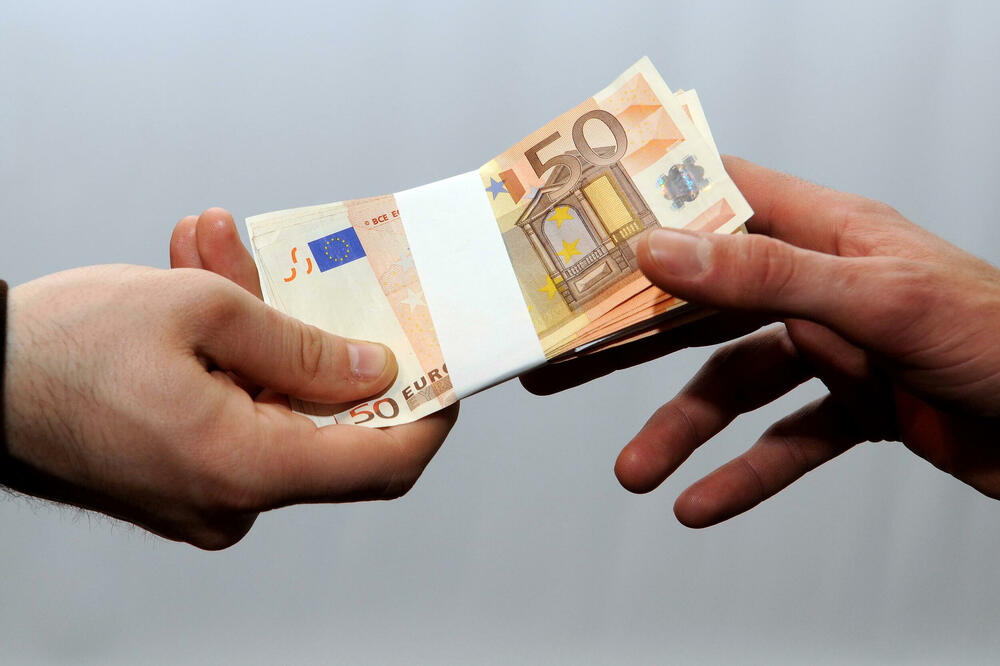
It is possible that the US pressure on the EU is a struggle for the “golden chip”: control over the €190 billion in frozen Russian assets held in the Belgian depository Euroclear.
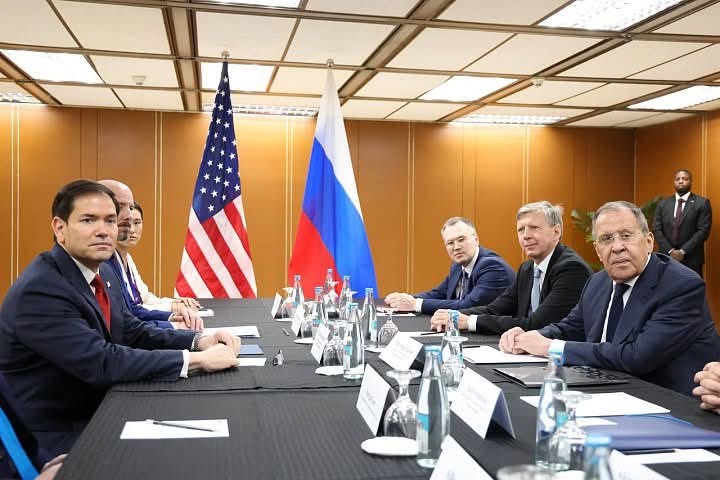
The initial draft of the so-called “Trump Peace Plan” (which in reality turned out to be Russian) contained a point according to which €100 billion of the frozen Russian assets were to be invested in US-led efforts to rebuild Ukraine. The US would receive 50% of the profits from these investments. Europe was proposed to add another €100 billion, and the remaining Russian assets would be invested in a joint US-Russian investment fund.
There is an important nuance here that is often overlooked. The fight is not simply about the money (physically, these Euros would likely still be spent on purchasing weapons from the American military-industrial complex—Lockheed Martin and Raytheon will get their share regardless). The struggle is over political control of the “Launch” button.
If the EU manages the money, Brussels spends it according to its own rules, saving face and maintaining its agency, and Trump loses his leverage.
If Trump manages it, these billions become his personal “golden chip” in negotiations with Putin. He can use them as a whip (arming Ukraine to the teeth without cost to the US budget) or as a carrot (returning part of the assets in exchange for concessions).
Regarding Russia’s position: this is not about a voluntary “desire to share” (that would be political suicide for the Kremlin). Rather, Moscow may view the loss of these funds as an inevitable payment (“hush money”) within the framework of a larger deal to lift key sanctions.
Belgium and the ECB’s ‘Stop Valve’
Belgium is the key element in this scheme. The country has found itself hostage to the situation, caught in a “perfect storm.” However, its stance is not solely based on fear of Russian lawsuits.
The European Central Bank (ECB) stands behind Belgium. The ECB acts as the main stop valve against outright confiscation, fearing that such a precedent would undermine confidence in the euro as a reserve currency. Trump understands this banking trap. Therefore, his tactic is to pressure the politicians of European countries, circumventing the bankers (ECB) and the bureaucrats (European Commission). He is essentially sending a signal to Belgium: “Don’t listen to Brussels and Frankfurt. Work with me. I will resolve the matter globally, and you won’t be left holding the bag.”
The Political Control of Russian Assets
The bottom line is this: if the EU now demonstrates political will and legally formalizes the transfer of the Russian assets themselves to Ukraine, the White House will lose its main bargaining chip. But while Brussels is wiping the “cake” off its face, Washington continues to raise the stakes.
Safes Holding Russian Assets
NEWSROOM IN notes that if data from the European Commission, G7 reports, and investigations (Reuters, Financial Times) from late 2024 to early 2025 are combined, the picture regarding sovereign assets of the Central Bank of Russia (CBR) (total “purse”: ~$280–300 billion (about €260–270 billion) looks like this:
European Union: The Main ‘Safe’ (~ €210 billion)
☛ Belgium (Euroclear): ~ €191 billion. This is the absolute record holder. The Euroclear depository is located here, where CBR securities and cash are “stuck.” This is where the main battle for control is taking place.
☛ France: ~ €19 billion. The second largest amount in the EU.
☛ Germany: ~ €210 million (the amount of CBR assets specifically is small, although billions in private assets are frozen).
☛ Other EU Countries: Amounts are significantly smaller (Austria, Ireland, and Luxembourg hold the remaining balances).
G7 Countries (Outside the EU) and Partners
☛ Switzerland: ~ 7.4 billion Swiss francs (about €7.7 billion). Additionally, many private funds are frozen there, but Bern is very reluctant to take any action regarding sovereign assets due to its neutral status.
☛ Japan: ~ $33 billion. Tokyo holds the second largest sum after the EU but remains quiet, following the G7 lead.
☛ United Kingdom: ~ £26 billion (about $31 billion). London was traditionally a financial hub, but sovereign assets there are less than might have been expected.
☛ United States: ~ $5–8 billion. Only about $5–8 billion are frozen in the US. This is why it is so easy for Washington to call for full confiscation—its financial system will barely be affected, while the main impact will fall upon the Eurozone and Belgium.