EU foreign ministers gathered in Ireland’s picturesque County Wicklow
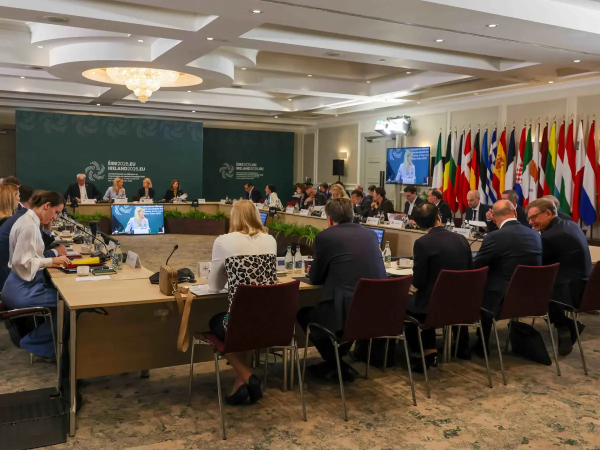
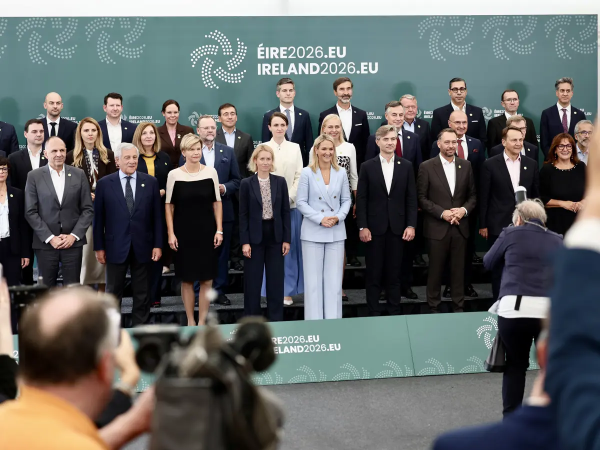
In County Wicklow, Ireland—amid emerald hills, heather moorlands, and a quietude more conducive to poetry than geopolitical clashes—what was perhaps the most acrimonious meeting of EU foreign ministers took place on September 1–2, 2026. However, the relaxed backdrop of the informal “Gymnich” format proved deceptive. Over tea and without ties, diplomats engaged in remarkably frank bargaining: ranging from the confiscation of €210 billion in Russian assets, 1,600 names in a new sanctions package, and the Leipzig drone sabotage to an audit of European military stockpiles.
The EU’s top diplomat, Kaja Kallas, proposed transferring to Ukraine all air defense missiles nearing expiration. While exact figures remain classified, defense analysts across multiple nations suggest substantial stockpiles that could offer critical support to the Ukrainian Armed Forces. The proposal was met with receptive interest. German Minister Johann Wadephul immediately hinted that several EU peers still have neglected, untouchable reserves gathering dust.
A Billion-Euro Duel, Ursula in the Wings, and Radical EEAS Reform
Yet European diplomats debated the overhaul of Kallas’s own agency—the European External Action Service (EEAS)—with far greater fervor than any munitions inventory audit.
France and Germany concluded that spending €1 billion annually on an agency with an inflated payroll is an unsustainable luxury. The Franco-German pairing proposed curtailing the powers of the EEAS, shifting core budgetary control and policy portfolios to European Commission directorates under Ursula von der Leyen, while leaving Kallas’s service with little more than modest oversight of peacekeeping missions.
Kaja Kallas fiercely defended her diplomatic apparatus, arguing that operating under layered oversight is untenable. Fending off the offensive, the Estonian politician turned the spotlight onto the veto power, branding the unanimity principle Europe’s primary institutional bottleneck. A majority of peers concurred that the rule currently hamstrings the bloc’s diplomatic mobility. (Just ahead of the meeting, 11 EU member states launched an initiative to replace unanimity with qualified majority voting).
A Decorative “Council of Elders”
Appointed by Kallas as EEAS Secretary-General, former Dutch Defense Minister Kajsa Ollongren (who took office just prior to the summit on September 1, 2026) floated a gentler alternative to safeguard the diplomatic service: establishing a “Council of Elders.” In her vision, the body would engage in “deep reflection on institutional reforms” free from the direct sway of key European capitals. According to Table.Briefings, it could comprise former political and military dignitaries, including figures from Ukraine and the United Kingdom. These “elders” would answer directly to EEAS leadership—namely Kallas and Ollongren.
Sources familiar with European Commission discussions told NEWSROOM IN that the reaction among most European diplomats and EU officials was deeply skeptical, and behind closed doors, overtly sarcastic.
Internal Crisis in the Diplomatic Machine
NEWSROOM IN notes: Abandoning the unanimity requirement is not a novel concept, yet smaller member states remain wary of surrendering their primary safeguard against larger powers. A paradoxical legal hurdle also looms: transitioning to a qualified majority voting system itself demands the unanimous consent of every single EU member. Proponents of reform are pressing their colleagues, acutely aware that shifting political currents in key member states could swiftly slam the window of opportunity shut.
Compounding the friction, several member states have repeatedly voiced discontent regarding Kaja Kallas herself. She faces recurrent criticism for overly hawkish rhetoric and pursuing an independent agenda that frequently diverges from the collective stance of the bloc’s member states.
EU leaders are slated to resume their delicate turf battle over authority at the upcoming October summit.