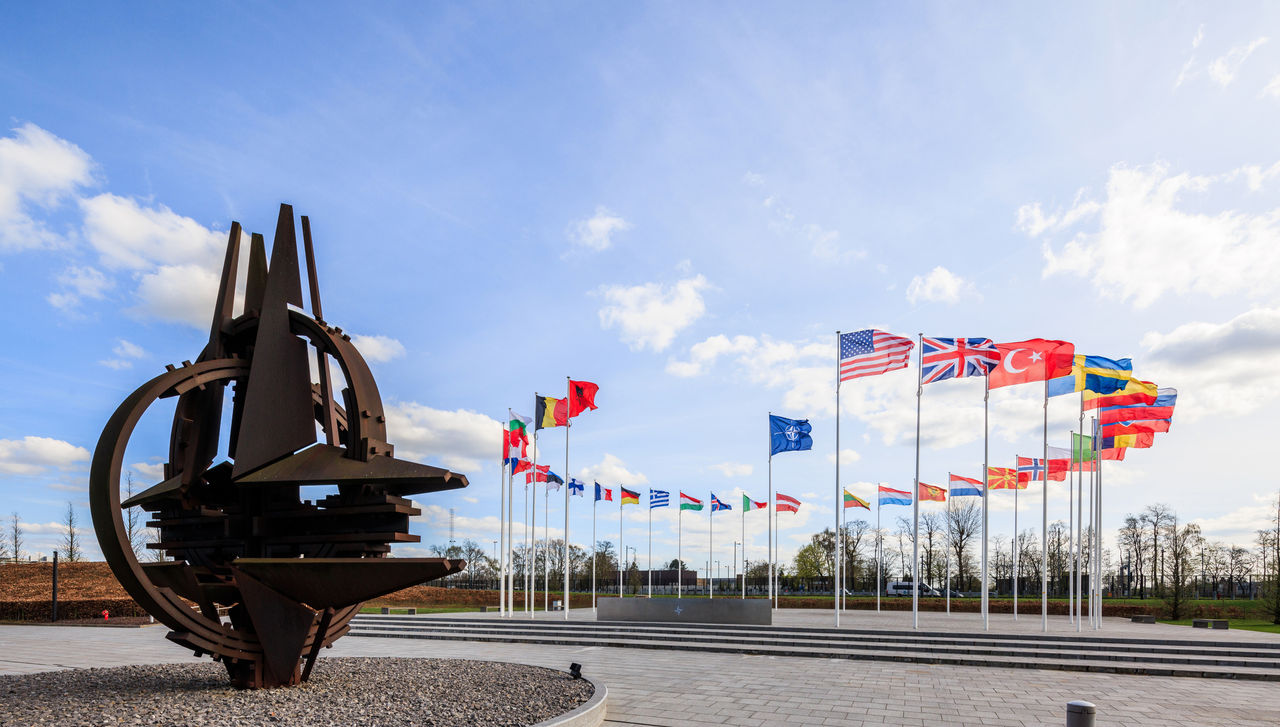
“Without the U.S., NATO is a paper tiger! They didn’t want to join the fight to stop a nuclear Iran. Cowards—we will remember this!” — Today’s emotional outburst from Donald Trump on social media serves as a stark illustration of the deepening divide between Washington and Europe.
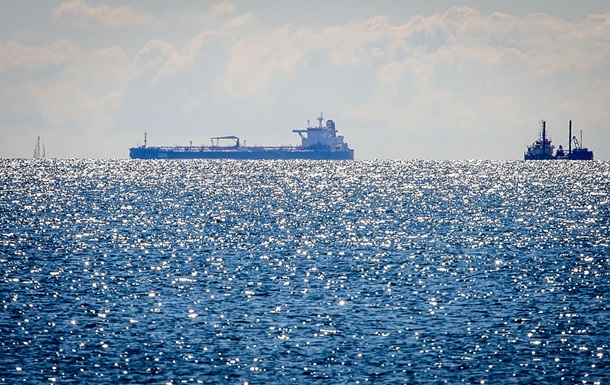
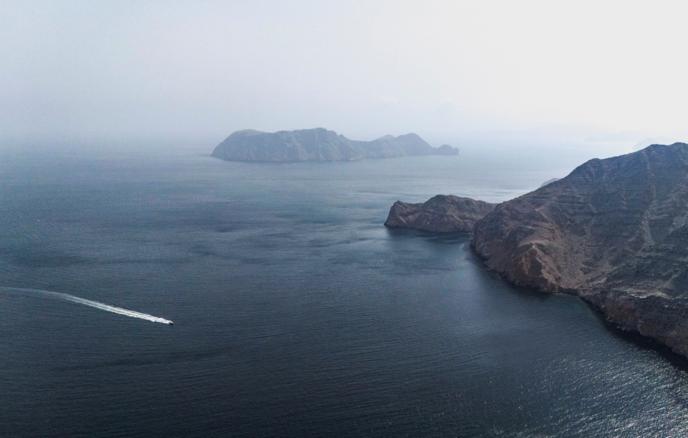
The U.S. President is enraged. He claims that while America is winning the war militarily, Europeans are doing nothing but complaining about high oil prices. Simultaneously, they are refusing to help Washington unblock the Strait of Hormuz—a maneuver Trump describes as “simple” and “low-risk.” The level of resentment is so high that the U.S. President has again openly discussed reviewing American membership in the North Atlantic Alliance. Notably, only recently he confidently asserted that America did not need any help from allies in the Middle East.
How did Europe come to so blatantly ignore the calls of its primary partner, who launched a full-scale war without consulting them? This “cold shower” for Washington is driven by strictly pragmatic reasons.
An Economic Noose and Brussels’ Concern
For Europe, engaging in a full-scale war in the Middle East today would be economic suicide. European nations are already carrying a massive burden of aid to Ukraine, while a potential military conflict with Russia looms on the horizon, according to European intelligence and military analysts. Taking on another front would mean tightening a financial noose around their own necks.
However, Europe cannot simply ignore the situation. Against the backdrop of the Middle Eastern conflict and the closure of the Strait of Hormuz, energy prices are rising rapidly. State leaders must demonstrate real action to protect their economies to their voters. Sitting in comfortable offices, habitually discussing new sanction packages and expressing routine “deep concern,” is no longer an option.
NATO Legal Deadlock and a General Secretary in Hiding
The NATO Charter itself provides European leaders with an elegant escape from direct participation in the war. Article 5 on collective defense only applies in the event of an attack on the territory of alliance members in the North Atlantic region. The EU views preemptive strikes on Iran as a private initiative of the U.S. and Israel, which Europe is not legally obligated to join. Friedrich Merz expressed the common position of Berlin and Paris in a single phrase: “This is not our war.”
This is why NATO Secretary General Mark Rutte has practically gone underground. Known for his diplomatic maneuvering, he is avoiding public statements to avoid being crushed between a Washington demanding support and a Europe flatly refusing to fight.
The Toxicity of the Topic and Old Grudges
Old scars have become the most painful part of this story. The subject of aiding the U.S. has become politically toxic in Europe, most notably in the UK. British military personnel and the families of fallen soldiers were infuriated by recent statements from U.S. Vice President J.D. Vance. Last March, he made highly disrespectful comments regarding the peacekeeping forces of the UK and France. In an interview with Fox News, Vance referred to them as “20,000 troops from some random country that hasn’t fought a war in 30 or 40 years.”
In response, British Conservative MP James Cartlidge reminded Vance that Article 5 of the NATO Charter—which states that if one member is attacked, all others will come to its aid—has been invoked only once: at the request of the U.S. after September 11.
“The UK and France came to the rescue, sending their troops to Afghanistan, including my brother and numerous parliamentary colleagues, past and present. To ignore such service and sacrifice is extremely disrespectful,” he stated.
British, Canadian, and European troops spent years shedding blood in Iraq and Afghanistan in conflicts initiated by Washington. Now, they are entirely unwilling to send their soldiers to extinguish a new fire at the call of politicians who label them freeloaders and cowards.
The Grand Bargain: Iran for Ukraine
Instead of falling into line, Europe has decided to engage Washington in a tough geopolitical transaction. This plan was openly articulated by Finnish President Alexander Stubb. The essence of the deal is cynical but clear: the allies are prepared to provide the U.S. with limited assistance in the Middle East (logistics, use of European bases, and protection of their own merchant vessels), but in return, they demand Washington’s full involvement in the Ukraine issue. Europe wants to trade its logistical services in the Middle East for U.S. help in ending the war in Ukraine on terms acceptable to the EU.
“Remote” Assistance: Who Is Actually Deploying?
Calling the Europeans a “paper tiger” would be inaccurate. While the alliance remains silent as a single entity, individual countries have begun moving forces, though strictly to the periphery of the conflict and solely to protect freedom of navigation, rather than to overthrow the regime in Tehran.
France took the lead, sending an aircraft carrier and frigates to the Strait of Hormuz. It also granted the U.S. temporary use of its military bases in the Middle East and, for the first time, allowed U.S. strategic bombers through its airspace. Ships from the Netherlands, Greece, and Britain are joining (London is already developing a plan with the U.S. to unblock the strait). Italy, Spain, and Portugal have moved assets to Cyprus to intercept Iranian drones. Notably, military experts from Ukraine have also arrived in the region to assist in countering “Shahed” drones.
However, Europe is strictly observing “red lines”: Spain, for instance, has forbidden the Americans from using its military bases for direct strikes on Iran. Meanwhile, the EU’s eastern flank has chosen to stay on the sidelines for now, stating that their primary threat lies on the borders with Russia. While politicians in Lithuania and Estonia are discussing the possibility of assistance, there is no consensus. Furthermore, their capacity to send ships is limited. As former Estonian Navy Commander Jüri Saska commented to ERR: “I can bet my life that we certainly won’t be able to manage this in the next two years. There are very clear technical limitations. Today, these are fully operational minehunters, but sending them to that region would require a colossal volume of modifications.”
Outlook: Will the Ultimatum Work?
We have already seen Donald Trump’s initial reaction to Europe’s attempt to bargain—today’s angry post with threats of withdrawing from NATO. Trump reflexively dislikes it when allies attempt to dictate terms to him.
But cold calculation will likely follow the emotional outcry. Trump is a businessman who respects the language of power and deals. Behind the scenes at the White House, there is a clear understanding: without European infrastructure, intelligence, and diplomatic cover, maintaining long-term control over the Middle East will be extremely difficult. It is highly probable that after venting on social media, Trump will accept this trade. He may agree to increase pressure on Russia regarding its war against Ukraine in exchange for necessary help in the Strait of Hormuz, then tell his voters he secured the “greatest deal in history” by making the “paper tiger” work for American interests again.