A major international scandal, dubbed DiplomacyLeak, has exposed the shadowy backroom dealings of geopolitics. Thanks to leaked audio recordings and insider information from Bloomberg, The Guardian, and WSJ, it has come to light that the widely discussed 28-point “Trump peace plan” was, in fact, drafted in Moscow, translated via an online translator, and then presented to Trump’s team with the intention of passing it off as an American initiative.
DiplomacyLeak Exposes Operation “By Proxy”: October 29 Conversation Recorded
Leaked recordings of conversations between high-ranking Russian officials, obtained by Bloomberg, reveal the Kremlin’s cynical scheme. On October 29, Putin’s aide Yuri Ushakov and the head of the Russian Direct Investment Fund (RDIF), Kirill Dmitriev, discussed how to deliver a Russian draft agreement to Washington in a way that would make the world believe it originated in the United States.
A key link in this chain was Steve Witkoff—a long-time friend and special envoy of Donald Trump.
Dmitriev insisted on an “informal” handover, hoping that the Americans would present the document as their own creation, preserving the text “word for word.” However, distrust permeated the Kremlin. Yuri Ushakov expressed concerns that Witkoff might distort the document’s essence and then claim the revisions were agreed upon with Moscow.
Kirill Dmitriev’s statement: “It seems to me that this document, we will simply frame it as our position, and I will just informally hand it over directly, saying it’s all informal. And let them present it as their own. But I think they won’t take our exact version, but at least something as close as possible.”
Yuri Ushakov’s statement: “Well, that’s exactly the point, they might not take it, but then claim it was agreed upon with us. That’s what I’m afraid of… They might then twist it, and that’s it. Well, there’s such a danger.”
Miami, Halloween, and the “Kremlin Insider”
The Wall Street Journal reported that work on the plan began in mid-October, shortly after Trump instructed his team to replicate the success of the “Gaza deal” but for the Ukrainian track. Trump’s son-in-law, Jared Kushner, and Steve Witkoff took on the task.
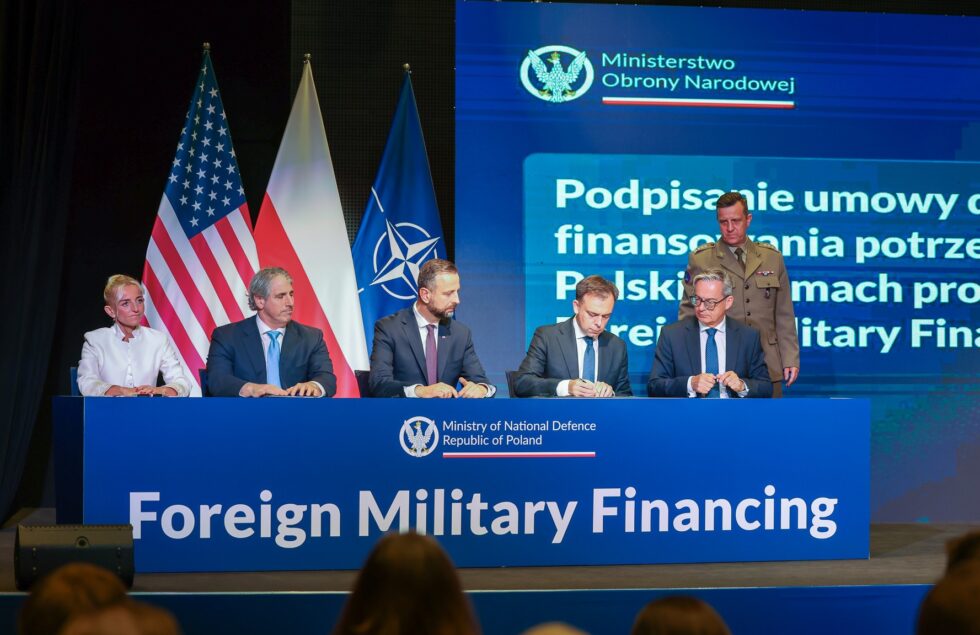
However, the actual content of the plan only emerged after Kirill Dmitriev’s visit to Miami. Over the weekend before Halloween, Putin’s representative spent three days with Kushner and Witkoff. It was Dmitriev who brought the “most concrete ideas” that formed the basis of the final 28-point document: Ukraine’s refusal to join NATO, the withdrawal of Ukrainian Armed Forces from territories claimed by Russia, and the reduction of the Ukrainian army to a minimum.
Later, in mid-November, Ukrainian Defense Minister Rustem Umerov was invited to Miami. He directly told the authors that the plan benefited Russia more than Ukraine. President Zelenskyy, after reviewing the document on November 16, diplomatically noted that it “still needed work.”
“Lost in Translation”: Google Translate and Linguistic Expertise
The attempt to pass off the Russian text as American failed not only due to leaks but also due to sheer laziness. The American side, upon receiving the document from Dmitriev, likely didn’t even bother with a professional translation.
Linguistic analysis conducted by The Guardian revealed clear traces of the Russian language in the English text of the “peace plan”:
☛ An abundance of passive constructions, characteristic of Russian bureaucratic style (“a decision was made” instead of “we decided”).
☛ Russicisms and phrases unnatural to native English speakers.
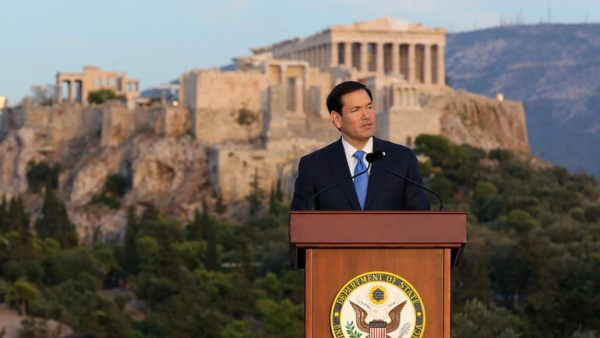
This confirmed suspicions: the so-called “Trump plan” was written in Moscow and translated literally. Furthermore, Secretary of State Marco Rubio, in a private conversation with senators, reportedly referred to the plan as a “Russian proposal,” although he later hastily asserted on social media that the document was developed by the U.S.
Instructions for Putin: “Praise the Boss for Gaza”
The most shocking element of the investigation was Steve Witkoff’s role. A recording of a conversation from October 14 shows that the U.S. President’s special envoy effectively advised the Kremlin on how best to manipulate Trump.
Aware of Volodymyr Zelenskyy’s upcoming visit to the White House, Witkoff advised Ushakov to arrange a call between Putin and Trump before the meeting with the Ukrainian president to seize the initiative. Witkoff gave the Kremlin the following advice: “Zelenskyy will come to the White House on Friday… I think that, if possible, we should talk to your boss before that Friday meeting.”
He also provided specific instructions: Putin should congratulate Trump on the Gaza peace agreement and express respect for him as a “man of peace.” “Then it will be a really good call,” the American concluded. The advice worked: Putin and Trump spoke on October 16, after which Trump’s rhetoric softened, and he expressed a desire to meet with Putin in Budapest.