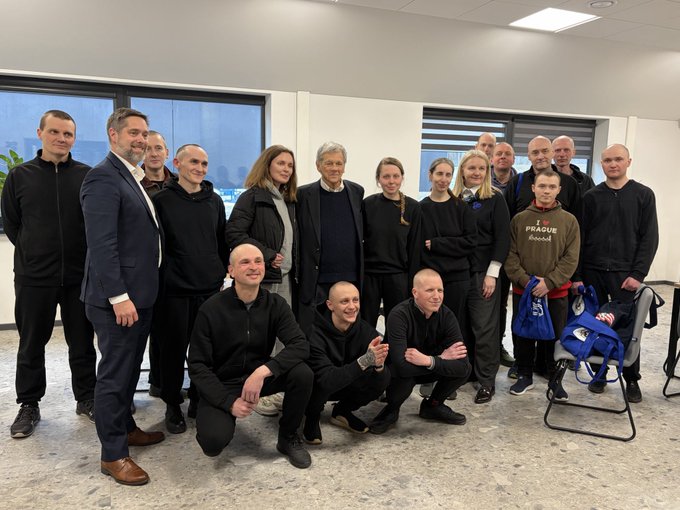
A U.S. delegation’s visit to Minsk on March 19 resulted in an unprecedented diplomatic deal involving Belarus sanctions. Following a meeting between U.S. Special Representative John Coale and Alexander Lukashenko, the United States announced a significant easing of restrictions against the Belarusian financial and industrial sectors. In exchange, the Belarusian government released 250 political prisoners, some of whom have already arrived in Lithuania.
“Today’s release of 250 people is a major milestone in the humanitarian sphere and demonstrates the President’s commitment to direct, tough diplomacy. Freedom is our goal. We express our deepest gratitude to our Lithuanian partners for their key role in this mission,” Coale wrote.
Economic Terms: Belarus Sanctions and Finance
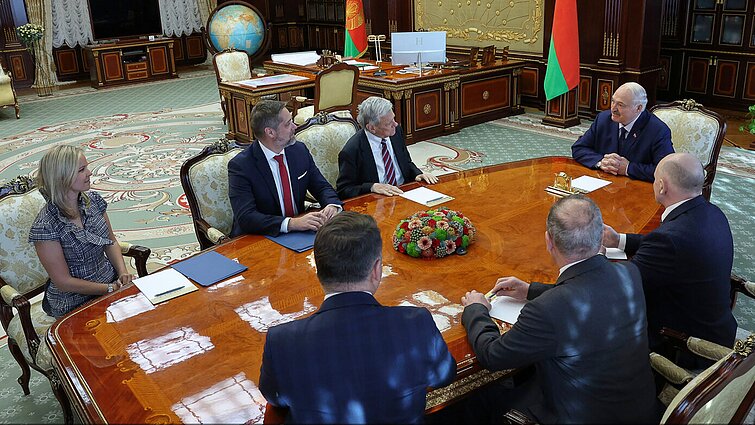
Statements by John Coale at a press conference in Minsk signaled a radical revision of U.S. sanctions policy toward Belarus. The special envoy confirmed that the decision was coordinated in advance with the U.S. Treasury Department and will take effect shortly. The U.S. is removing restrictions from key sectors of the Belarusian economy:
- Industrial Sector: Sanctions are being lifted from the world’s leading fertilizer producers, Belaruskali and the Belarusian Potash Company (BPC).
- Financial Sector: Restrictions will be removed from the Ministry of Finance of Belarus, the Development Bank of Belarus, and Belinvestbank.
Unblocking the potash industry is a major economic victory for Minsk, as it allows the country to return to the global fertilizer market.
Humanitarian Terms: Release of Political Prisoners
The price for lifting the economic blockade was the release of detainees. Immediately following the negotiations between Coale and Lukashenko, groups of political prisoners began leaving Belarusian prisons. Siarghei Tsikhanouski, a Belarusian opposition figure and former political prisoner who was also freed through Coale’s mediation, had previously indicated that this step was being prepared.
According to Belsat TV, 15 to 20 of those released have already left Minsk and are currently in Vilnius. The remaining individuals may be permitted to stay in Belarus.
Those released include Belsat journalist Katsiaryna Andreyeva, human rights activist Nastasya Loika, and blogger Eduard Palchys. The list also includes Kirill Kazey, Dmitry Kubarev, Alexander Kozlyanko, Nikolay Kuleshov, Sergey Movshuk, Nikita Zolotarev, Kim Samusenko, Pavel Shpetny, and Denis Zhelezko. The list is currently being updated.
Pragmatism of the Trump Administration
The March deal is the culmination of a private negotiation process that began in the summer of 2025. The Donald Trump administration has prioritized a pragmatic approach and direct contact with Lukashenko, moving away from a policy of total isolation.
This “sanctions-for-people” strategy has already yielded results. In recent months, more than 100 political prisoners have been released as pressure eased. The current removal of sanctions from Belaruskali shows that Washington is prepared to make radical economic compromises to achieve humanitarian goals and shift the regional geopolitical balance.