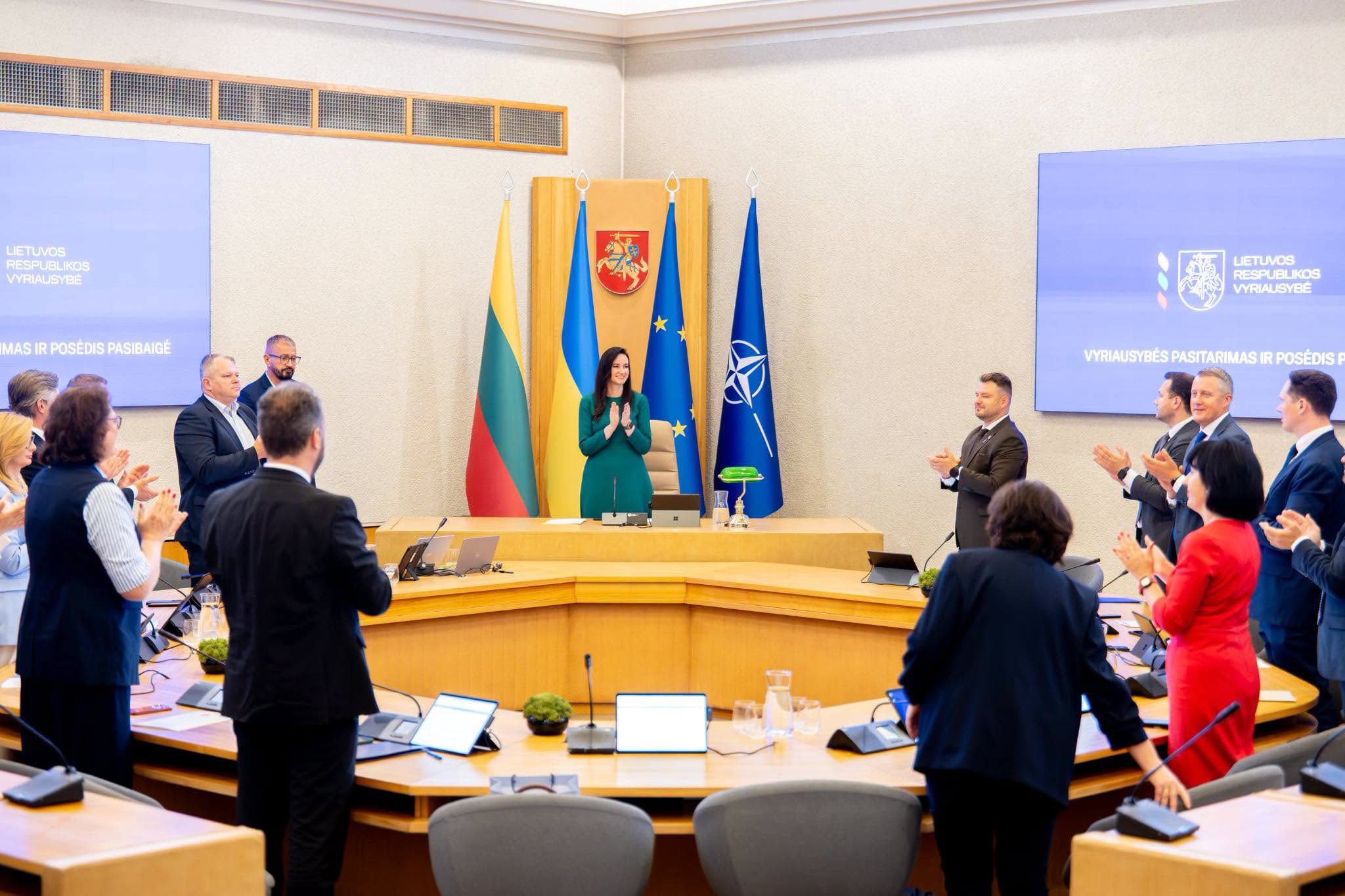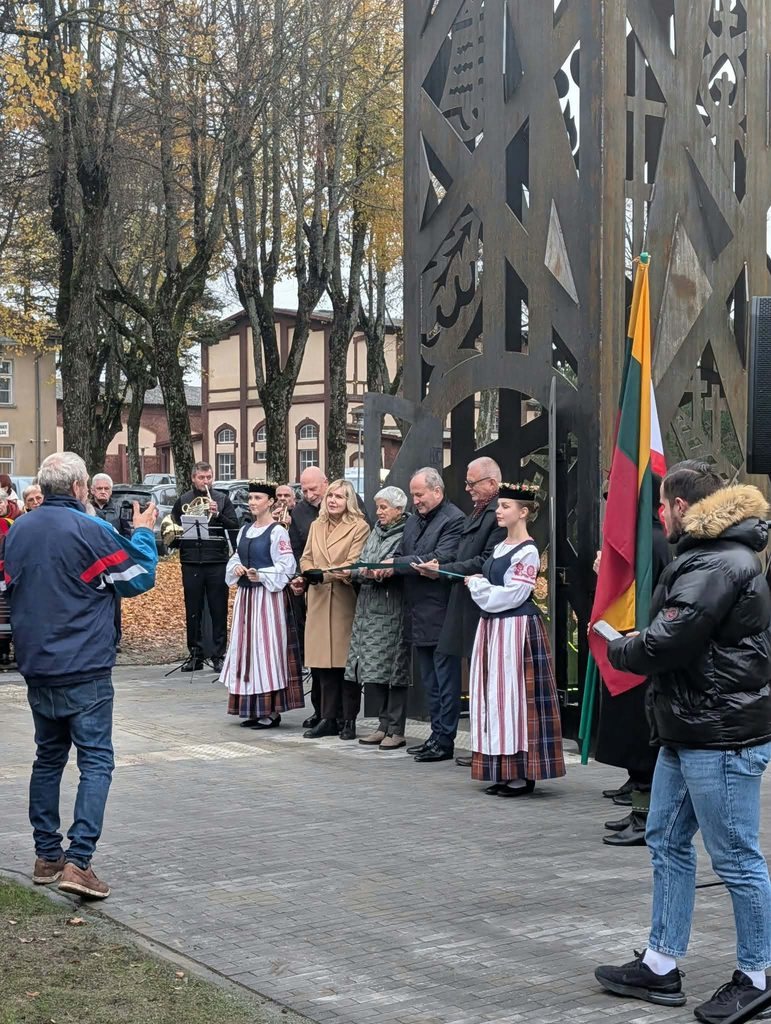
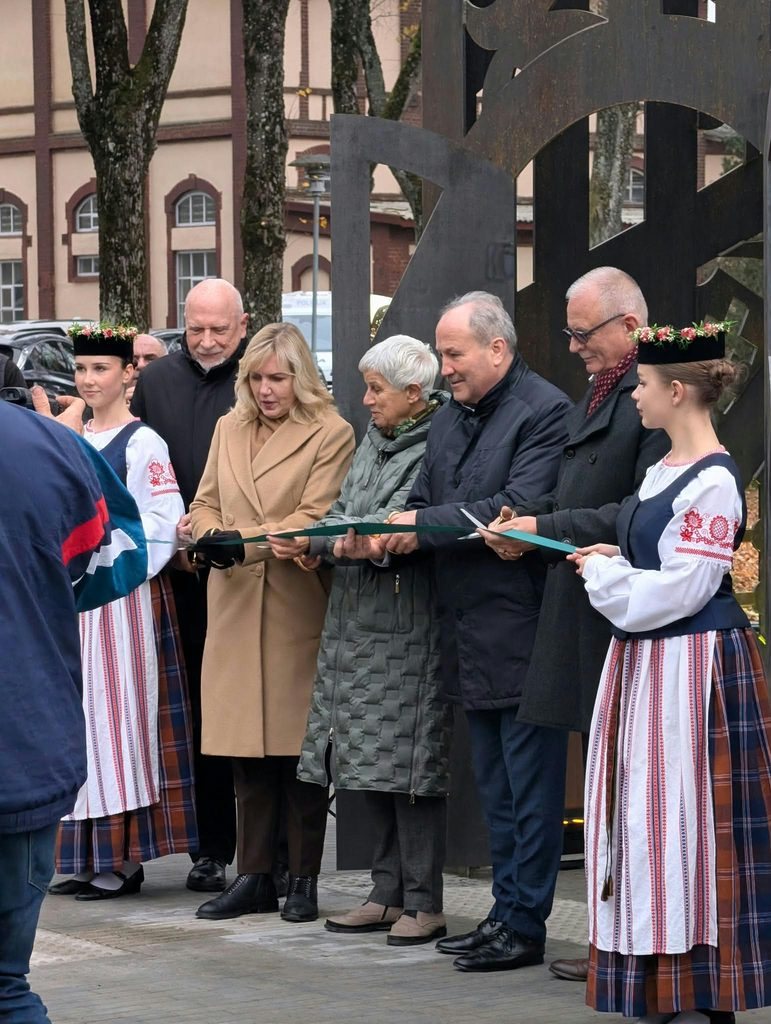
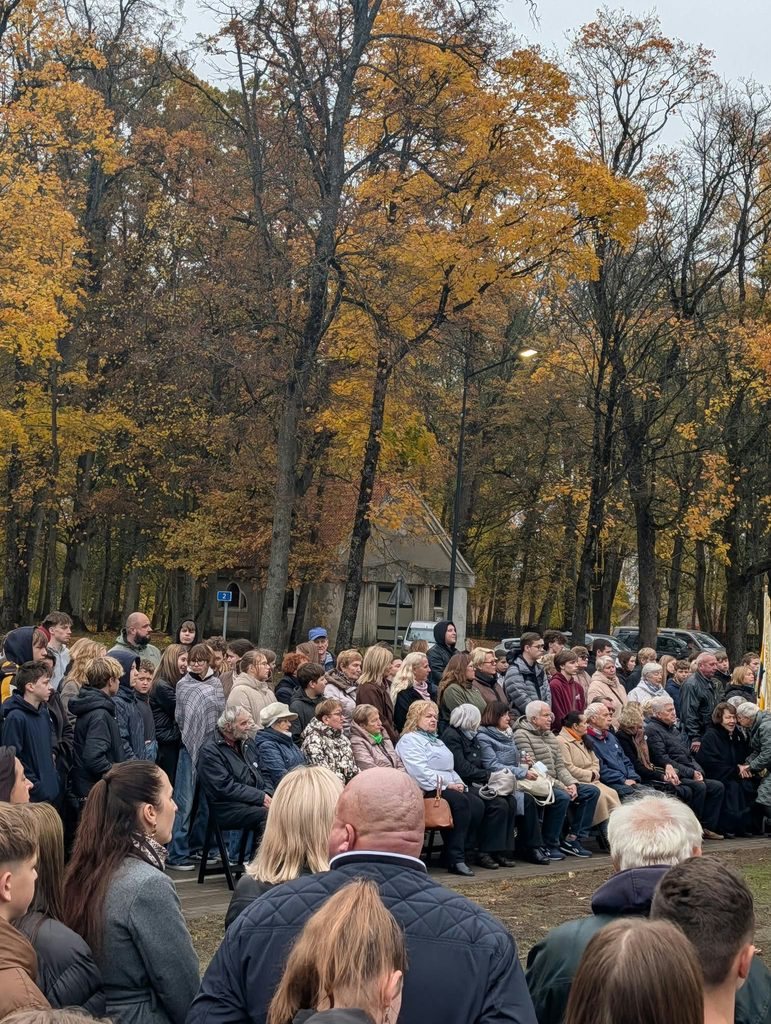
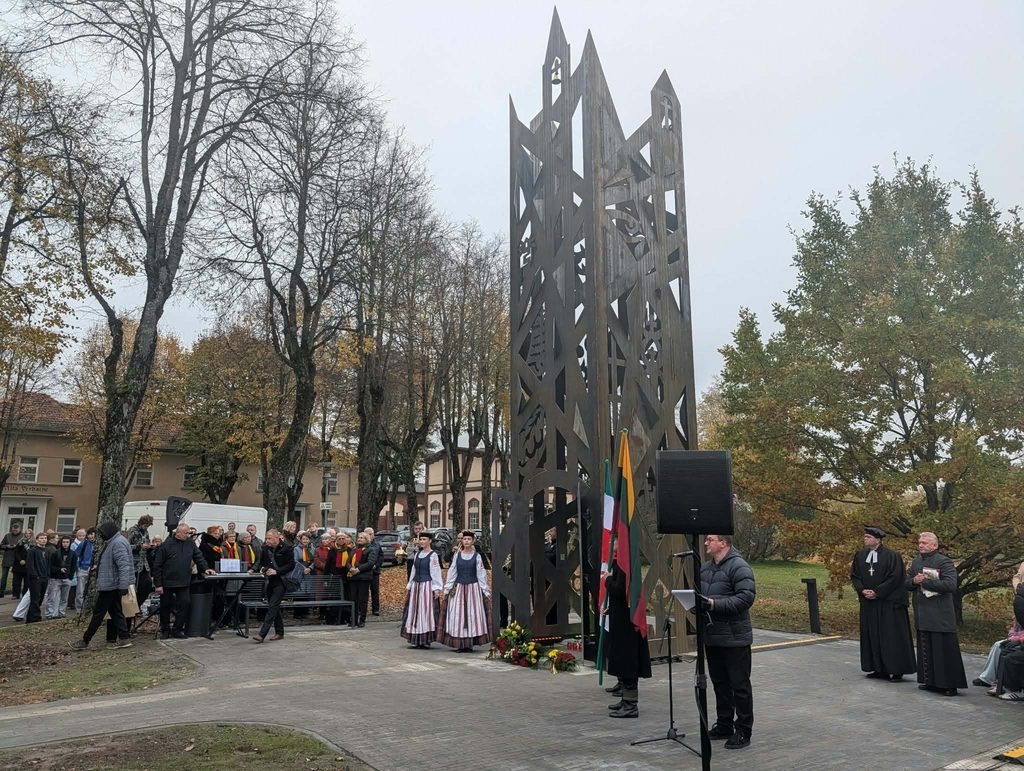
An official opening and consecration ceremony was held in the Lithuanian town of Šilutė on October 29, 2026, for a new memorial to deportees and political prisoners, commemorating the dramatic mid-twentieth-century history of Lithuania Minor.
The memorial site was established in a public square near the railway crossing, adjacent to Tilžės Street 24 (Tilžės g. 24). The location holds direct historical significance: from this railway station, deportees were loaded into freight cars and sent to the eastern Soviet Union during Soviet repressions. Additionally, just two kilometers from Šilutė, in the village of Macikai, sat one of the largest and harshest camp complexes in Eastern European history. It is the only site in Lithuania where concentration camps of two totalitarian regimes—Nazi and Soviet—operated consecutively.
Four Corten Steel Facets and 24 Symbols of Remembrance
The monument is a tall four-sided stele crafted from Corten steel. Over time, the material forms a dense patina, symbolizing endurance, resilience, and the passage of time.
Carved into the facets and reliefs of the monument are 24 historical and sacred symbols reflecting the region’s multiethnic and multifaith history: a bird symbolizing the tragic fate of East Prussia’s “wolf children,” the Star of David commemorating the local Jewish community, the Lutheran rooster representing the revival of faith among local Memellanders, train tracks carrying deportee echelons, partisan swords of resistance, barbed wire, and the symbols of the Sąjūdis national movement.
Each of the four faces tells the story of the faiths and peoples who lived in the region prior to the catastrophes of the mid-twentieth century.
The Scale of Deportations and Regional Specifics
Public records contain no separate, precise statistics on the number of people deported specifically from within the town limits of Šilutė. Before the Red Army arrived in October 1944, nearly the entire population had fled, leaving only seven people in the town.
Soviet records were typically kept for the entire Šilutė district or the broader region. During the waves of repression in 1941 and from 1945 to 1953, thousands of residents were forcibly deported from the district and surrounding border villages.
The tragedy in Šilutė was multilayered. Alongside ethnic Lithuanians, repressions and deportations affected the native German-speaking population (Memellanders) and German war orphans. Across Lithuania, more than 130,000 people—roughly 4.5% of the country’s population—were deported during Soviet rule, while another 150,000 residents passed through the Gulag camp system as political prisoners.
Lithuania Minor and the Interwar History of Šilutė
NEWSROOM IN notes: The historic German name of the town is Heydekrug. Šilutė—and the surrounding territory of Lithuania Minor, known as the Klaipėda Region—was part of Prussia for more than 400 years before joining independent Lithuania following the Klaipėda Revolt in January 1923. Just meters from the new memorial stands the historic building where, on January 19, 1923, the Seimas met and adopted the Declaration on the accession of Lithuania Minor to Lithuania as an autonomous territory.
The region was defined by a distinct Protestant culture and bilingualism. Following the Molotov-Ribbentrop Pact, the Soviet annexation of Lithuania in 1940, and the end of World War II, the area underwent a near-complete demographic replacement due to large-scale evacuations and postwar deportations.