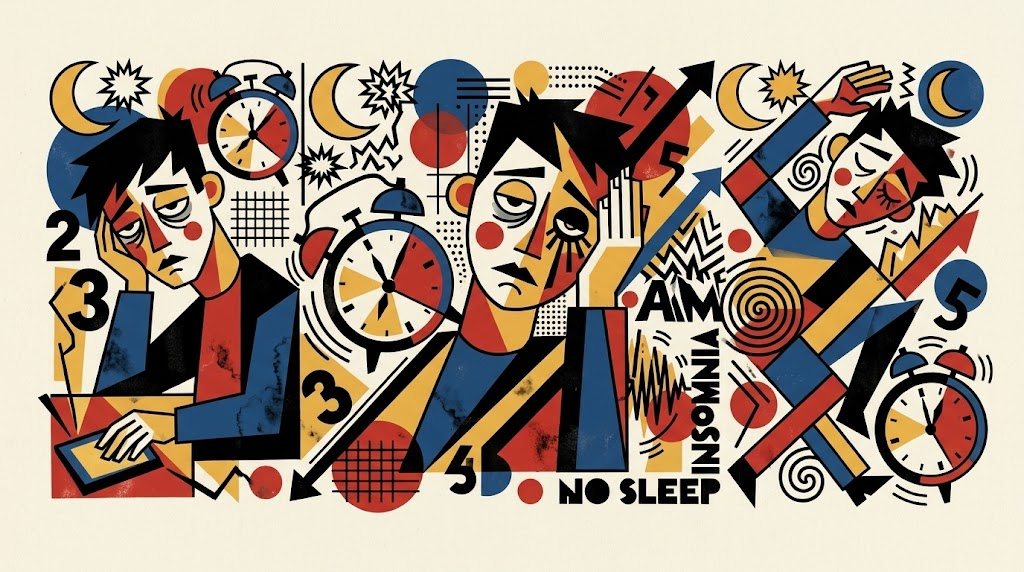
Vilnius City Municipality and its public health bureau, Vilnius sveikiau, have launched an information campaign dubbed Miegucci to address teen sleep deprivation. The initiative aims to convince young people that getting enough sleep is a modern status symbol reflecting personal achievement and well-being. To spread the message, municipal authorities arranged for popular bloggers and opinion leaders to visit 75 schools across the city. Officials hope that influencers speaking to teenagers in youth slang will make eight hours of sleep a natural part of youth culture. Yet attempts to turn sleep into a trendy brand clash with the daily pressures and workloads students face.
Teen Sleep Deprivation: Planet Youth Data
The campaign follows findings from a large-scale survey conducted by the international Planet Youth program, which the municipal administration oversees as part of its adoption of the Icelandic prevention model. The survey revealed widespread sleep deprivation: only one-third of teenagers in the Lithuanian capital sleep the recommended eight or more hours. Among 15- to 16-year-old boys, 57% suffer from a sleep deficit, while among 16-year-old girls, sleep deprivation reaches 73%. The study directly links chronic fatigue to emotional burnout. Fewer than half of high school students in Vilnius currently assess their mental health as good or very good, and physiological exhaustion routinely drives teenagers toward energy drinks and psychoactive substances.
Teens Do Not Stay Awake by Choice
Attempting to resolve chronic sleep deprivation through influencer visits resembles treating a complex bone fracture with a colorful sticker. The campaign promotes the message that “sleeping is cool, start getting enough rest,” as though teenagers stay up late out of defiance. In reality, students are caught between extensive homework, exam pressures, digital screens, and morning classes that begin at 8:00 a.m.
No influencer can alter biology: adolescent circadian rhythms shift during puberty, delaying melatonin release until around midnight. When students must wake up at 6:30 a.m., they are biologically unable to get adequate rest. Sleep specialists and forward-thinking schools in the United States and several European Union countries have long pointed to later school start times as an evidence-based solution. However, implementing later start times requires reorganizing transit schedules and parents’ work routines. Officials have chosen the path of least resistance instead: distributing posters and merchandise, effectively shifting responsibility for a systemic educational issue onto children.
The Limits of Municipal Outreach
The Planet Youth program, also known as the Icelandic Prevention Model, is an international initiative designed to reduce youth substance abuse, including alcohol, tobacco, and drugs. In Iceland, where the framework originated, large-scale surveys of students were not used to roll out promotional posters. Research data led to sweeping government measures. Authorities gave every teenager funding vouchers for sports clubs and arts programs, introduced an evening curfew for minors, and organized parent street patrols. Sports and offline activities deliberately replaced alcohol and late-night screen time. The model proved effective in Iceland, an isolated country of roughly 350,000 to 400,000 residents with high levels of community trust.
In Vilnius, public relations campaigns have taken the place of systemic change. The municipality has not disclosed the cost of the Miegucci campaign, and the value of its contract with creative agency Autoriai remains undisclosed. The project is funded by EU grants under the “Improving Public Health Services in Vilnius” program (Project No. 20-505-P-0001).
Without changes to school start times and regulated academic workloads, spending European grants on influencer lectures risks producing little beyond an administrative report.
The name Miegucci appears to be a portmanteau: miegoti (or miegas) is Lithuanian for “to sleep” (or “sleep”), paired with Gucci, the Italian luxury fashion house.
NEWSROOM IN notes that in July of last year, researchers from Italy and Germany who analyzed grades from 100,000 oral exams taken by Italian students concluded that the best window for exam success is between 11:00 a.m. and 1:00 p.m. Students scored significantly higher in the late morning than in the early morning or afternoon. Researchers suggest this pattern may extend beyond academics to job interviews and other performance evaluations.