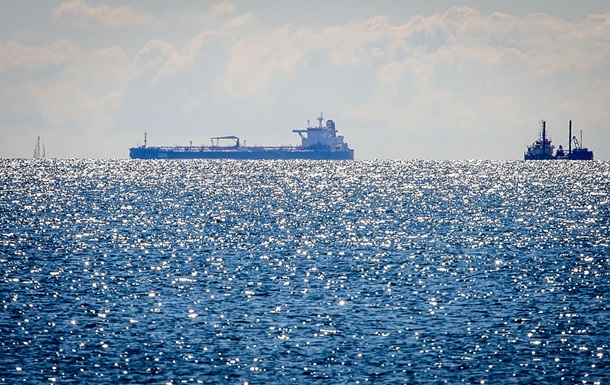
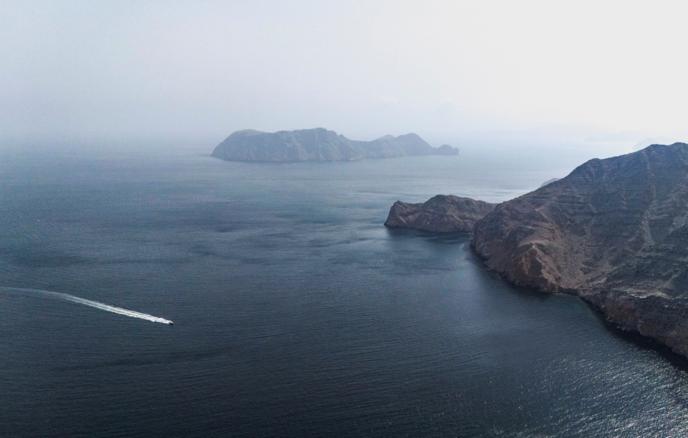
U.S. President Donald Trump has called on NATO allies and China to help secure maritime shipping in the Strait of Hormuz, warning that a refusal to cooperate could jeopardize the future of the alliance. Speaking in an interview with the Financial Times, Trump stated that European partners must join Washington’s efforts to protect the vital waterway. He further indicated that his visit to Beijing, scheduled for late March, could be postponed if China fails to provide support. The U.S. position is based on the argument that Europe and China are the primary beneficiaries of Persian Gulf oil, while the United States is virtually energy independent.
Strait of Hormuz: Washington’s Security Conditions
The U.S. administration recently announced a new security framework for the Strait of Hormuz, emphasizing that resource-importing nations should bear the primary burden of protecting transit routes. In his latest interview, Trump clarified his expectations for NATO cooperation, stressing that the alliance must operate on the principle of mutual support. He is calling for:
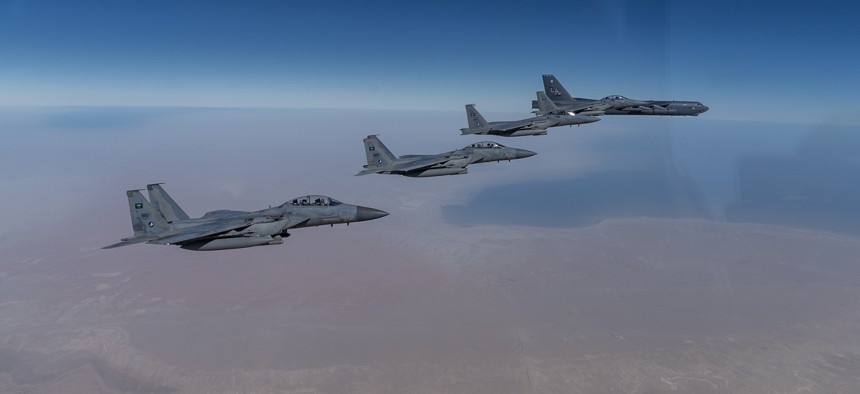
- Military Presence. Washington expects Europe to deploy minesweepers—noting that the EU has more of these vessels than the U.S.—as well as special forces units to counter Iranian drones and sea mines along the coast.
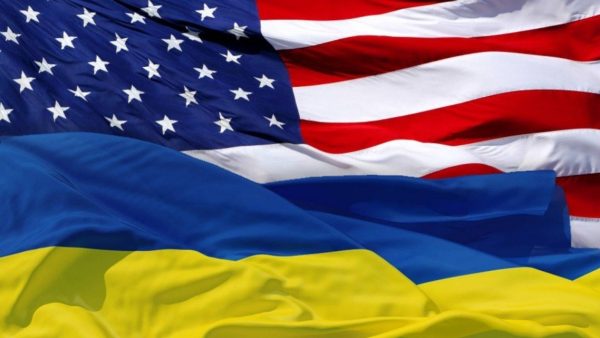
- The Principle of Reciprocity. The President drew a direct parallel to the war in Ukraine. He noted that Washington provided massive aid to Kyiv despite the geographic distance and now expects similar support from Europe in the Middle East.
- A Deadline for China. A decision regarding Beijing’s participation is expected in the coming weeks, before the President’s scheduled visit to the country.
Risk Assessment and Intelligence Sharing
Regarding potential risks to coalition forces, Donald Trump claimed the threat is minimal because Iran’s military potential has been significantly weakened by recent U.S. actions. However, European nations have already suffered casualties in the region; a French soldier was recently killed by a drone strike in Iraq, and an Italian aircraft was destroyed at a base in Kuwait.
The interview also addressed reports that Russia is providing intelligence to Iran to help counter American and Israeli air defenses. Trump refrained from direct criticism of Moscow, pointing to similar U.S. actions. He explained that it is difficult for Washington to complain about Russia when the United States has provided comparable assistance and equipment to Ukraine.
The EU Position: Maintaining Focus on Ukraine
European diplomats have responded by calling for a consolidated approach. EU foreign policy chief Kaja Kallas, speaking ahead of an EU Foreign Affairs Council meeting in Brussels today, acknowledged that ensuring freedom of navigation in the Strait of Hormuz is in Europe’s economic interest. However, she emphasized that the Middle East crisis must not divert resources or attention away from supporting Ukraine. Kallas described the recent loosening of American sanctions on Russian oil as a “dangerous precedent,” noting that it provides Moscow with additional financial resources.
She added that European institutions are continuing consultations with their American counterparts to determine how the EU might participate in securing the Middle East region.
China’s Response
Chinese Foreign Ministry spokesperson Lin Jian did not give a direct answer to the U.S. President’s request for assistance in guarding ships in the Strait of Hormuz. Instead, he stated that China is “in constant contact with all parties” regarding the situation in the Middle East and is “closely monitoring developments.” He called for an end to hostilities and confirmed that, despite Trump’s suggestion of postponing his visit, both sides “remain in communication.”