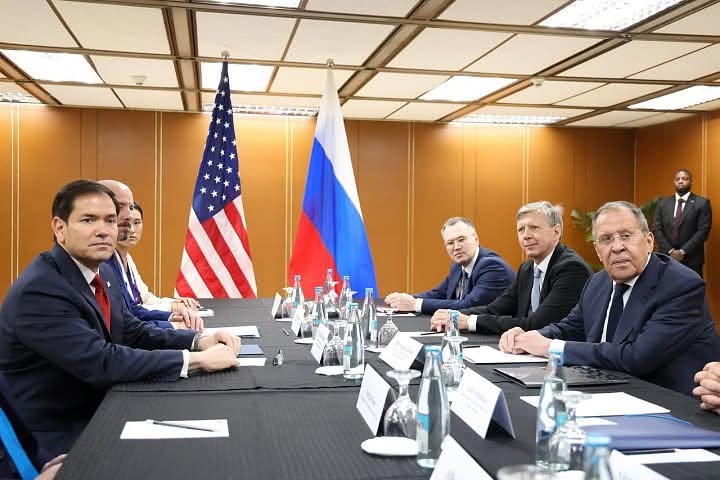
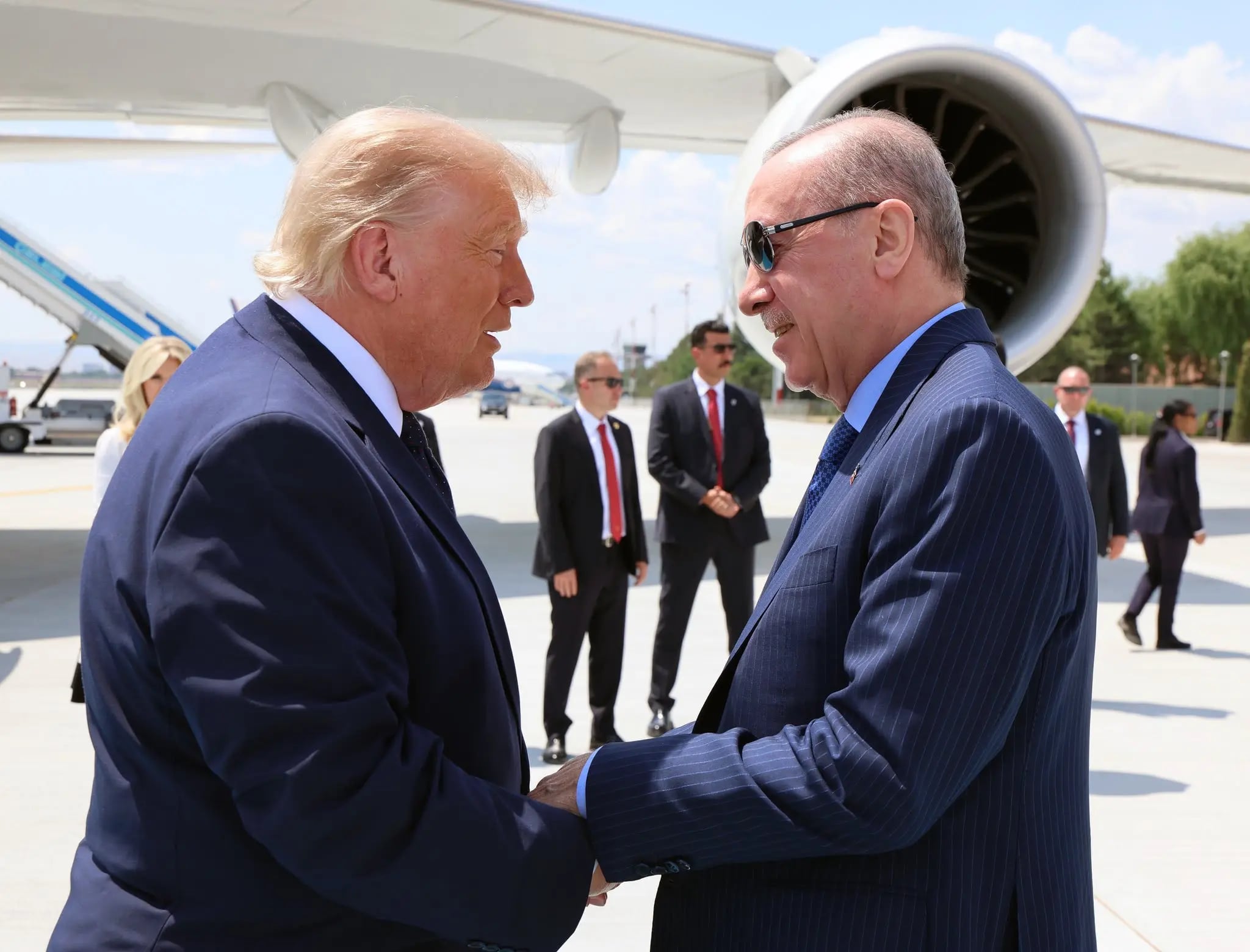
The administration of President Donald Trump has announced a major review of its role in the North Atlantic Alliance, sparking concerns over a potential US NATO withdrawal. In an interview with the British publication The Telegraph, the American leader called NATO a “paper tiger” and stated he is considering a potential U.S. exit from the bloc. The sharp cooling of relations follows Europe’s refusal to support a military operation against Iran, though the situation involves complex geopolitical and financial interests.
Causes of the Split: US NATO Withdrawal and International Law
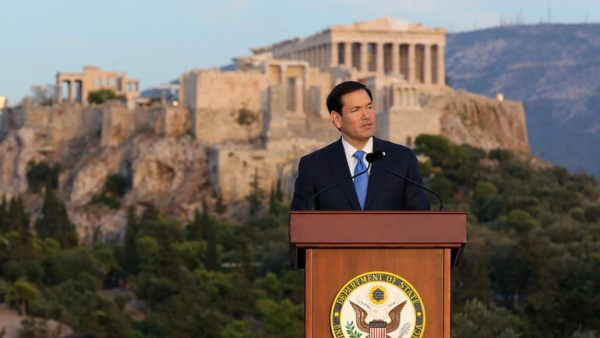
The formal trigger for the crisis was Tehran’s blockade of the Strait of Hormuz and Europe’s refusal to deploy its naval forces to the region. The situation worsened when Spain and Italy prohibited U.S. military aircraft from using their bases for strikes against Iran. U.S. Secretary of State Marco Rubio described this as turning NATO into a “one-way street.”
Europe’s position is driven by more than concerns over potential migration and energy crises. Under international law, European countries cannot legally provide infrastructure for an offensive operation against a sovereign state without a UN mandate or a direct armed attack on a NATO member (Article 5).
Financial Pressure: The Paradox of Trump’s Ultimatum
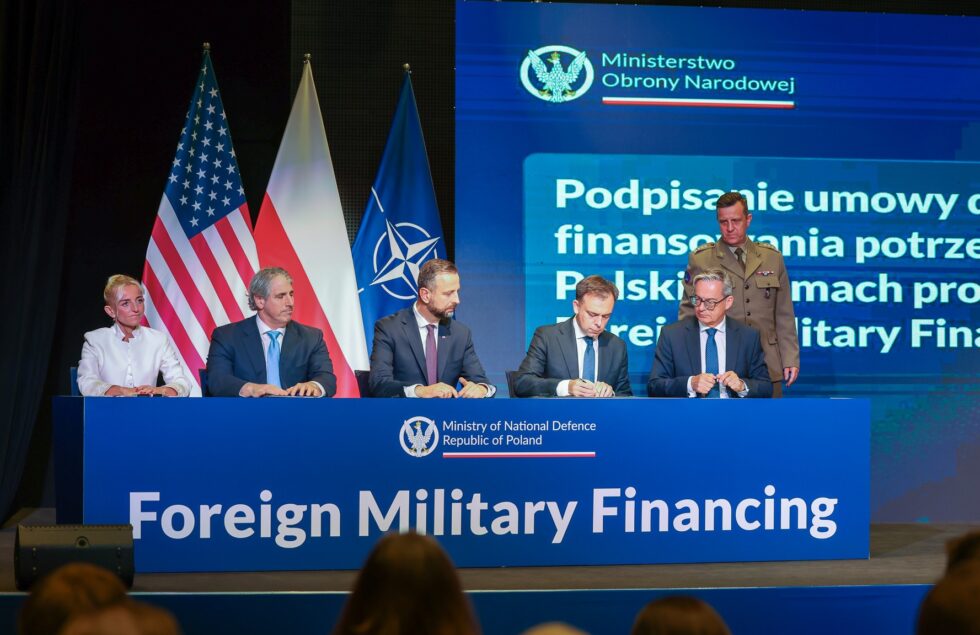
Donald Trump has issued a strict condition: only those countries that increase defense budgets to 5% of GDP will retain a role in NATO decision-making. In June 2025, NATO nations agreed to raise defense spending to 5% of GDP by 2035. Under that agreement, 3.5% must go toward conventional defense needs, while 1.5% is allocated for counter-terrorism and dual-use infrastructure development.
This demand highlights a major logical paradox: Trump himself claims that Tehran is already intimidated and seeking a ceasefire. If the U.S. strategy of maximum pressure succeeded without European bases, the move to dismantle the alliance over the Iranian issue appears to be a pretext for financial subordination rather than a military necessity.
Legal Barriers and Pentagon Resistance
Even if Donald Trump makes a radical decision, a formal U.S. withdrawal from NATO faces significant hurdles. The primary obstacle is the Rubio-Kaine Act of 2023, which prohibits the president from terminating alliance membership without the consent of two-thirds of the Senate or an act of Congress. NEWSROOM IN notes that the measure was initiated by current Secretary of State Marco Rubio and Democratic Senator Tim Kaine to ensure stability and prevent withdrawal without broad political support.
Furthermore, withdrawing 100,000 U.S. troops from Europe is a logistical operation estimated to cost tens of billions of dollars. Congress, which controls the budget, could refuse to fund the move. Additional resistance is expected from the U.S. defense industry. The Pentagon and defense lobbyists generate substantial revenue from standardizing NATO armies to American equipment and calibers, and they are unlikely to allow the administration to disrupt their primary global market.
Internal Sabotage: Paralyzing the Alliance
If a legal exit is blocked by Congress and the courts, the White House maintains tools to effectively freeze NATO operations:
- Ignoring Article 5: The treaty only requires a country to provide the assistance it deems necessary. Trump could limit aid to humanitarian supplies instead of military force.
- Halting Intelligence: Stopping intelligence sharing and withdrawing officers from Strategic Command would deprive Europe of U.S. satellite support and Pentagon logistics.
- Blocking Decisions: The U.S. ambassador can veto any joint operations during meetings of the North Atlantic Council.
Plan B for Europe: Strategic Autonomy
If Washington withdraws its protection, Europe will likely move toward a scenario long discussed in France and Germany.
First, this would involve the accelerated creation of unified European armed forces—an idea championed by President Emmanuel Macron—independent of U.S. command structures. Second, the nuclear umbrella previously provided by America would fall to France and the UK, the continent’s only nuclear powers.
Third, a U.S. refusal to protect Europe would lead to massive investment in the domestic European defense industry. Europe could significantly reduce purchases of American equipment, such as F-35 fighters and Patriot systems, in favor of local developments. Consequently, Trump’s ultimatum could result in a outcome opposite to Washington’s expectations: instead of a compliant ally, the U.S. may face a fully independent and armed European bloc that determines its own security policy.