The evolving NATO Iran Strategy is facing one of the most severe stress tests in its history. The military operation by the U.S. and Israel against Iran and the resulting global oil crisis have become closely linked to the fate of Ukraine. Harsh criticism of allies from Donald Trump forced NATO leadership to urgently revise their positions. This transformation is most evident in the rhetoric of NATO Secretary General Mark Rutte, who performed a dramatic diplomatic pivot in just a few weeks.
NATO Iran Strategy: From Denial to Support
As recently as March 2, 2026, Mark Rutte categorically stated that NATO had “absolutely no plans” to participate in the U.S. and Israeli military campaign against Iran. European leaders insisted the alliance was exclusively defensive in nature.
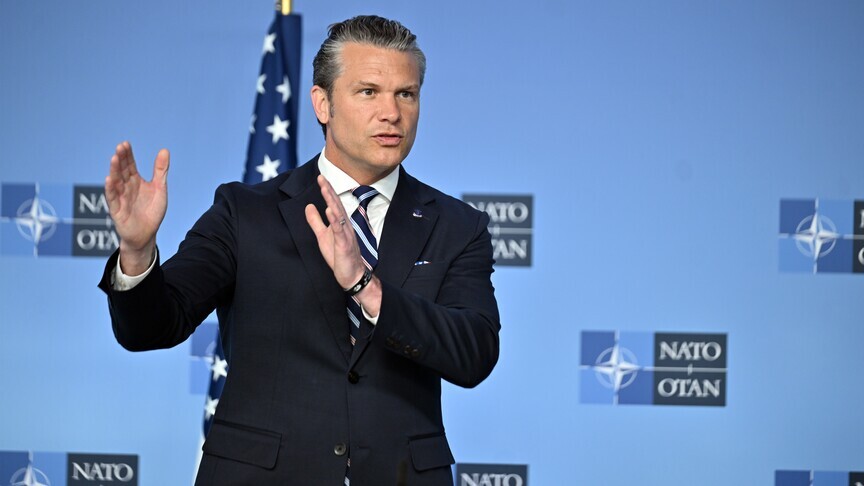
By March 22, the Secretary General’s tone had changed completely. In an interview with Face the Nation on CBS NEWS, Rutte did more than support Washington’s actions. He called preemptive strikes on Iranian nuclear and missile facilities “critically important” to save the world from an existential threat.
Pressure from the White House and the actions of the Iranian government triggered this shift. Shortly before the interview, Donald Trump publicly insulted allies, calling NATO a “paper tiger” without U.S. participation. The President accused Europe of cowardice. He said Europeans complain about high oil prices but refuse to help Washington unblock the Strait of Hormuz. “Cowards – we will remember this!” Trump said.
Rutte attempted to smooth over the tension during the interview by blaming the long European silence on U.S. secrecy. He said Washington had planned Operation Epic Fury for weeks without telling its partners. Rutte said it was “logical that European countries needed a couple of weeks to gather their strength.”
Europe did gather its strength, but on its own terms. Instead of direct participation in bombings under the NATO banner, a “coalition of the willing” involving 22 countries was quickly formed. This group includes EU states, Japan, Australia, and the UAE. Their sole objective is ensuring freedom of navigation in the Strait of Hormuz rather than regime change in Iran. The goal is to save the global economy from an oil collapse.
Angry tweets from Trump were not the only factor that forced the hands of European politicians. The behavior of Iran itself also played a role. Tehran made a strategic error that gave Mark Rutte a perfect argument for European voters.
During the escalation, Iran fired two missiles at Diego Garcia, a joint U.S.-British base in the Indian Ocean. The missiles traveled 4,000 kilometers. Israeli intelligence estimates these were intercontinental ballistic missiles. On CBS, Rutte acknowledged the reality that if this data is correct, Berlin, Paris, and Rome are now within direct range of Iranian missiles.
This fact allowed the NATO Secretary General to publicly support Trump’s preemptive strikes on Iranian nuclear sites. He called them “critically important” for eliminating an existential threat to Europe.
Ukraine as a Bargaining Chip in the Oil Game
Rutte faced his most difficult diplomatic maneuver regarding Ukraine. Initially, Europe attempted to negotiate a deal proposed by Finnish President Alexander Stubb. The plan offered logistical help in the Middle East in exchange for firm U.S. support for Kyiv.
However, Trump shifted the relationship into a strict transaction: “I am helping Europe with Ukraine. Why aren’t they helping me with Iran?”. He then disrupted allied plans further. To lower domestic gas prices before the election, the White House administration took the unprecedented step of temporarily lifting sanctions on Russian oil exports.
The move shocked Europe. The European Council called it a direct blow to EU security. Kyiv estimates this decision will add up to $10 billion to the Kremlin’s military budget, while the U.S. Treasury estimates the figure at $2 billion. When asked how this affects the strategy of maximum pressure on Putin, Rutte avoided direct criticism of Trump. He said the U.S. President “has to balance many different interests” and expressed hope that Washington would still force Moscow and Kyiv to reach a deal.
Conclusion: The Bitter Price of Compromise
Mark Rutte’s interview confirms a new reality. The era of idealistic NATO unity has ended, replaced by hard transactional diplomacy. The alliance avoided direct entry into a destructive Middle Eastern war, but the cost of the maneuver is high.
Trump used economic blackmail to corner Europe, while Iran’s error with the missiles over Diego Garcia ended Brussels’ ability to remain on the sidelines. Europe agreed to a “remote” coalition to save the global economy from an oil collapse and protect its own capitals from the Iranian threat.
The most painful outcome of this crisis lies elsewhere. To keep NATO viable and appease Washington, Europe had to accept the lifting of sanctions on Russian oil. The Iran crisis showed that when U.S. gas prices and the existence of the alliance are at stake, Ukraine becomes a bargaining chip in a larger geopolitical game.