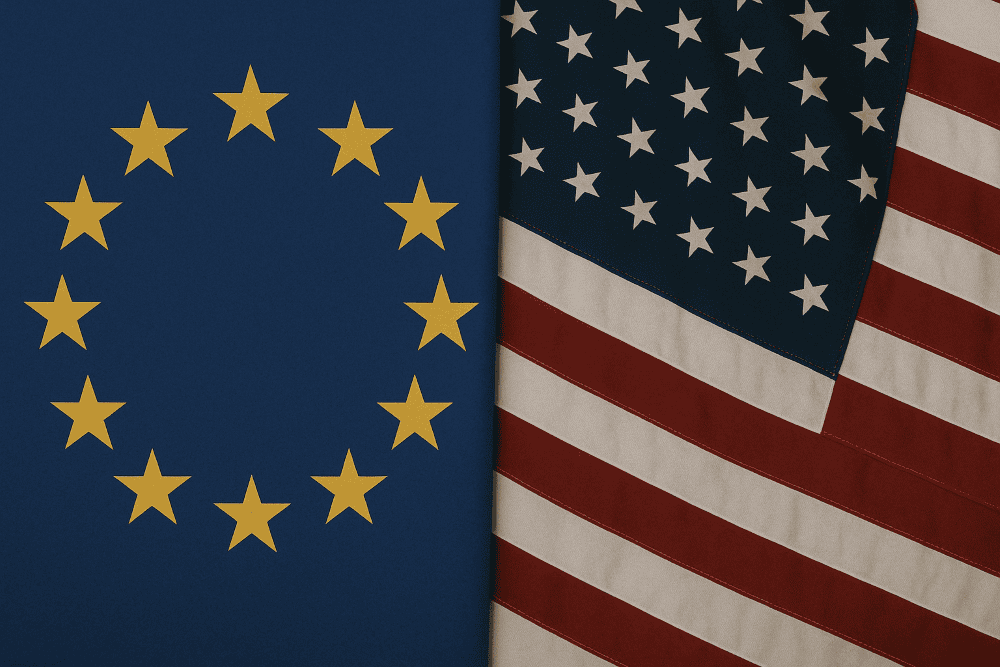
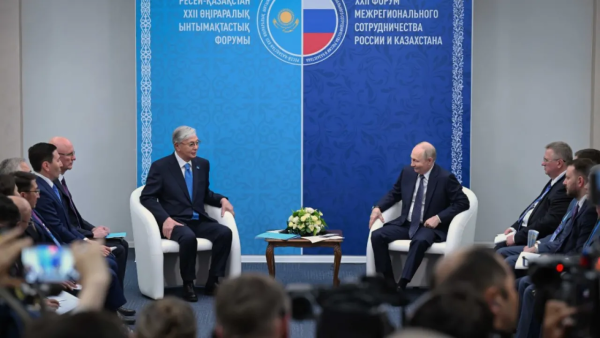
NATO defense ministers gathered at the alliance headquarters in Brussels on June 17, 2026, where US Secretary of Defense Pete Hegseth delivered a direct presentation on the “NATO 3.0” concept. The statements by NATO Secretary General Mark Rutte and the straightforward demands from Hegseth point to a single reality: the United States is shifting its focus to China, meaning Europe must build its own strength and fully fund its own security.
NEWSROOM IN analyzed how the member states plan to build this restructured military alliance.
Where Did “NATO 2.0” Go and the Rise of NATO 3.0
Understanding the new concept requires looking back at the alliance’s history. The original “NATO 1.0” was the Cold War-era military bloc created solely to deter the Soviet Union.
Political scientists and military analysts refer to the alliance’s transformation period—starting from the 2004 Istanbul Summit—as “NATO 2.0.” During this era, the bloc shifted from defending European borders to global deployments, such as operations in Afghanistan. Because the threat of a major war in Europe seemed obsolete, European capitals cut defense budgets, mothballed heavy tank divisions, and dismantled air defense systems, entering a period colloquially dubbed “geopolitical holidays.”
Before Donald Trump first took office in the White House, NATO often resembled a ceremonial organization where leaders signed declarations but avoided actual defense spending. In 2017, Trump targeted this status quo, calling the alliance “obsolete” and demanding that Europe stop relying on the American security umbrella for free. By 2019, internal divisions grew so severe that French President Emmanuel Macron declared in an interview with The Economist that the organization was experiencing “brain death” (la mort cérébrale de l’OTAN), pointing to a breakdown in strategic coordination.
Russia’s military invasion of Ukraine served as a shock that revived the alliance, returning it to its original core mission of collective defense against a major external threat. However, long-standing vulnerabilities remain, and the Pentagon is now closing the chapter on Europe’s “geopolitical vacation.”
“NATO 3.0” marks a return to the alliance’s origins within a new framework: Europe must take the lead in the conventional defense of its own continent. Pete Hegseth’s message was clear: the alliance needs actual combat capability and its own industrial base rather than an elite debating society.
US Troop Reductions and the Financial Ultimatum
Washington has already begun scaling back its military footprint in Europe. According to US media reports, the United States is withdrawing a third of the 150 F-16 and F-15 fighter jets previously allocated to NATO, along with bombers, refueling aircraft, and reconnaissance drones. At sea, the US is also removing a guided-missile submarine and one of its two aircraft carrier strike groups from the European theater.
Mark Rutte downplayed the shift, framing the withdrawal of equipment as a routine “adjustment of contributions.” The NATO Secretary General highlighted that in 2025, Europe and Canada increased their defense spending by a record $90 billion, representing a 20% growth.
However, Hegseth indicated this is insufficient. At the previous year’s Hague summit, member states agreed to target defense spending of 5% of GDP by 2035. The US Defense Secretary stated he would pressure laggards both privately and publicly. In contrast, he pointed to Donald Trump’s proposed $1.5 trillion US defense budget, emphasizing that this “arsenal of freedom” is primarily meant to protect America itself. The message to European treasuries was clear: it is time to increase funding.
Trump’s Volatility as a Spending Catalyst
The US president’s diplomatic style provides additional motivation for European allies. Following a dispute with German Chancellor Friedrich Merz, Trump threatened to withdraw US troops from Germany, and later raised concerns in Poland. Ultimately, Warsaw did not see a withdrawal but instead received an additional 5,000 US soldiers. These policy shifts have proven effective in prompting allies to resolve disputes and accelerate logistical overhauls.
Ukraine, Iran, and Defense Production and The Strategic Importance of NATO 3.0
The standard agenda also remains active, with the Ukraine Defense Contact Group meeting on the sidelines. Rutte emphasized that supporting Kyiv remains a priority, which will require the alliance to push its slow-moving defense industry to maximum production capacity.
To reinforce this pragmatic approach, Rutte publicly praised Trump’s agreement with Iran. Officials in Brussels described the free passage of tankers through the Strait of Hormuz and the reduction of the nuclear threat from Tehran as a major step forward. Paradoxically, European security is currently supported not only by NATO battalions but also by US deals in the Middle East.