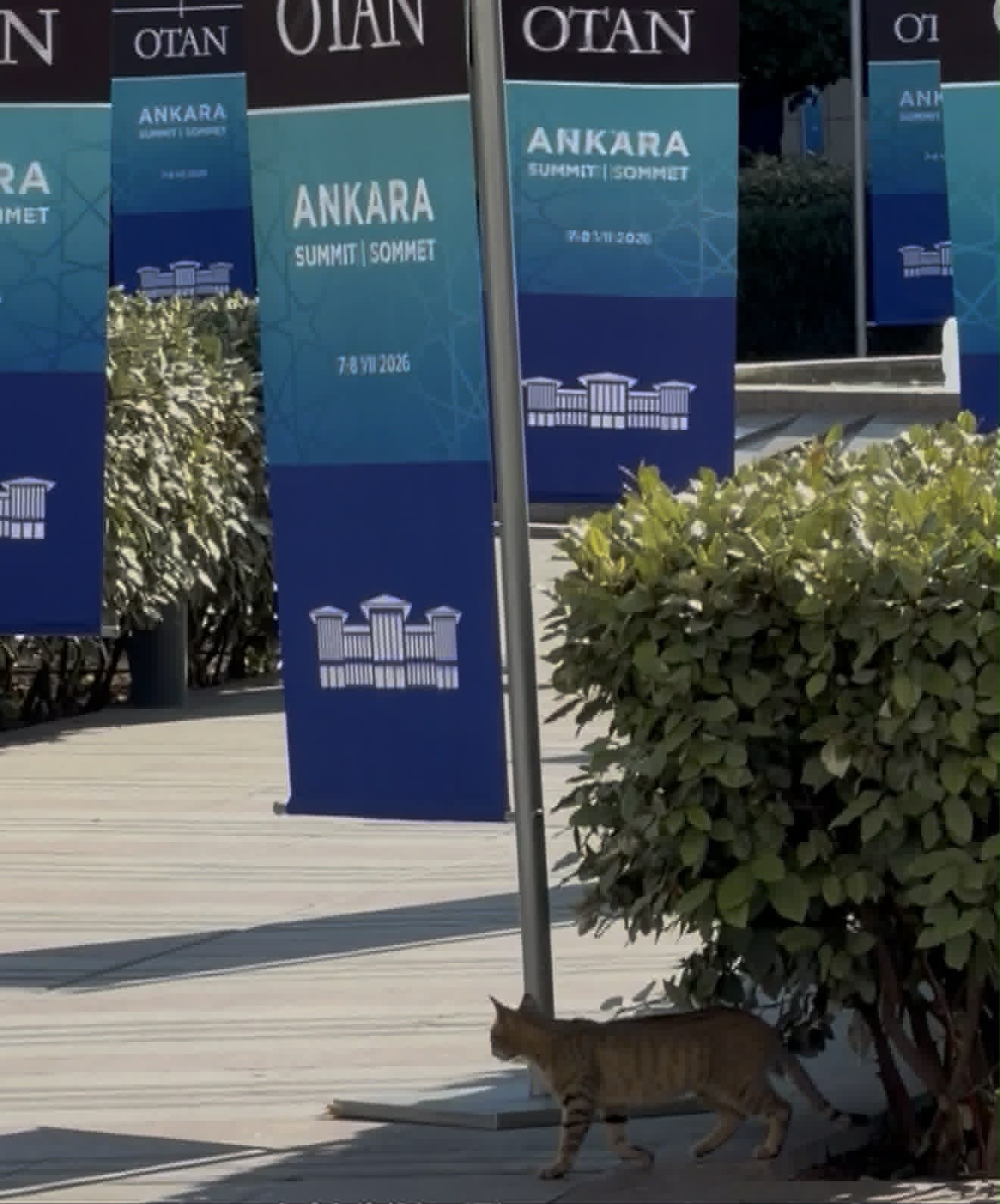
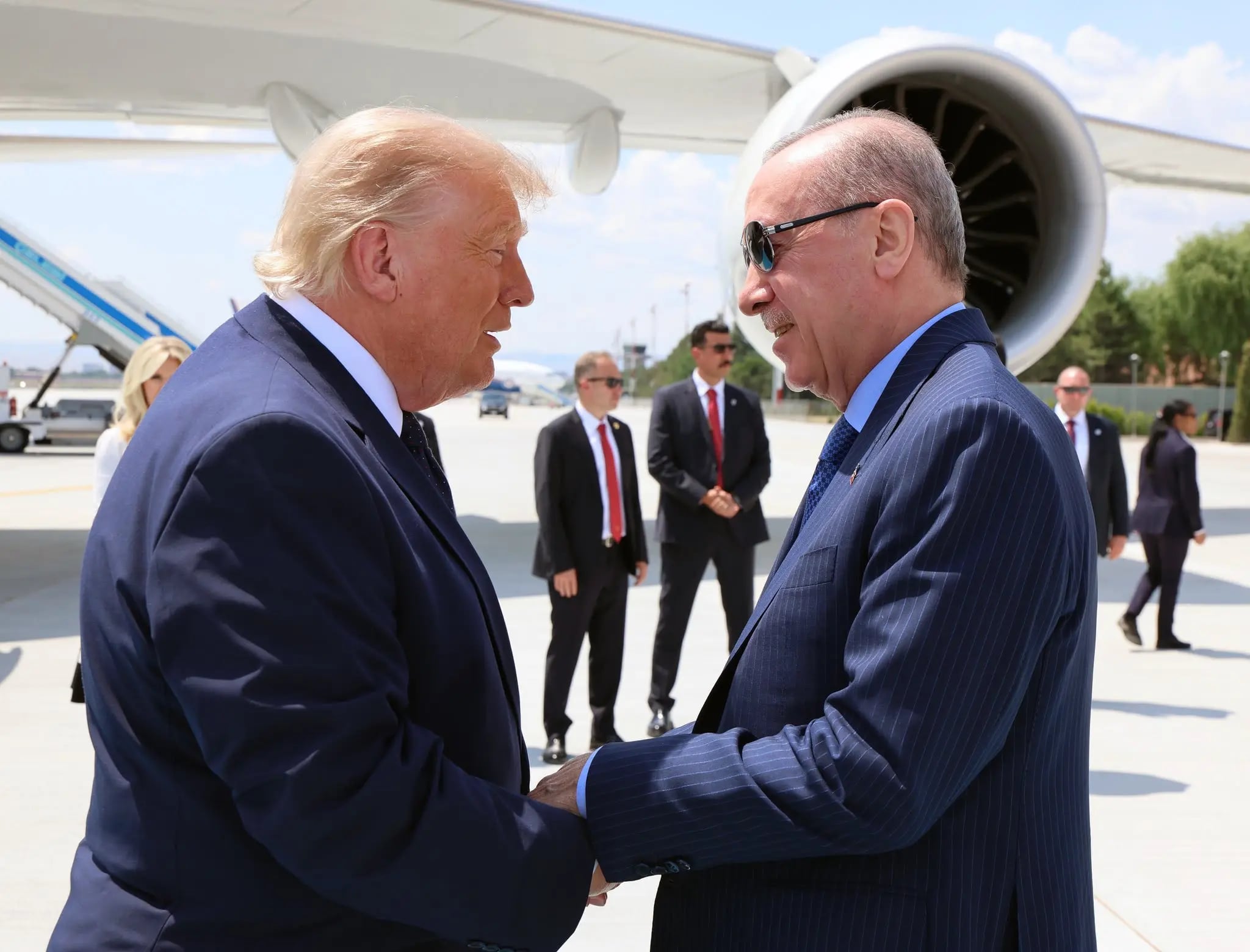
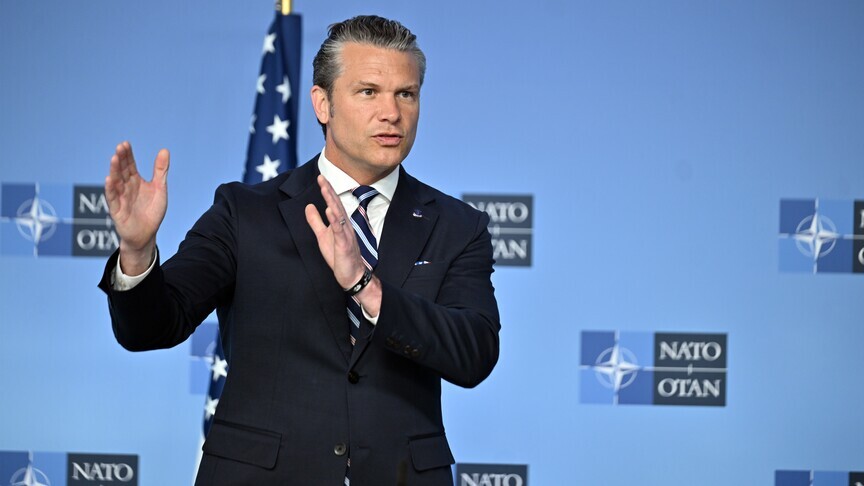
The 36th NATO Summit in Ankara concluded on July 8, 2026, with member state leaders adopting a five-point joint declaration that shifts the primary financial responsibility for European security from the United States to Europe and Canada. On paper, the document reaffirms commitment to Article 5, where an attack on one ally is considered an attack on all, alongside transatlantic solidarity and a 360-degree security strategy.
Behind the diplomatic wording, the declaration reflects a reallocation of defense budgets and areas of influence. The United States has officially shifted the primary financial responsibility for European security to Europe and Canada. Additionally, the alliance is moving from reactive crisis response toward long-term strategic, technological, and financial planning.
NATO Summit: Shifting the Financial Burden to Europe
The primary step toward this new structure is a major adjustment in defense spending distribution within the alliance, resulting in a series of large-scale procurement agreements.
The declaration states that European member states must assume “greater responsibility.” In 2025, European allies and Canada increased their defense budgets by $139 billion. This increase directly responds to long-standing demands from Washington, particularly from US President Donald Trump, who has maintained that the US will no longer unilaterally fund European security.
To demonstrate their financial commitment, European leaders at the summit approved an additional defense procurement package worth over $50 billion. This procurement package is divided into three main categories:
- Category 1: Aviation, Heavy UAVs, and Reconnaissance (over $4.5 billion). This includes the purchase of 10 Swedish Saab GlobalEye airborne early warning and control aircraft to replace aging AWACS systems. It also includes five MQ-4C Triton strategic drones from the US manufacturer Northrop Grumman for Germany, Norway, Finland, and Denmark.
- Category 2: Missile Defense and Tomahawks. German Chancellor Friedrich Merz confirmed the deployment of US long-range Tomahawk cruise missiles on German territory. At the same time, the US, Germany, the Netherlands, Poland, and Sweden signed an agreement to establish a European hub for upgrading PAC-3 missiles for Patriot systems.
- Category 3: Infrastructure and IT. A seven-year, €200 million contract was signed with an Accenture and Leonardo consortium to build a secure digital communications network. German company Isar Aerospace will also fund the construction of a launchpad for the Spectrum military launch vehicle at a Canadian spaceport.
The €140 Billion PR Strategy: Rebranding Existing Commitments


Beyond internal rearmament, Europe’s effort to demonstrate financial independence centered on a multi-billion-euro support package for Ukraine. The alliance committed to providing Kyiv with €70 billion for 2026 and guaranteed the same level of funding for 2027, totaling €140 billion over two years.
While the headline figures suggest substantial new funding on top of previous commitments, a closer look at the financial details shows a different reality.
In practice, the €70 billion annual package does not represent new financial allocations for Ukraine. Instead, it consolidates existing funding into a fixed limit that European NATO members and Canada are prepared to spend. The total is drawn from two previously agreed sources:
- A Portion of the Existing EU Loan (€30 billion per year): This funding comes from a €90 billion pan-European loan (the Ukraine Support Loan). The structure of this loan, which designates €60 billion specifically for defense, was approved by the Council of the European Union in April 2026.
- National Budgets (€40 billion per year): This represents the annual bilateral military aid target that NATO members committed to at the 2025 Hague summit. In Ankara, allies simply reaffirmed these existing plans.
This consolidation comes as the Trump administration signals potential cuts to direct US funding. European nations are publicly demonstrating that they are assuming the financial burden by combining these commitments. However, the majority of these funds—approximately €98 billion when combined with related defense programs—will not be sent directly to Kyiv. Instead, the money will go to European and American defense manufacturers to pay for new ammunition and air defense systems.
The decision by major powers to limit spending to existing budgets and establish a funding cap also meant that efforts to introduce more ambitious financing mechanisms were rejected.
Opposition from Smaller States: Why NATO Rejected the GDP-Based Contribution


While larger alliance members focused on the Ukraine package, a proposal from NATO’s northeastern flank was rejected. A plan put forward by the Baltic states to require each member to allocate a fixed 0.25% of its GDP for military aid to Ukraine failed to secure support. The initiative by Estonia, Latvia, and Lithuania, which had initial backing from Secretary General Mark Rutte, was blocked by the United Kingdom, France, Italy, Spain, and Canada.
Major economies declined to link military aid directly to their GDP. Had the proposal been accepted, total annual funding for the Ukrainian armed forces would have increased to €120–130 billion. In the absence of a collective rule, the Baltic states remain in the minority. Estonia, Latvia, and Lithuania already allocate between 0.4% and 1.5% of their GDP to Ukraine and plan to continue doing so, but they were unable to establish this standard for other capitals like Paris or Rome.
Supporters of the 0.25% GDP contribution argued that this formula would generate total funding exceeding Russia’s estimated annual defense budget of €100–110 billion. The Baltic states advocated for this mechanism due to security concerns, arguing that supporting Ukraine’s defense is more cost-effective than preparing for potential border conflicts by 2030. However, larger European economies chose to maintain control over their national budget allocations.
Despite rejecting the GDP-based contribution, European nations approved several major targeted programs that were not highlighted in the primary media package.
Behind the Main Package: Counter-Drone Programs and Infrastructure Funding
While the $50 billion defense procurement order was announced publicly, details of two other major programs were released separately. These initiatives involve targeted funding for specific defense requirements:
- The “Drone Edge” Counter-UAV Initiative ($40 billion): This five-year program is aimed at defending the airspace of NATO member states. The funds will be used to procure early warning, jamming, and interception systems to counter surveillance and kamikaze drones within NATO territory.
- Fuel Infrastructure and Logistics Modernization (€27 billion): These funds will be allocated toward infrastructure along NATO’s Eastern Flank near the Russian border. The program includes laying new secure military pipelines and constructing a network of underground fuel storage facilities to support heavy armor logistics in the event of a conflict.
This expansion of physical infrastructure is paired with an updated digital framework across NATO’s military doctrine.
Technological Transformation: AI-Driven Defense

Member states agreed to move toward a Software Defined Defence model. The integration of high-performance artificial intelligence models and unmanned systems aims to modernize conventional deterrence by prioritizing data processing speed alongside traditional armored forces.
The alliance plans to coordinate future military operations using unified AI-enabled platforms through two primary programs:
- Maven Smart System: This platform aggregates real-time data from satellites and UAVs, automatically identifies opposing military assets, and provides command staff with potential targeting scenarios.
- Edge AI Inference: This program deploys compact AI models directly onto the processors of tactical equipment. It is designed to enable autonomous drone operations when communication with central cloud networks is disrupted by electronic warfare.
These technological updates accompany a broader review of potential security challenges under NATO’s 360-degree approach.
Details of the Ankara Declaration: Nuclear Deterrence, Space, and Relations with China
The final sections of the declaration outline three long-term, high-budget defense programs:
- Nuclear Deterrence Modernization: The document’s reference to an “appropriate mix” of nuclear capabilities involves funding from European member states to upgrade military infrastructure for the deployment of upgraded US B61-12 tactical nuclear bombs. Funding will support retrofitting secure hangars and adapting F-35 fighter aircraft in Germany, Italy, Belgium, the Netherlands, and Turkey.
- Counter-Terrorism Initiatives: Linking security challenges with “the persistent threat of terrorism” reflects a consensus with Turkey, which prioritizes security operations along its southern borders. Under this framework, a portion of joint funding will support security initiatives in the Middle East and North Africa.
- Space Capabilities and Strategic Competition: The integration of space capabilities into NATO planning is expected to generate contracts for private space firms to launch small reconnaissance satellites. The term “strategic competition” in the text refers to relationships with China. Although China is not explicitly named in this section, partners from Japan, South Korea, and Australia attended the summit. The alliance’s remit now formally covers the security of trade routes extending from the Indo-Pacific to the Strait of Hormuz, where the declaration calls on Iran to ensure freedom of navigation.
Strategic Impact of the NATO Summit
The Ankara summit indicates that European defense spending will continue to rise as reliance on unilateral US funding decreases. NATO is transitioning toward an autonomous, high-tech, and higher-cost defense framework. European governments must now manage the domestic political challenge of balancing these expanding defense budgets, including funding for military AI, pipelines, and nuclear modernization, with national social programs.