The EU energy crisis and the war in the Middle East are forcing Europe to prepare for prolonged fuel shortages. Following an extraordinary meeting of EU energy ministers on March 31, Commissioner Dan Jørgensen issued an urgent warning published by Politico. He warned that even if peace arrived suddenly, life would not return to normal in the near future. He urged Europeans to begin strict rationing of oil, diesel, and aviation fuel.
Jørgensen’s Plan for the EU Energy Crisis: Reduce Speed
To manage the deficit, the Commissioner strongly recommended that EU countries implement International Energy Agency (IEA) protocols. This requires significant changes to the daily habits of ordinary Europeans. Jørgensen’s list of proposed measures includes:
- Maximum transition to working from home (remote work).
- Reducing speed limits on highways by 10 km/h.
- Alternating days for private car access to cities.
- Mass use of public transport and car-sharing.
- Implementation of energy-efficient driving techniques.
“The time has come to finally change the situation and truly become energy independent,” the Commissioner concluded. He promised that the European Commission would soon present a package of EU-wide measures.
Remote Work for Everyone, Except…
Amid categorical calls to save aviation fuel and work from home, a logical question arises: do the author of these initiatives and the European Commission team plan to follow their own advice? Statistics on official travel for the European bureaucracy make the question rhetorical.
EU ministers fly to Brussels for Council meetings an average of eight times per month. There are between 70 and 80 official ministerial meetings held in person every year. Heads of key departments (Foreign Affairs, Economy, Finance) fly to the EU capital almost every month. Jørgensen did not specify whether the EU Council would switch to video conferences to set a personal example of energy independence for citizens.
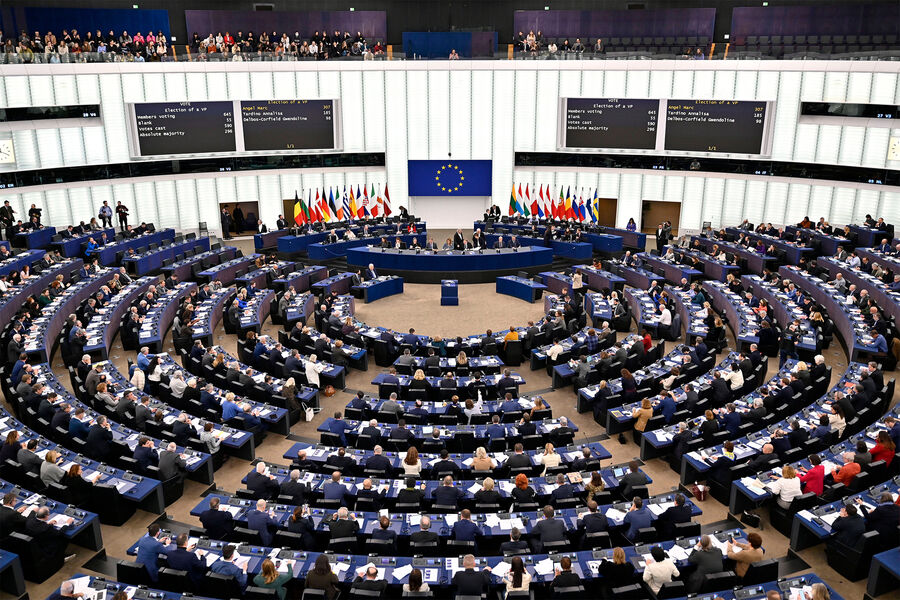
The logistics of the European Parliament appear even more paradoxical. Every month, the institution charters exclusive special trains solely to transport officials and members between its two official seats in Brussels and Strasbourg.
These mass migrations for sessions occur 12 times a year and are strictly mandated by basic EU treaties. Members of the Green Party have repeatedly called to stop this carbon-intensive “traveling circus” and use only the Brussels headquarters.
However, Strasbourg authorities remain categorically opposed. Ironically, the city’s mayor, Jeanne Barseghian (also from the Green Party), rejected her colleagues’ climate arguments. In her view, the monthly race of special trains is necessary because it prevents another existential threat: the rise of Euroscepticism.
Commissioner Jørgensen did not specify whether the EU Council would switch to Zoom to set a personal example of energy independence and save thousands of liters of aviation kerosene. For now, the initiative to save European energy rests on the shoulders of ordinary drivers and businesses.