The Iran war and conflict in the Middle East has reached a boiling point as it enters a decisive phase. While Iran presents its ceasefire conditions to the European Union, the United States has shifted to a strategy of strict ultimatums. Amid continuous bombing of Iranian territory, the U.S. administration is conducting intensive private negotiations to demand the immediate unblocking of the Strait of Hormuz.
Masoud Pezeshkian: Requirements and Warning to Europe
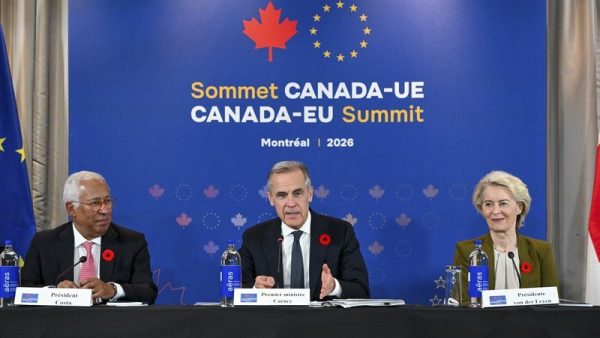
On the diplomatic front, Iranian President Masoud Pezeshkian held a tense telephone conversation with European Council President António Costa. The Iranian leader stated that the republic has the “necessary will” to end the military confrontation with the U.S. and Israel. However, he maintained that Washington and Tel Aviv must stop the bombing and provide firm “guarantees against renewed aggression.”
Pezeshkian emphasized that Iran did not seek war and warned European countries against external intervention in the conflict, stating it would lead to “extremely dangerous consequences” for the entire region.
European Union Response to Iran War
In response, António Costa categorically condemned Tehran for strikes on neighboring countries and the deaths of civilians, calling for immediate de-escalation.
“I strongly urged de-escalation and restraint, the protection of civilians and civilian infrastructure, and for all parties to fully respect international law. The loss of innocent lives, including at a school in Minab, is deeply regrettable,” Costa said.
According to Costa, the EU is ready to contribute to all diplomatic efforts to lower tensions and find a solution to end hostilities while addressing broader security concerns created by Iran.
Trump’s Oil Ultimatum
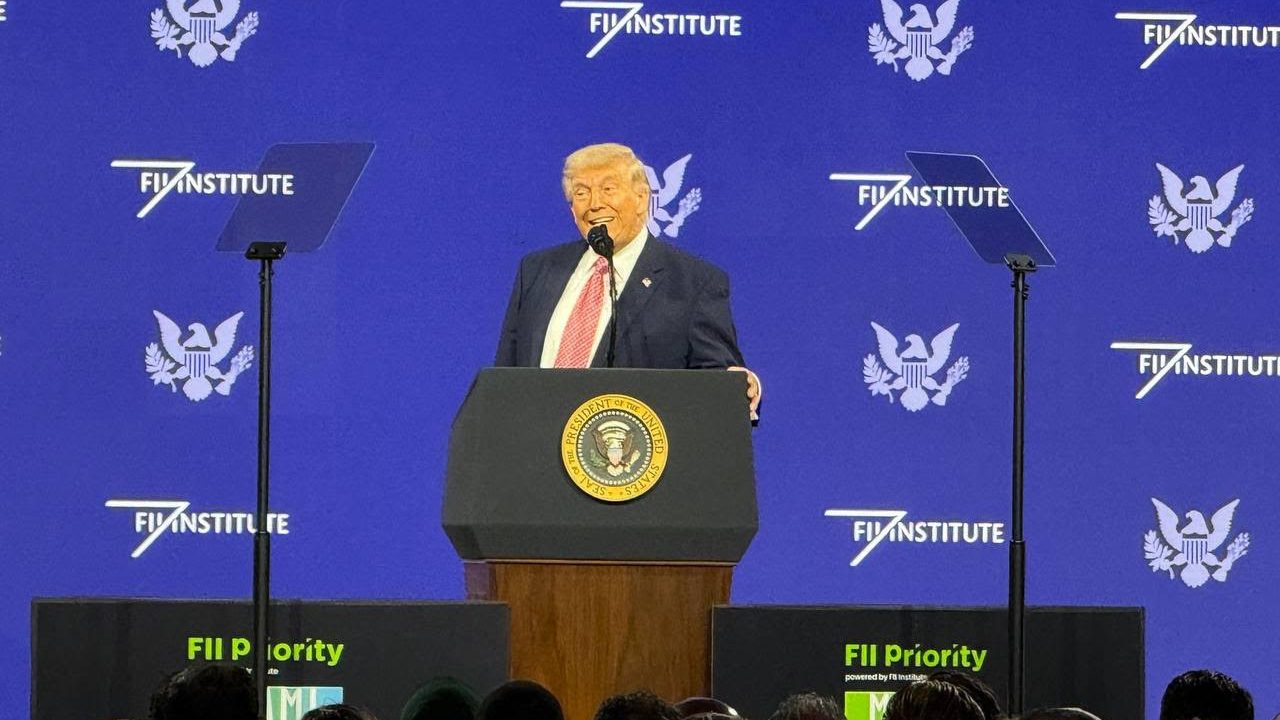
While Europe calls for restraint, the U.S. position appears significantly tougher. President Donald Trump publicly stated that there would be no conventional deal with Iran, issuing an ultimatum to Tehran. Earlier this week, he threatened the complete destruction of the Islamic Republic’s critical infrastructure, including the primary oil hub on Kharg Island, oil wells, power plants, and desalination facilities.
Trump’s main demand is an immediate end to the war and the opening of the Strait of Hormuz to international navigation. The American leader is using a dual approach: while threatening total destruction, he simultaneously posted on social media that Washington is currently conducting “serious negotiations” with a “more reasonable regime than before” in Tehran.
White House Press Secretary Karoline Leavitt stated at a briefing: “Despite all the public statements you hear from regime representatives, and despite all the false reports, negotiations are ongoing and progressing well. What is said publicly is, of course, significantly different from what we are being told in private.”
Pentagon: “The Coming Days Will Be Decisive”
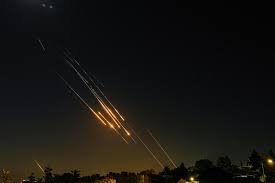
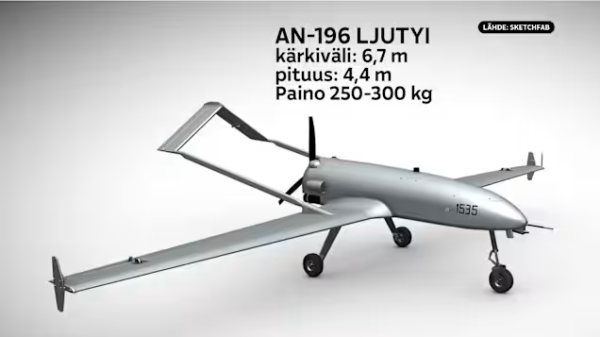
Military confirmation of the U.S. strategy came from Pentagon chief Pete Hegseth. At a press conference on March 31, 2026, the Defense Secretary stated that the military campaign against Iran is entering a critical phase. According to his data, Tehran is aware of this, as the number of Iranian missile and drone launches has dropped to a minimum.
Hegseth summarized his recent unannounced visit to the U.S. Central Command (CENTCOM) area of responsibility. He noted an unprecedented motivation among American military personnel to “finish the job as quickly as possible,” contrasting this rapid operation with the protracted campaigns of previous years in Iraq and Afghanistan.
Total Air Control and Nuclear Negotiations
The head of the American defense department left no doubt regarding allied tactics: the U.S. and Israel intend to maintain total control over Iranian airspace. Strikes will be carried out around the clock until the opponent’s military potential is destroyed.
However, Hegseth confirmed that military pressure is a tool for diplomacy. Parallel to the destruction of Iranian radars and bases, negotiations with Tehran—including discussions on sensitive nuclear issues—are not only continuing but becoming more intensive. The coming days will determine whether the American strategy of “enforced peace” through air dominance will be successful.