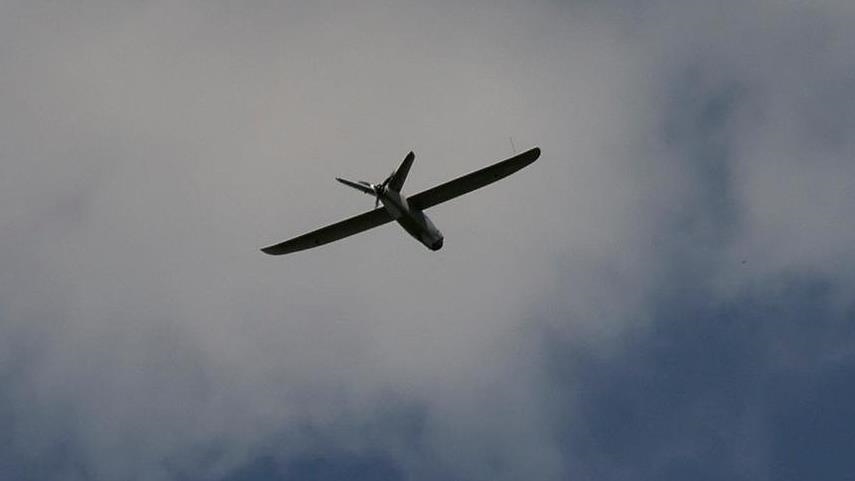
Recent Baltic drone incidents, some involving aircraft armed with explosive charges, were recorded across Lithuania, Latvia, and Estonia earlier this week, marking several significant security incidents for the Baltic region. While no casualties occurred, the appearance of these aircraft is being linked to recent Ukrainian strikes on the port of Ust-Luga and energy facilities in the Leningrad region. However, the primary focus has shifted from the drones themselves to the diplomatic responses from official departments.
NATO Air Defense and Baltic Drone Incidents
The incidents have raised questions regarding how armed drones crossed NATO borders undetected. Technical limitations appear to be the cause. Standard radar systems designed to track ballistic and large cruise missiles often fail to detect targets moving at ultra-low altitudes. The drones effectively flew beneath the radar field, revealing a vulnerability in the early warning system.
The Art of Omission: Latvia’s Defense Ministry Response
Following the incidents, Russian media claimed that Baltic countries intentionally opened their airspace for Ukrainian drones. The Latvian Ministry of Defense issued a statement dismissing these reports as a Russian information operation intended to “discredit NATO, divide society, reduce trust in state institutions, and weaken support for Ukraine.” Latvian military officials also stated they “do not participate in the planning or implementation of Ukraine’s counter-offensives.“
Colonel Ants Kiviselg, commander of the Estonian Defense Forces Intelligence Center, stated that claims of intentional transit are untrue. According to Kiviselg, the drones that entered Estonian airspace on the night of March 25 arrived from Russian airspace. He noted that, based on available information, none were targeted at Estonia but had either lost their course or been diverted.
Despite these statements, officials have not issued a direct or unambiguous denial regarding whether their airspace could have been used for transit. Stating a lack of involvement in attack planning is not the same as confirming that the airspace remained closed to the flight paths.
Latvia Issues Protest Note to Russia Over Ukrainian Drone
On March 25, the Latvian Ministry of Foreign Affairs summoned Russia’s chargé d’affaires to deliver a note of “categorical protest” regarding the crossing of Latvian airspace by a Ukrainian drone. Riga’s position is that Russian aggression creates unpredictable security risks and incidents throughout the region. Consequently, the diplomatic and political responsibility for the Ukrainian drone flying over NATO territory was officially placed on Moscow.
This approach holds that the broader conflict initiated by Russia is the root cause of all regional airspace violations, regardless of the drone’s origin.
Response from Kyiv: Fog of War and New Protocols
The Ukrainian side has also remained guarded. An advisor to President Volodymyr Zelensky cited the need for an investigation, confirming that Ukraine uses long-range drones that may experience trajectory changes. He also mentioned the possibility of Russian provocations intended to escalate regional tensions.
On a practical level, Lithuanian Defense Minister Robertas Kaunas visited Kyiv to discuss drone launch algorithms and coordination with Ukrainian counterparts.
Public Demand for Transparency
For residents of border areas in Lithuania, Latvia, and Estonia, the presence of armed drones represents a physical threat to their safety and property. When official agencies provide indirect answers or exchange unconventional protest notes, it creates an information vacuum.
The lack of direct dialogue from authorities can contribute to public concern and provide an opening for external propaganda. In the current situation, drones are falling and bypassing radar systems while officials focus on diplomatic messaging.
Ordinary citizens remain largely uninformed about the actual level of protection for their airspace as these Baltic drone incidents continue to occur.