Photo: Getty Images
On May 19, 2026, Russia Baltic tensions escalated significantly after several high-ranking Russian officials accused the Baltic republics of allowing Ukrainian forces to use their territory and military infrastructure to launch drone strikes against northwestern Russia. Moscow had been preparing the ground for these accusations. In April, the Russian Foreign Ministry and Security Council Secretary Sergei Shoigu warned Finland and the Baltic countries against “complicity” in attacks on Russian ports. No evidence was provided then or now, but the Kremlin’s rhetoric has escalated to direct military threats.
Russia Baltic Tensions Rise Amid Threats of “Retaliatory Strikes”
On May 19, Russia’s Foreign Intelligence Service (SVR) issued an official statement claiming that Ukraine is secretly deploying personnel to Latvia. According to Russian intelligence, heavy UAVs are launched from the Latvian military bases in Ādaži and Lielvārde to minimize flight time to targets inside Russia. Following the SVR statement, Russia’s UN Ambassador Vasily Nebenzya joined the pressure campaign. Moscow stated it knows the coordinates of these “centers” and threatened “retaliatory strikes,” asserting that NATO membership would not protect the Baltic nations from a harsh response.
Baltic capitals responded with firm denials. Latvian Foreign Minister Baiba Braže dismissed Moscow’s statements as lies, emphasizing that Riga has never allowed and will never allow its airspace to be used for such strikes. Meanwhile, the office of Lithuanian President Gitanas Nausėda warned that the Kremlin’s aggressive rhetoric increases the risk of Russian provocations, such as staging a drone intrusion into Russian territory to create a pretext for aggression.
Drone Downed Over Estonia Contradicts Kremlin’s Logic
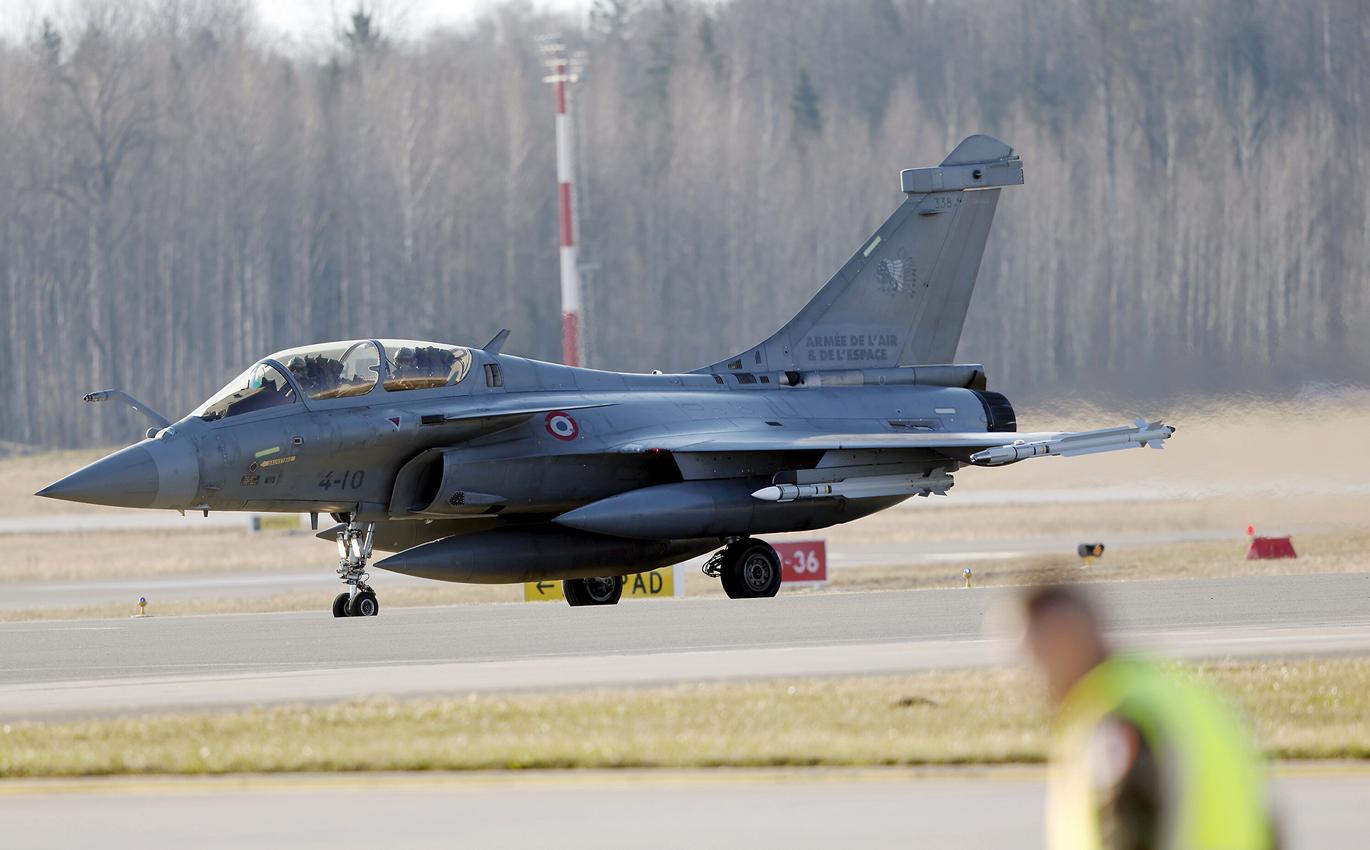
On May 19, the situation escalated further when a Romanian F-16 fighter jet on a NATO Baltic Air Policing mission shot down an out-of-control Ukrainian drone over southern Estonia. NATO command used the incident to counter Russian propaganda claims.
NATO Supreme Allied Commander Europe General Alexus Grynkewich stated: “If we were allowing drones to transit Baltic airspace to reach Russia, we would not be shooting them down.”
Grynkewich added that NATO remains a defensive alliance, a fact well known to Moscow. He noted that if the Kremlin perceived a genuine military threat along the Baltic borders, it would not have depleted the Leningrad Military District to deploy its remaining combat-ready units to Ukraine.
Nonetheless, stray drones remain a significant issue in the region. In early May, two Ukrainian drones crashed in eastern Latvia, triggering a domestic political crisis that led to the resignation of the Latvian defense minister. Kyiv officially apologized to its Baltic partners and explained the causes. According to the Ukrainian Foreign Ministry, Ukrainian forces target Russian territory directly, but Russian electronic warfare (EW) systems actively disrupt the drones’ navigation, redirecting them deeper into Europe and allowing Moscow to fabricate claims of a “NATO attack.”
Clash at the UN and Emergency Intercept Protocol
The diplomatic standoff peaked during an emergency meeting of the UN Security Council. US Deputy Representative to the UN Tammy Bruce criticized the Russian delegation, stating that the Security Council is no place for aggressive threats of “retaliatory strikes.” Washington confirmed that if Russia attempts to attack Latvia or its neighbors, the United States will invoke NATO’s Article 5 on collective defense to protect every inch of allied territory.
Anticipating continued technical disruptions from Russian electronic warfare, NATO is taking proactive measures. The downing of the drone over Estonia demonstrated that the alliance’s air defense operates autonomously, delegating tactical decisions directly to pilots. To formalize these procedures, NATO foreign ministers are convening for an emergency meeting in Sweden. Military officials plan to adopt a strict protocol under which NATO aircraft will shoot down any unidentified objects in allied airspace without warning, regardless of whether they originate from Russia or Ukraine.
Why the Kremlin Seeks a False Casus Belli
Moscow’s actions represent an attempt to manufacture a casus belli (pretext for war) by leveraging the technical fallout of the conflict for propaganda purposes. The Kremlin likely pursues three strategic goals through this artificial crisis.
First, the crisis is straightforward blackmail and an attempt to test Western “red lines.” By leveling accusations against Latvia, Moscow tests Washington’s commitment to NATO’s Article 5, which has faced some questioning within EU political circles.
Second, the Kremlin needs to justify its military limitations to a domestic audience. As Ukrainian drones successfully strike oil depots and ports in northwestern Russia, Russian state media finds it more convenient to claim that Russia is fighting the entire NATO bloc from adjacent bases in Latvia rather than admitting gaps in its own air defenses or tactical setbacks against Ukrainian forces.
Third, it is an attempt to drive a wedge between Kyiv and the Baltic capitals. By amplifying incidents involving stray drones, Russia aims to spark domestic political crises in the Baltic states—similar to the defense minister’s resignation in Latvia—and force their air defenses to focus on Ukrainian UAVs. However, the strategy has not succeeded: NATO has updated its operational rules to secure its airspace, and the US warning at the UN made clear that threats of retaliatory strikes against the alliance will not go unanswered.