Russian authorities are systematically distorting Russian economy statistics to convince Western allies that the country remains resilient despite sanctions and high military spending. Swedish military intelligence chief Thomas Nilsson made the claim in an interview with the Financial Times, citing classified intelligence data.
Russian Economy: Inflation and Budget Deficits
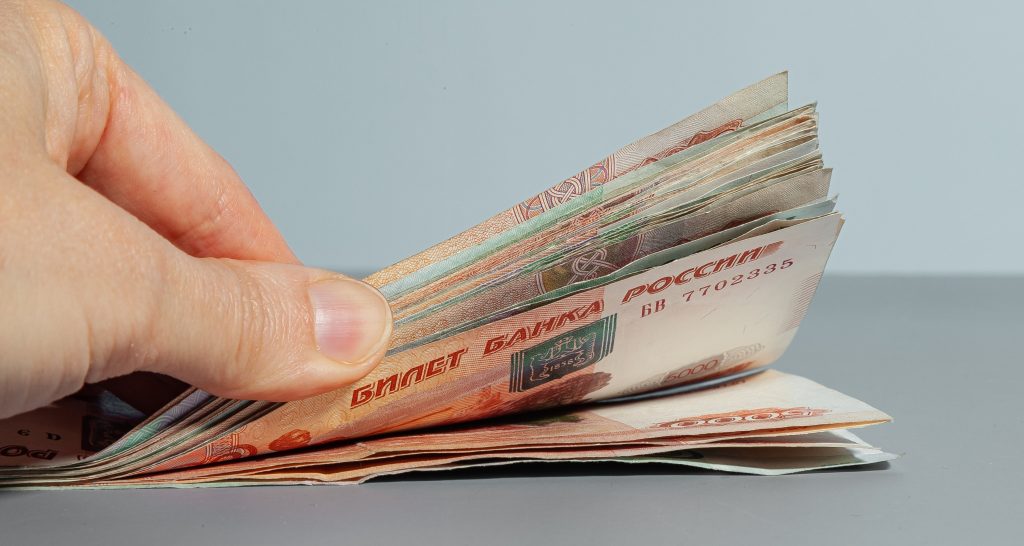
Swedish intelligence services estimate that official figures released by Russian agencies are far from reality. The report claims the Russian government is underreporting its actual state budget deficit by at least $30 billion.
Additionally, the Central Bank of Russia is underestimating the level of inflation. According to Thomas Nilsson, real price growth in the country is much closer to the 15% key interest rate than the officially declared 5.86%.
Threat of Banking Crisis and Oil Dependency
Sweden has also identified financial indicators suggesting a high probability of a looming banking crisis in Russia. While Nilsson did not disclose specific details, the Financial Times notes that Germany’s Federal Intelligence Service (BND) fully concurs with the Swedish findings.
Nilsson emphasized that the Russian economy is far from recovery, even with the rise in global energy prices caused by conflict in the Middle East. Intelligence calculations suggest Moscow needs the export price of Urals crude to remain above $100 per barrel for the entire year just to cover its budget deficit. Sustaining such a price for an even longer period would be required to address other accumulated economic problems.
Long-Term Forecasts: Decline or Shock
Summarizing the state of Russian finances, the Swedish intelligence chief stated that the country is essentially “living on debt.” In his view, the Russian economy faces two possible scenarios: a long-term, exhausting decline or a sudden shock collapse. Both paths lead toward financial catastrophe.
The Financial Times also notes an alternative perspective. Some international institutions, such as the International Monetary Fund (World Economic Outlook), do not share the Swedish intelligence service’s pessimism. They publish forecasts that largely align with the Russian Central Bank’s own expectations, which predict inflation will slow to approximately 5% by the end of 2026.
Reaction of Russian Authorities
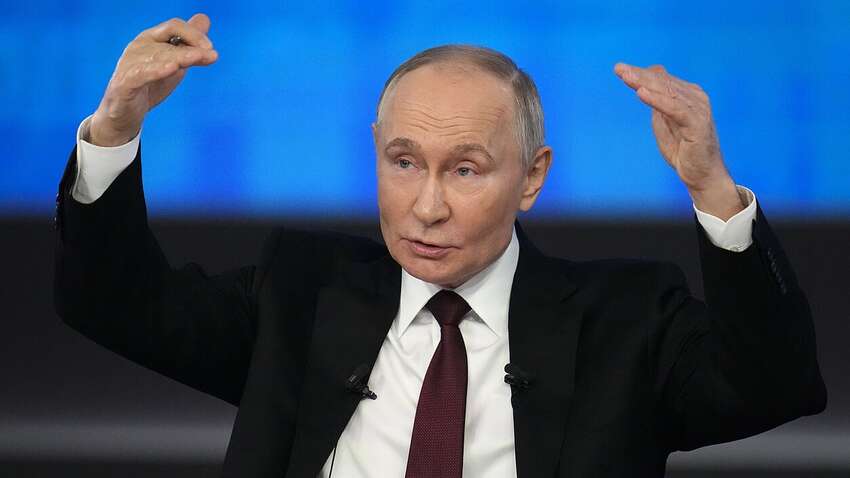
Inside Russia, there is also visible concern regarding macroeconomic dynamics. At a specialized meeting on April 15, 2026, Vladimir Putin demanded that the government and Central Bank leadership explain why real economic indicators are lagging behind initial expectations.
Russia’s economy contracted by 1.5% year-on-year in the first quarter of 2026, its worst performance since the introduction of major Western sanctions. The decline has continued for several months. In January and February alone, GDP fell by 1.8%, impacting manufacturing, industrial production, and construction. Putin attributed the decline solely to “seasonal factors.”