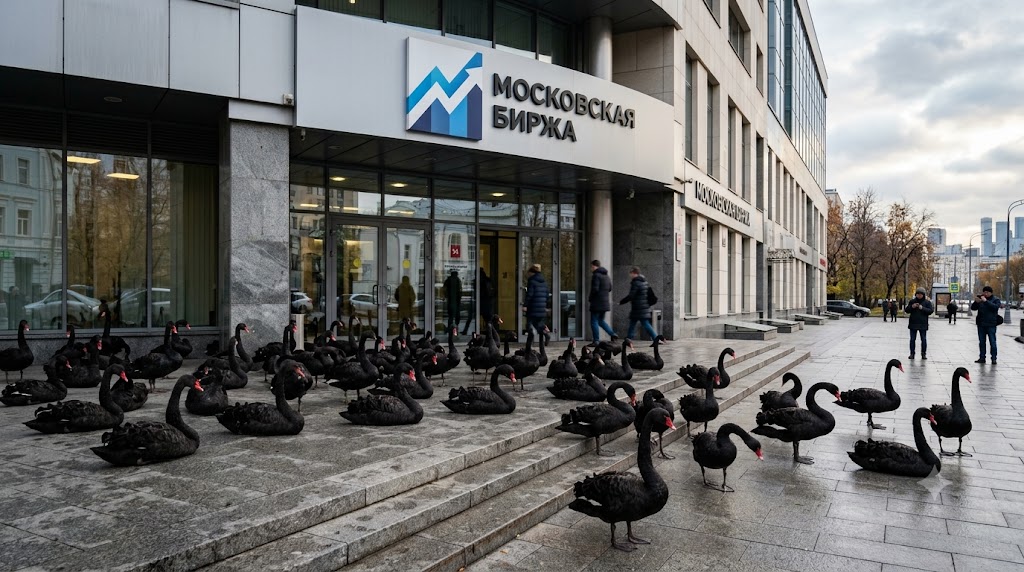
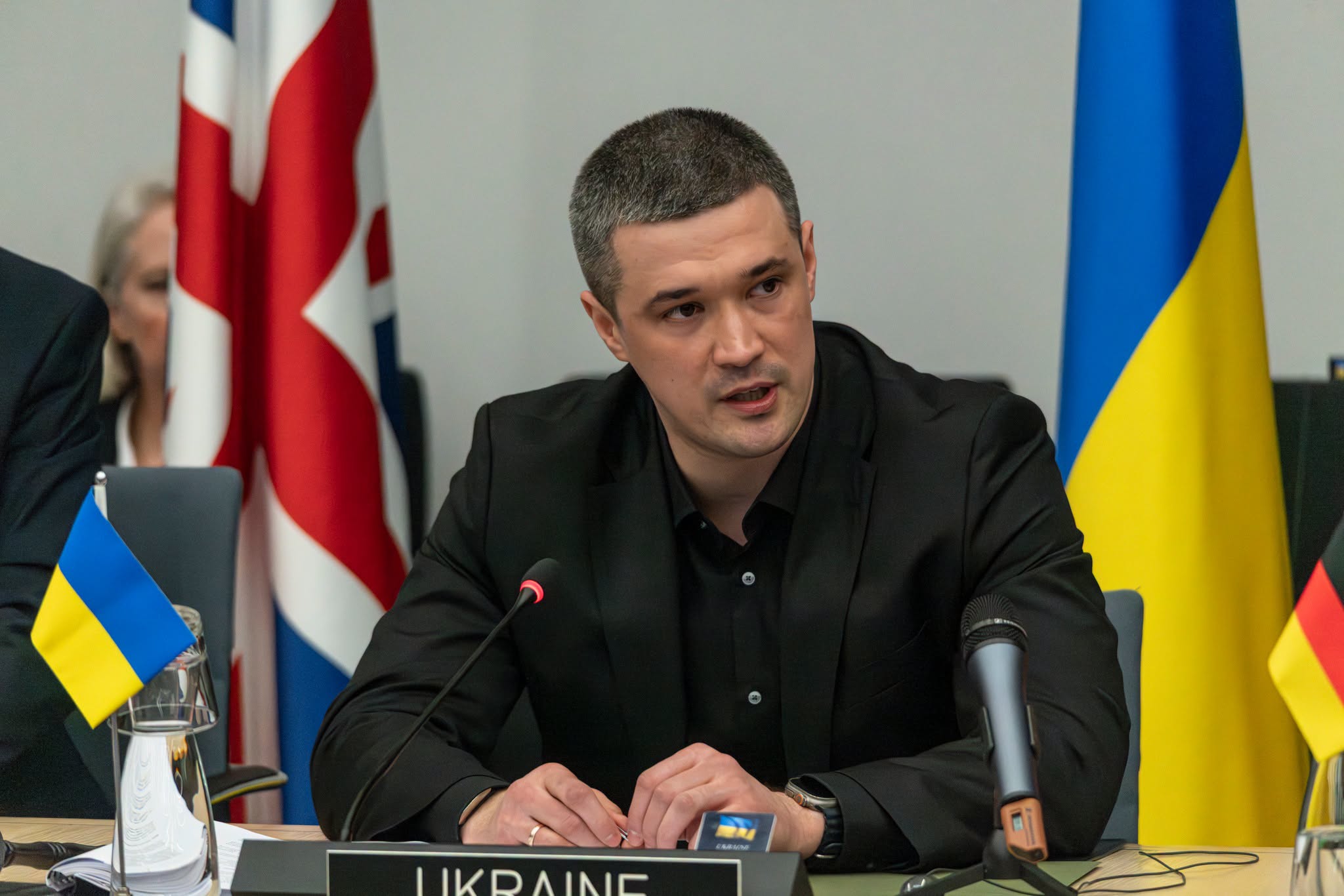
On April 15, NATO Secretary General Mark Rutte arrived in Odessa on an unannounced visit. His brief but symbolic meeting with Volodymyr Zelenskyy in Ukraine’s main port sent a direct message to the Kremlin: Russia will not get this city.
Russian Rhetoric: The Old Scenario
In the last 10 days, Russian officials have once again intensified the discussion about Odessa, claiming that it is a “Russian city” and that its residents are “suffering.” Everyone knows how similar statements by Russian authorities regarding Crimea and Donbass in 2014, and then regarding the whole of Ukraine in 2022, ended.
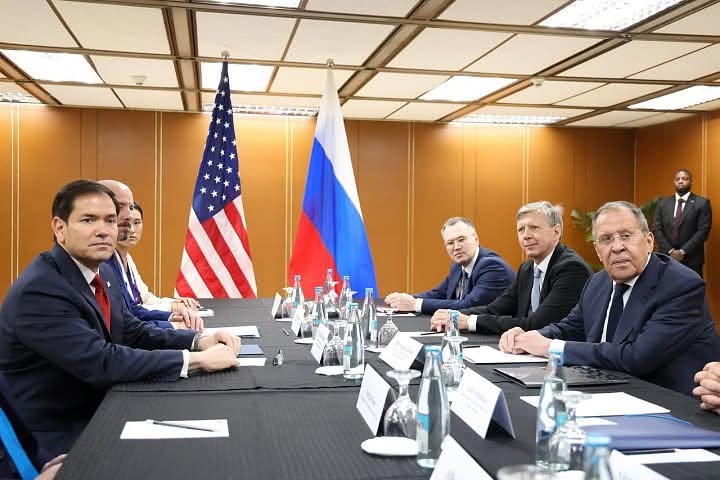
The Kremlin does not even hide its plans. On April 12, at the Antalya Diplomacy Forum, Russian Foreign Minister Sergey Lavrov stated that Odessans are “deprived of rights,” but “forgot” to mention that the Russian army has been bombing this beautiful city for three years, disregarding the lives of civilians.
The Black Sea as a Conflict Zone
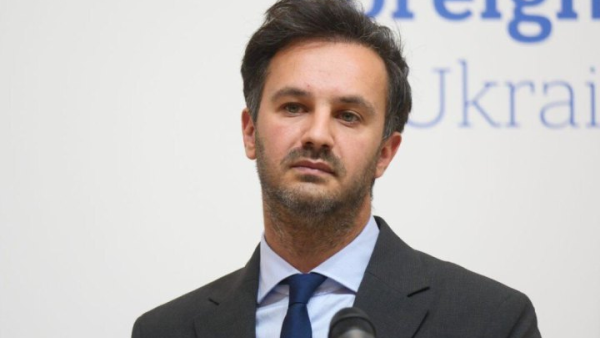
Simultaneously with Lavrov’s speech, a panel titled “Black Sea Security from the Perspective of Coastal Allies” was taking place at the forum. The panel speakers were representatives of countries for whom the security of the Black Sea and its ports is an important issue: Emil Hurezeanu – Minister of Foreign Affairs of Romania, Georgi Georgiev – Minister of Foreign Affairs of Bulgaria, Zeki Levent Gümrükçü – Deputy Minister of Foreign Affairs of Turkey. They discussed threats to the region, including drifting mines and Russian aggression.
I have asked all three speakers a question about “Russian Odessa” in light of the Russian side’s statements: “I am asking because recently, on April 9 and even today, at the event next door, Sergey Lavrov claimed that “Russians built Odesa,” which prompted serious international criticism. Meanwhile, Odesa’s mayor, Gennadiy Trukhanov, has stood very firmly for Odesa’s culture and security. Regional security is a central theme in this forum right here (at the Antalya Diplomacy Forum). In light of this, I ask: how do you view the importance of defending Odesa today, from both a strategic and symbolic perspective?”
The Allies’ Position: Odessa is Part of Europe

☛ Emil Hurezeanu (Minister of Foreign Affairs of Romania) presented a historical argument: “I warmly recommend that you read Dan Diener’s book on the Black Sea and Odesa. It was written in the early 90s and published in several languages. He notices that the film by Sergei Eisenstein was filmed in Odesa, where the steps are—where the theater, I think the National Theater, is in Odesa, with the huge steps coming down to the sea. He said that there is the beginning of the Atlantic, of the Mediterranean culture, starting there in Odesa and finishing not far from Naples, where there are similar steps climbing up. So, between the steps coming down in Odesa and those in Naples climbing up, there lie the borders of what is called Europe. Well, Odesa is strategically important for the Republic of Moldova, for Ukraine, for Romania, for NATO, for almost everyone. For the time being, I don’t see an imminent danger for Odesa. And I think the Ukrainians know much better than we do how to defend this southern Ukrainian region.”
The minister also spoke about a conversation about Odessa that took place last week at NATO headquarters. The Minister of Foreign Affairs of Latvia asked a rhetorical question to the Minister of Foreign Affairs of Turkey: “whether they would ever accept that the northern shore of the Black Sea entirely belongs to the Russians, with Odesa becoming a central point on a new Russian shore?” According to the head of Romanian diplomacy, the answer was unequivocal—no. He made it clear that both his country and Turkey would oppose “this kind of new strategic transformation.”

☛ Georgi Georgiev (Minister of Foreign Affairs of Bulgaria) emphasized: “We have a very big, beautiful Bulgarian community, a historical community in Odesa. And I can assure you that nobody in Odesa wants to be part of Russia. So these claims are absolutely baseless. Of course, the Russian Federation considers the whole Ukrainian territory as theirs. But especially for Odesa, I can say that despite it being the pearl of Ukraine and everything my colleague already mentioned about the historical significance of this city, the people who live there are among the strongest opponents of what is now happening. They are the ones battling and struggling the most against Russian aggression. And I think that’s the most fundamental thing: the humanitarian factor, the human factor, the human being factor, which is opposing Russian aggression..”

☛ Zeki Levent Gümrükçü (Turkey) added: “I fully agree with both ministers. But I would go even further than that. It’s not a matter of Odesa or Kharkiv or this city or that city. We have all here underlined and stressed many times our full and strong commitment to Ukraine’s territorial integrity and sovereignty. You know how many times our president, President Erdogan, has stated everywhere that Turkey supports Ukraine’s territorial integrity and sovereignty within its internationally recognized borders. So, I think that won’t change unless Ukrainians tell us otherwise. Therefore, we will maintain our position.”
☛ George Adrian Scutaru (General Director of New Strategy Center (NSC) from Romania) noted: “Yes, it is very important to support Ukrainian territorial integrity. Perhaps someone nearby can understand this better (referring to Lavrov in the neighboring room).”
Odessa is a Red Line
As recent events have shown, the West has made it clear: Russia’s attempts to annex Odessa will meet with strong resistance. The city remains not only a strategic port but also a symbol of resistance—for both Ukraine and its allies.