The selection process for a new NATO Secretary General has reached a conclusion. Hungary, the final holdout, has agreed to the appointment of Mark Rutte, the Prime Minister of the Netherlands.
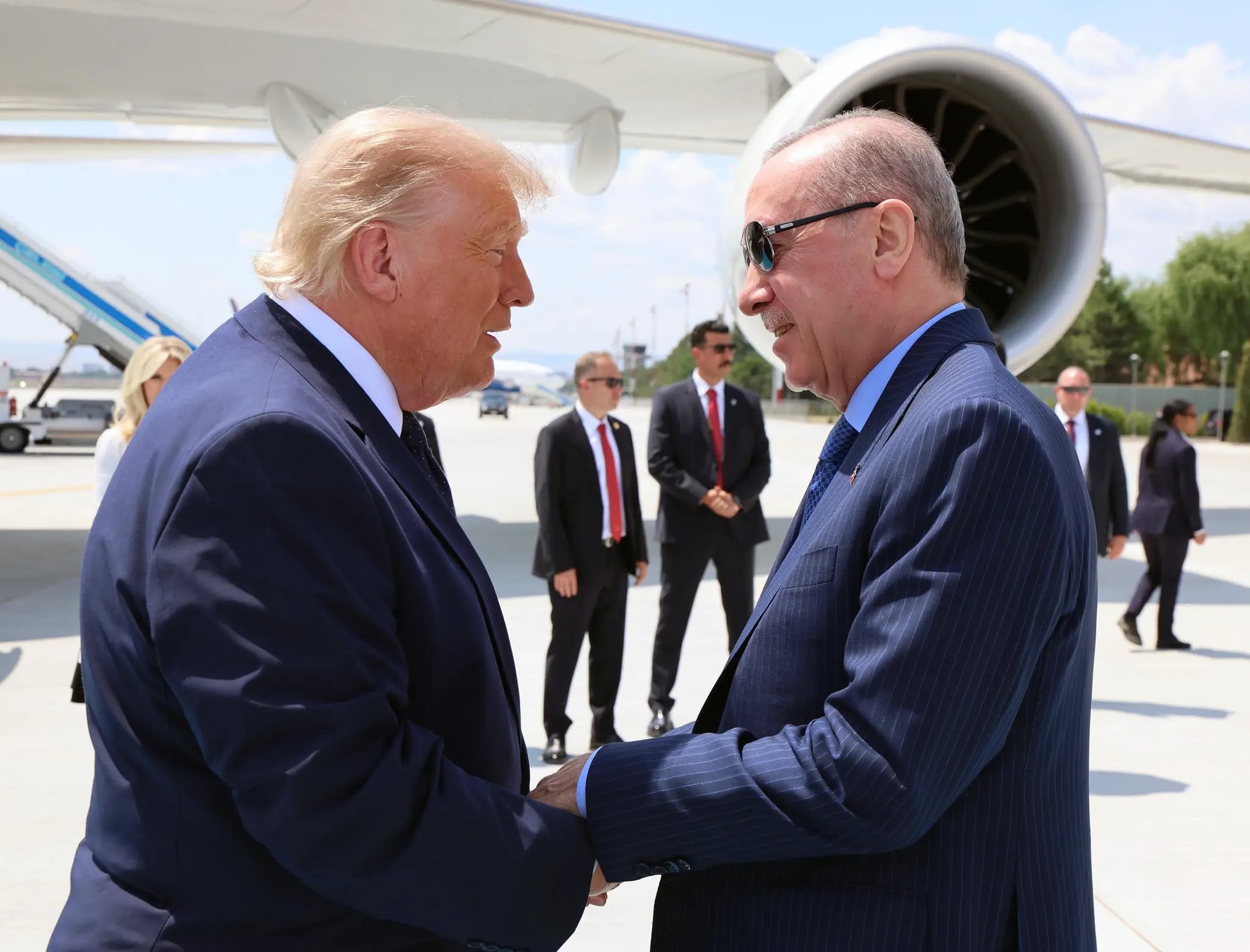
Following a discussion between Mark Rutte and Hungarian Prime Minister Viktor Orbán, Hungary has lifted its objections. Orban confirmed this development on X, sharing the news alongside a letter from Rutte and a photograph of the two leaders.


Hungarian Prime Minister Viktor Orbán emphasized the importance of ensuring the new NATO Secretary General would honor an agreement with the current Secretary General, Jens Stoltenberg. This agreement stipulates that Hungary will not engage in NATO activities in Ukraine or allocate Hungarian funds to support them.
Orbán highlighted that during their meeting in Brussels on June 17, Mark Rutte assured him that these terms would be upheld. Rutte also committed to treating “all Alliance members with the same level of understanding and respect.”
“In light of his pledge, Hungary is ready to support Prime Minister Rutte’s candidature for the post of NATO Secretary General,” Orbán stated on X.
Simultaneously, the Dutch national media outlet NOS, citing its sources, reported that Romanian President Klaus Iohannis, also a candidate for the NATO Secretary General post, would soon withdraw his candidacy.
The publication earlier noted that U.S. Ambassador to NATO Julianne Smith expressed “full confidence” that Stoltenberg’s successor would be appointed in the coming weeks, ahead of a summit in Washington scheduled for July 9 to 11. “The momentum for this is building,” she told the press on the eve of the NATO defense ministers’ summit in Brussels.
Under NATO’s charter, Hungary is permitted to take an exclusive position on the Ukraine issue. Stoltenberg provided assurances to Orbán last week.
NEWSROOM IN notes that the selection of a secretary general in the Alliance is a process of agreement among all allies. Negotiations about this can last for years and no one talks about them openly at the official level. Usually, there are hints in the press, citing sources, about which candidate is preferable for one or another country. The repeated extension of the mandate of Jens Stoltenberg, for whom no replacement could be found, is proof of this. Actually, there is no diplomat of Stoltenberg’s level.
However, Mark Rutte has persuaded NATO allies that he is a worthy successor. Reports as early as April indicated that Rutte’s candidacy was favorable to most Alliance members.
Viktor Orbán opposing Mark Rutte
Hungary was the only country that openly opposed Mark Rutte, with its leadership expressing strong disapproval.
In particular, Viktor Orbán said a fortnight ago that for Hungary, there is no “Western politician with a worse reputation than Mr. Rutte.” Orbán recalled phrases that he claimed Hungarians would never forgive. “Firstly, he said that Hungarians should be excluded from the European Union and then that Hungary should be brought to its knees. With such a position, it is difficult to get among the candidates Hungary supports,” the prime minister emphasized.
At the time, Orbán also remarked that Rutte should address the situation, suggesting that he come out and make a statement.