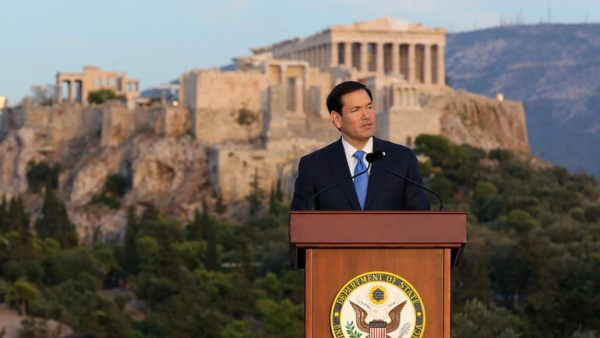
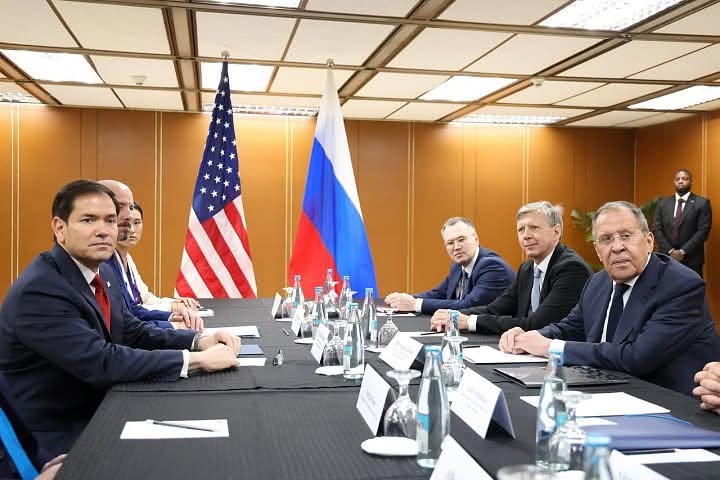
U.S. Secretary of State Marco Rubio has officially refuted claims regarding security guarantees following statements by Ukrainian President Volodymyr Zelenskyy that Washington is conditioning support on troop withdrawals (video Clash Report). Rubio issued the denial to journalists following a meeting of G7 foreign ministers in France.
The public dispute
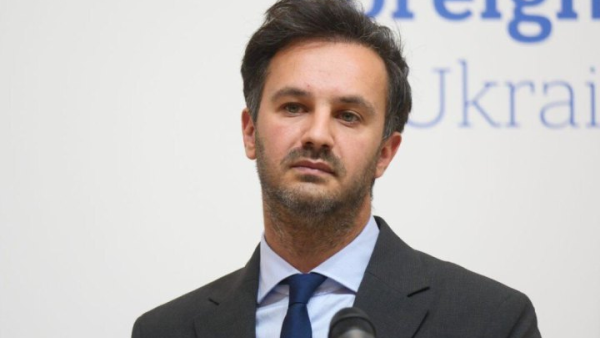
The reaction from Washington followed a March 25 interview given by Volodymyr Zelenskyy to Reuters. In that interview, the Ukrainian leader claimed that the American side was prepared to finalize a security guarantees agreement “as soon as Ukraine is ready to withdraw troops from Donbas.”
Zelenskyy argued that such a move would jeopardize the security of all of Europe. He suggested that pressure from the Donald Trump administration is driven by a desire to quickly end the conflict in Ukraine so the U.S. can focus on its confrontation with Iran.
Washington’s response: Mediating, not demanding
Marco Rubio expressed disappointment with the Ukrainian president’s comments. He stated that the actual position of the United States had been distorted.
“That’s a lie. I saw him say it, and it’s unfortunate that he spoke like that, because he knows it’s not true and that he was told something else entirely,” the U.S. Secretary of State said.
Rubio explained that American diplomats merely relayed the requirements insisted upon by the Russian side to Kyiv, but did not call for their fulfillment. He emphasized that Washington’s role is strictly as a mediator attempting to identify the desires of both parties and find potential compromises. The final decision remains with Ukraine. Rubio noted that if Kyiv does not wish to make concessions, the war will continue, and the U.S. has no right to make that choice for Ukrainians.
The timing of security guarantees
Rubio also clarified the technical and political nature of the security guarantees at the center of the dispute. He stressed that the mechanism is not linked to demands for territorial concessions. Instead, it is based on the U.S. desire to avoid a direct military confrontation with Russia.
“What are security guarantees? They are troops ready to intervene and provide protection. If you deploy them now, that would mean direct entry into the war. It was very clearly explained to him [Zelenskyy] that guarantees are provided only after the war ends, not in exchange for surrendering territories,” Rubio summarized.
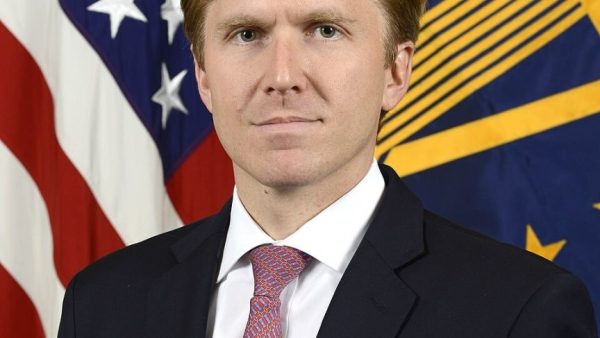
NEWSROOM IN notes that Jared Kushner recently indicated that the Ukraine peace process is already in an active structuring phase. Discussions have moved toward specific elements of a future deal. However, the final outcome remains dependent on political will and the ability of the parties to accept compromises that will be difficult for all involved.
According to some experts and discussions at the summit, the most realistic scenario suggests that the Ukraine negotiation track may enter an active phase after the broader regional context is addressed. This primarily concerns the situation involving Iran, which remains a key factor influencing Washington’s strategic priorities.