On June 15, 2026, the European “Big Four” — France, the United Kingdom, Germany, and Italy — issued a joint statement welcoming the US-Iran deal and the memorandum between Washington and Tehran. The European leaders officially congratulated the US and Iranian governments and called for the swift implementation of the agreement, which is scheduled to be officially signed on Friday, June 19, in Geneva. Although four days remain before the signing and situations in the Middle East can change quickly, Brussels and Paris currently view the deal as an opportunity to stabilize the global economy.
The Strait of Hormuz Ultimatum and European Fleet Deployment
The primary practical interest of European capitals is the immediate reopening of the critical Strait of Hormuz. France and the United Kingdom have announced that their naval forces are fully prepared to escort merchant vessels. Europe is deploying an independent defensive mission in the primary Middle Eastern shipping lane. The mission aims to guarantee absolute freedom of navigation without duties or restrictions, as well as to conduct minesweeping operations.
US-Iran Deal: Sanctions Relief in Exchange for Nuclear Control
Unlike the Israeli leadership, which expressed deep skepticism, European powers took a pragmatic approach to Iran’s nuclear program. The joint communiqué clearly established a “red line”: Tehran must never acquire nuclear weapons. However, the four nations expressed readiness to work closely with Iran and the IAEA, promising to begin lifting economic and political sanctions in phases in exchange for transparent and verifiable steps by the Islamic Republic to dismantle its nuclear and ballistic missile programs.
The Lebanese Knot and Safeguarding Beirut’s Sovereignty
The European allies paid close attention to the situation in Lebanon, a move that directly conflicts with Israel’s plans to continue operations in border areas. France specifically emphasized the need for a strict and long-term ceasefire. Paris, Rome, London, and Berlin declared their full support for official Beirut, stating that only the sovereign Lebanese government and its regular military have the right to control the country’s territory. Europe plans to play an active role in a long-term diplomatic settlement, establishing a regional security framework regardless of Jerusalem’s stance.
US-Iran Deal Statements from Japan and Canada
In an official statement on Monday morning, Japanese Prime Minister Sanae Takaichi described the memorandum as the result of persistent and pragmatic efforts by all negotiators. Tokyo is highly interested in commodity market stability. Consequently, Takaichi specifically emphasized the importance of uninterrupted and safe commercial shipping through the Strait of Hormuz, expressing hope for a swift final agreement on Iran’s nuclear program.
Canadian Prime Minister Mark Carney also officially welcomed the de-escalation, stating that the agreement demonstrates the ineffectiveness of military force in resolving global crises. As a practical contribution, Ottawa announced its readiness to deploy the Royal Canadian Navy, including specialized mine clearance teams and underwater drones, to secure the strait under NATO auspices once the peace agreement officially takes effect.
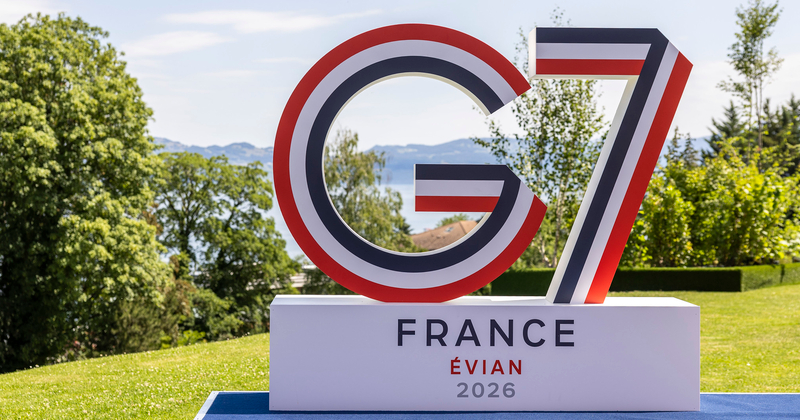
NEWSROOM IN notes that the situation in the Middle East and the peace agreement will be among the key topics at the G7 summit, which began on June 15 in Evian, France. Leaders from the world’s largest economies — France, the United Kingdom, Canada, Germany, Italy, and Japan — will participate in various meeting formats, alongside invited leaders and politicians from India, Brazil, Ukraine, and other nations.