Estonian officials have reacted sharply to recent public statements by Ukrainian President Volodymyr Zelenskyy regarding the Russian threat. The Ukrainian leader’s suggestion that Russia may be preparing an attack on the Baltic States was viewed in Tallinn not as a helpful warning, but as dangerous speculation that benefits Russian propaganda, according to ERR.
Zelenskyy’s Statements: Mobilization and NATO Doubts
The diplomatic friction followed an interview Zelenskyy gave during a national telethon. The President of Ukraine suggested that current internet restrictions in Russia are linked to preparations for a large-scale mobilization rather than internal censorship. He estimated that this mobilization could be used to organize a massive attack against either Ukraine or the Baltic States.
Furthermore, Zelenskyy publicly questioned the North Atlantic Alliance’s resolve. When asked about the application of NATO Article 5 on collective defense, he stated that not all member countries would want to support the Baltics in the event of a real attack, though he added that the alliance would ultimately have “no choice” but to act, or it would cease to exist.
MFA and Estonian Intelligence: No Russian Threat at the Borders
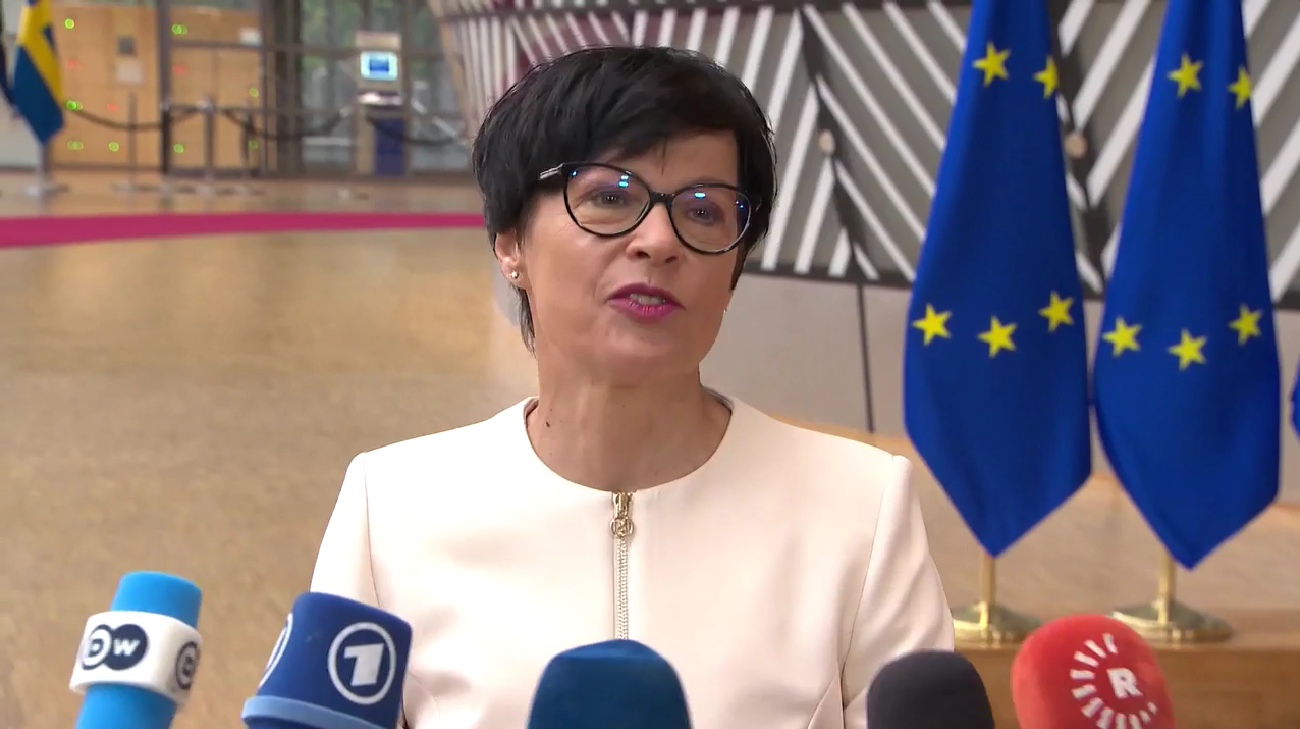
Tallinn’s official response to Zelenskyy’s claims was firm. Estonian Foreign Minister Margus Tsahkna stated that such comments from an ally do not facilitate bilateral cooperation and do not correspond to reality.
According to Estonian intelligence services, the current threat assessment is different: Russia is not concentrating troops at the alliance’s borders and is not making military preparations for an attack on NATO. Furthermore, Tsahkna noted that Russia is currently in a weakened position both on the Ukrainian front and economically. The Minister also assured that NATO would respond “absolutely” in the event of an attack, despite campaign-related criticism of the alliance by Donald Trump in the U.S.
Mihkelson’s Position: Undermining Trust via the Media
Marko Mihkelson, Chairman of the Parliamentary Foreign Affairs Committee, also criticized Kyiv’s media strategy. He noted that the Ukrainian leadership regularly uses the “you are next” narrative to exert pressure on Europe.
In Mihkelson’s view, such messages directly feed the Russian narrative by creating a false image of Russia winning and the West retreating. The Estonian lawmaker emphasized that if Kyiv has actual intelligence on threats, it should be shared through secure communication channels rather than the press. He stated that Zelenskyy’s public doubts undermine trust in NATO’s Article 5 as much as the controversial statements made by Donald Trump.
This situation continues a long-standing issue. Previously, politician Katri Raik noted that the question “Is Narva next?” posed by Western journalists has created unnecessary tension for years, comparing rumors of a non-existent “Narva People’s Republic” to “spoiled herring.”
Opposition View: Fear as a Tool
Martin Helme, leader of the Conservative People’s Party (EKRE), believes Zelenskyy uses such alarming statements solely to create an emotional atmosphere intended to push Western allies into providing more military equipment.
However, Helme also placed part of the responsibility on Estonian diplomats. He accused the ruling Reform Party of deliberately fueling panic about Russia since the beginning of the conflict. According to the opposition politician, this narrative was used by the Estonian authorities for an internal agenda—to justify unpopular tax increases and demonize political rivals as “Kremlin henchmen.” Helme concluded that endless fear-mongering fails to improve real defense capabilities and turns into mere rhetorical attacks.
NEWSROOM IN notes that in early April this year, Lithuanian Prime Minister Inga Ruginienė urged the public not to listen to “gossip” from Kyiv regarding Russian drones. This referred to drone incidents in March 2026 that violated the airspace of Lithuania, Latvia, and Estonia. Ukrainian Foreign Minister Andrii Sybiha subsequently claimed that Russia was intentionally directing drones toward the Baltic States and Finland for information operations.
According to the Lithuanian head of government, the drone incident in the Varėna district was not a Russian provocation. An investigation revealed the fallen device was a Ukrainian drone that went off course during a night attack. Ruginenė emphasized that Lithuanian services clearly recorded the unintentional nature of the incident and urged trust in official reports from professionals rather than loud diplomatic statements.