A contest for the coveted job of Secretary General has formed inside NATO, with four prominent contenders now under consideration. Dutch Prime Minister Mark Rutte, Estonian Prime Minister Kaja Kallas, Latvian Foreign Minister Krišjānis Kariņš, and European Commission President Ursula von der Leyen have all been identified by media outlets within the Alliance’s member states.
While three of the candidates have explicitly expressed their desire to lead NATO following the impending departure of Secretary General Jens Stoltenberg, Ursula von der Leyen’s potential candidacy remains uncertain, as she has yet to declare her intentions amid speculation. All candidates share a common aspiration to contribute to global peace.
The election of the NATO Secretary General is tied to political arrangements among Alliance members, requiring a balance of political weight, experience, and approval from key players, particularly the United States.
Notable Developments and Candidates

Prior to the NATO summit in Vilnius, rumors circulated that British Defense Minister Ben Wallace, a prominent contender, was allegedly blocked by U.S. President Joe Biden. Though various reasons were cited, Wallace did not assume the role of NATO Secretary General, ultimately exiting British government and politics shortly after the summit.
Krišjānis Kariņš: A Latvian Contender

Krišjānis Kariņš, currently Latvia’s Minister of Foreign Affairs, stands out among the candidates. Having served in various capacities, including as Latvia’s Prime Minister, Kariņš has extensive experience in managing international processes. Latvian President Edgars Rinkevics endorsed Kariņš, highlighting his suitability for the Secretary General position. Rinkevics highlighted an important argument in favor of Kariņš: the Baltic States and Poland allocate over 2% of GDP to defense, aligning with the U.S. stance on defense spending within the Alliance.
Mark Rutte: A Favorable Candidate

Dutch Prime Minister Mark Rutte is considered a favorite in the race, according to POLITICO. However, concerns have been raised regarding the Netherlands’ commitment to spending 2% of GDP on defense, with Senator Dan Sullivan expressing frustration over the country’s performance in NATO burden sharing.
Kaja Kallas: A Woman Candidate with Challenges

Estonian Prime Minister Kaja Kallas, a contender and advocate for increased defense spending, faces challenges due to controversies surrounding her husband’s business dealings and criticism for perceived inadequacies in supporting Ukraine against Russia.
Ursula von der Leyen: A Strong Candidate with Concerns

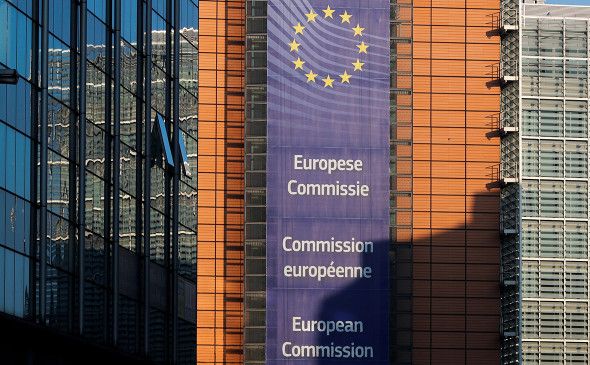
European Commission President Ursula von der Leyen emerges as a strong candidate with positive rapport with the United States. However, potential obstacles include the possibility of a second term as head of the European Commission, past controversies during her service as German Defense Minister, and legal processes linked to vaccine procurement contracts.
As NATO Secretary-General’s term comes to an end, the Alliance faces the issue of identifying a successor of equal strength. Whether the current silent competition among the candidates will yield a worthy successor remains uncertain.
NEWSROOM IN notes that the last contract of NATO head Jens Stoltenberg ends on 1 October 2024. It has already been extended several times, the last one this year. The Alliance partners have been trying to find a candidate equal in strength to Jens Stoltenberg since 2018. Whether they will succeed this time is unknown.