Escalation of Rhetoric on the Verge of Peace Talks
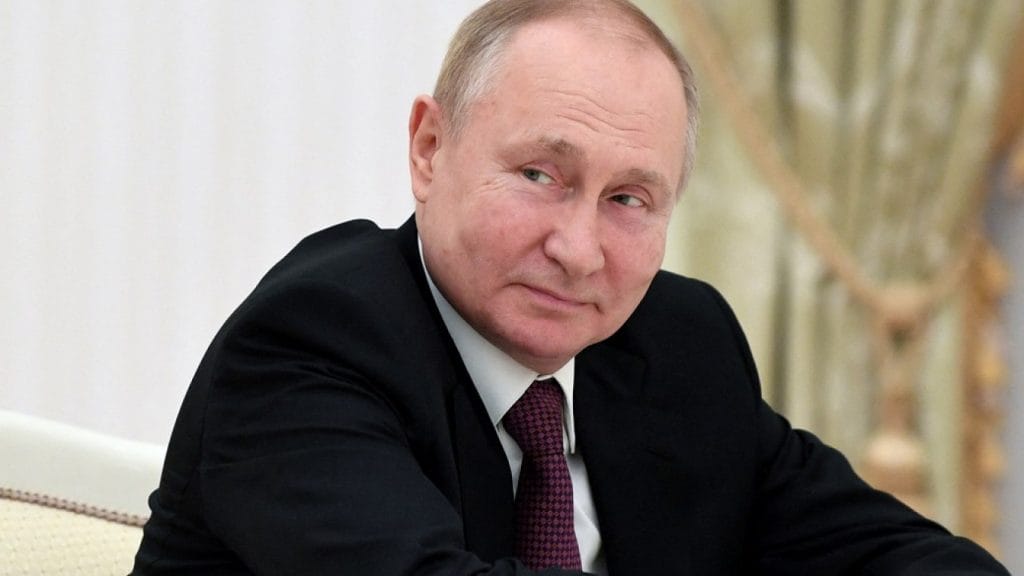
Just as cautious discussions about resuming peace talks between Russia and Ukraine began to emerge, warnings of a potential war with Europe resurfaced amid a wave of tough rhetoric. On October 29, 2026, speaking at a press conference following the Russia-Africa Summit in Moscow, Russian President Vladimir Putin commented extensively on a potential direct military clash with Europe, while the Kremlin closed the door on European diplomats attending future talks.
The remarks were prompted by frequent statements from Western analysts and military officials arguing that NATO and the European Union must prepare for a potential conflict with Moscow by 2030. The Kremlin responded with a display of strength paired with declared peaceful intentions, raising the stakes rather than de-escalating amid reviving diplomatic discussions.
Readiness for War with Europe by 2030 and No Victors
Commenting on discussions about the militarization of European economies, the Russian president called the concept of preparing for large-scale conflict by the end of the decade a mistake.
“All many people talk about is preparing for war by 2030. Is that right? No. First of all, we are ready, but we do not want any war with Europe. If anyone there wants one, let them prepare,” Putin said.
He argued that the idea of inflicting a “strategic defeat” on Russia has already failed and will not work by 2030, warning of fatal consequences: “If things go too far, there will be no victors at all.”
He said Russia remembers the catastrophes of both world wars and is doing everything possible to prevent a third, urging opponents not to gamble with a nuclear scenario.
A “Second Persian Gulf”
Putin also addressed the tense situation surrounding navigation in the Baltic Sea, comparing it directly to the crisis in the Middle East. According to him, Russia supports compliance with international maritime law but will not tolerate blockades of trade routes or warships.
“Otherwise, the situation will resemble what happened in the Strait of Hormuz. Does anyone want the Baltic to end up like the Persian Gulf or the Strait of Hormuz? We do not want that, but we will respond to any challenge,” he warned.
Talks in Abu Dhabi
Alongside military warnings, the Kremlin targeted the EU’s diplomatic ambitions. Presidential press secretary Dmitry Peskov stated that Russia strongly opposes the presence of the European Union as an institution at the upcoming trilateral round of talks in Abu Dhabi, United Arab Emirates, where only delegations from Russia, the United States, and Ukraine have been invited.
Peskov described the EU leadership’s stance as “provocative” and aimed at “fueling the conflict,” adding, “We do not need such participants.” According to the Kremlin, the European Union has supplied weapons to the conflict zone and become a full party to the confrontation, disqualifying it from serving as an impartial mediator. Presidential aide Yuri Ushakov was even more blunt, remarking that Europeans “can get there if they buy tickets, but no one is going to invite them to the table.”
A Strategy of Dividing the EU
While snubbing supranational officials from the European Commission, Moscow has not shut the door on dialogue with individual European nations, preferring one-on-one discussions.
As an example of this approach, Putin cited recent phone conversations with Finnish President Alexander Stubb and Norwegian Prime Minister Jonas Gahr Støre, noting that the calls took place at their initiative: “I know criticism followed against them, but it is not our place to judge whether that was right or wrong. I think it was right. After all, there are people in Europe who do not want to inflict a strategic defeat on Russia, unlike others, but want to establish a constructive dialogue.”
Preventing a Direct War with Europe
Moscow is signaling to European capitals that regional security issues and unblocking maritime corridors will have to be addressed directly.