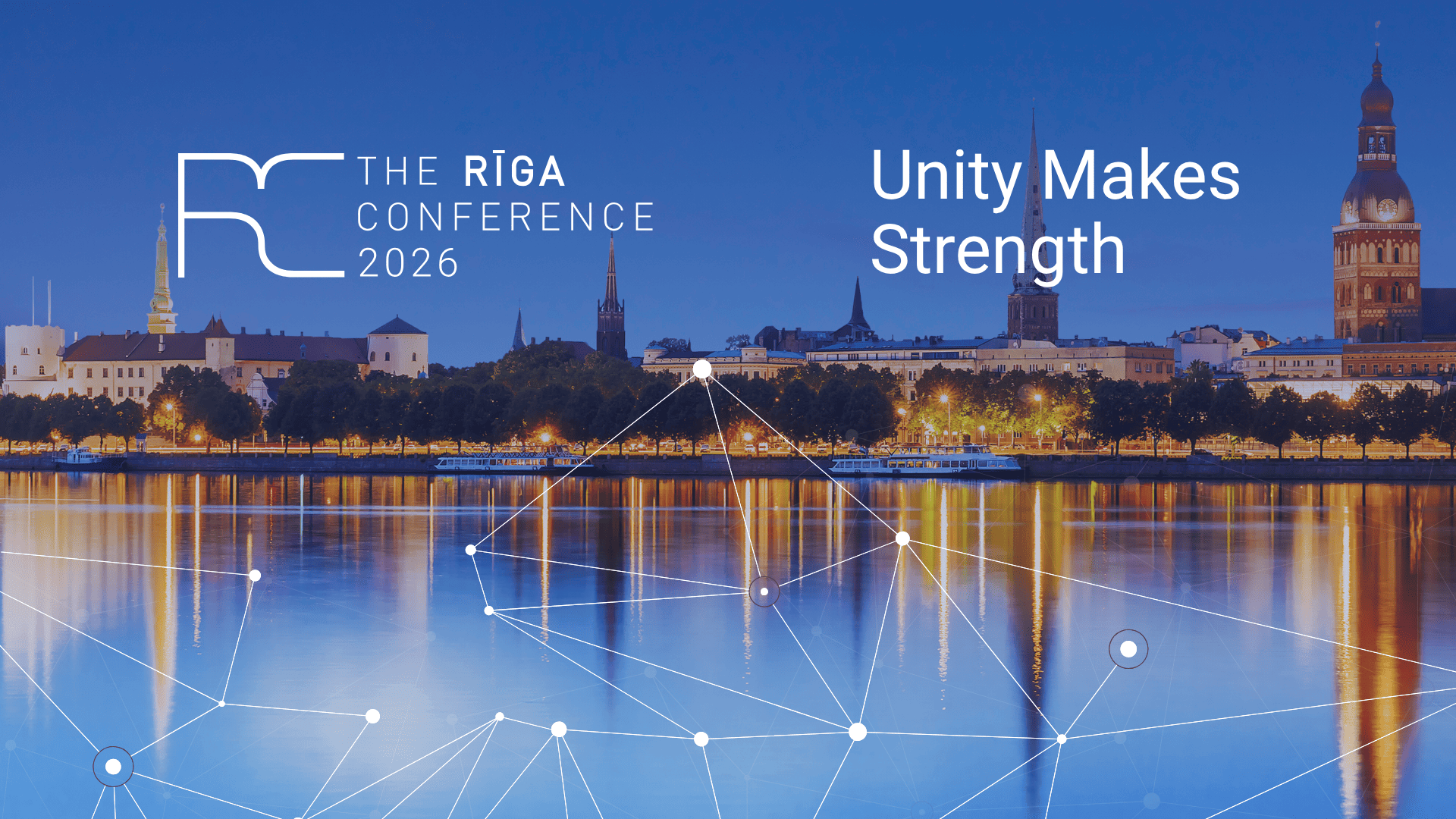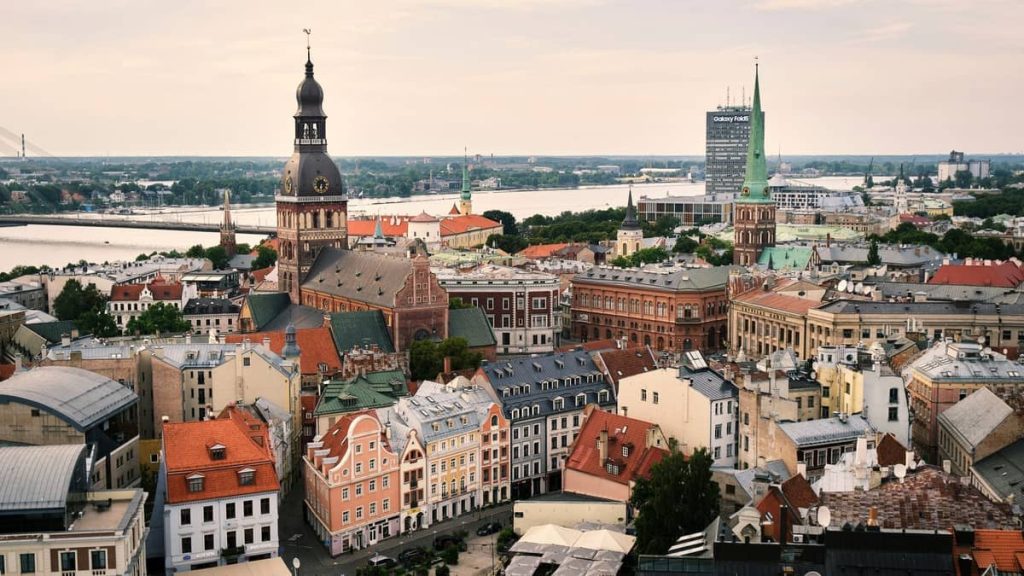
From September 10 to 11, 2026, the Latvian capital will host the region’s largest security forum, The Rīga Conference 2026. At the National History Museum of Latvia, more than 400 participants from 40 countries—including government ministers, NATO representatives, diplomats, and policy experts—will discuss strengthening Europe’s economic resilience, formulating a unified response to Russia’s geopolitical alliance with Iran and the DPRK, and transitioning from political dialogue to concerted action.
The Rīga Conference 2026: Key Speakers
The conference will be opened by President of Latvia Edgars Rinkēvičs, while the concluding sessions will be hosted by Prime Minister Andris Kulbergs and the leadership of the Latvian Transatlantic Organisation (LATO). Among the forum’s key speakers are Latvian Foreign Minister Baiba Braže, US Ambassador to the EU Andrew Puzder, NATO Deputy Secretary General Radmila Šekerinska, NATO Senior Representative to Ukraine Patrick Turner, Inspector General of the Bundeswehr Carsten Breuer, and Executive Director of the EU Agency for Cybersecurity (ENISA) Juhan Lepassaar.
Integrating Ukrainian Battlefield Experience into NATO Defense
At the core of the military agenda is the systematic incorporation of Ukraine’s battlefield lessons into alliance force planning. Latvian Minister of Defense Raivis Melnis and German Chief of Defense General Breuer, alongside other speakers, will assess NATO’s readiness for future conflicts. Particular emphasis will be placed on the rapid operational adaptation of civilian and military technologies, engagement with defense industry contractors, and enhancing deterrence capabilities on the eastern flank.
Cognitive Threats
As conventional military aggression is increasingly coupled with sophisticated destabilization tactics, experts will examine strategies to counter cognitive warfare, disinformation campaigns, and cyberattacks. Director of the NATO Strategic Communications Centre of Excellence Jānis Sārts and ENISA leadership will present an analysis of mechanisms designed to safeguard critical infrastructure. In addition, Carnegie Russia Eurasia Center Director Alexander Gabuev and opposition politician Vladimir Milov will assess domestic political developments within Russia and their long-term implications for global stability.
Rīga Business Forum
Ahead of the main proceedings, the Rīga Business Forum will convene at the University of Latvia on September 9. Financial sector leaders and policymakers will evaluate the impact of the prevailing geopolitical climate on commercial operations and supply chain security. Deliberations will center on access to European Union capital, the scaling of dual-use technologies, and public-private partnership frameworks aimed at enhancing regional competitiveness.