The Iran War, which began in February, has reached a critical turning point. In just six weeks, the conflict has expanded from a local clash to involve over a dozen nations, including Israel, Lebanon, Syria, Iraq, Yemen, the United States, and European allies whose commercial shipping faces constant attacks. The situation is exacerbated by a political vacuum within Iran, where many top government and military leaders have been eliminated. Iran’s new Supreme Leader has not appeared in public, and his exact location and condition remain unknown.
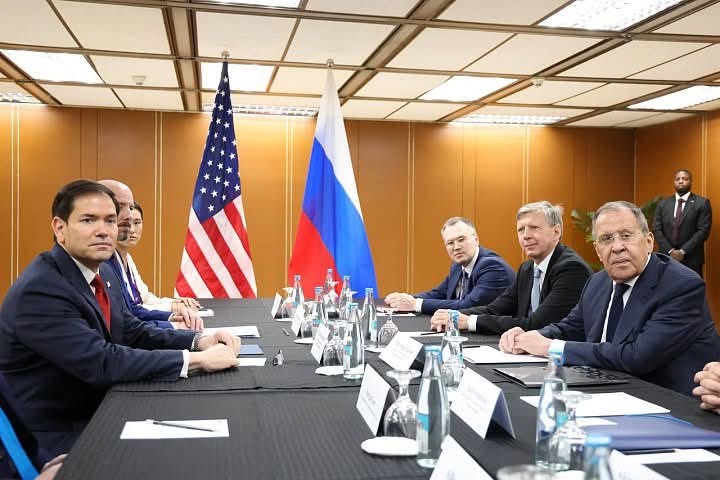
Against this backdrop of destruction and political instability, the warring parties are attempting to establish a basis for dialogue. Through mediators, the U.S. and Iran recently exchanged draft peace agreements. However, an analysis of these documents by The New York Times and The Wall Street Journal suggests that both sides have entered negotiations with demands that amount to the total capitulation of their opponent.
Iran War: Disarmament vs Nuclear Energy
The American peace proposal consists of 15 points and requires Tehran to surrender its primary strategic assets. Washington is demanding the total dismantlement of the Iranian nuclear program. Under the plan, the Islamic Republic must stop enriching uranium and physically destroy key facilities, including research centers and plants in Natanz, Fordow, and Isfahan. The U.S. further requires all stockpiles of highly enriched fuel to be transferred to the control of the IAEA.
Beyond nuclear disarmament, the U.S. proposal seeks severe restrictions on Iranian ballistic missiles. A primary political condition is the complete cessation of Iranian funding and support for regional proxy groups, including the Houthis in Yemen, Hamas in Gaza, and Hezbollah in Lebanon. Iran would also be required to guarantee unrestricted shipping through the Strait of Hormuz. In return, Washington offers to lift all sanctions and provide assistance in completing the Bushehr nuclear power plant.
Strait Control and Reparations
Tehran’s counter-proposals are equally radical. The Iranian leadership and the IRGC are demanding full compensation from the U.S. and its allies for all war-related damage, though no mechanism currently exists to assess such claims.
Iran’s strategic goal is the formal legalization of its control over the Strait of Hormuz. Tehran seeks the international right to charge transit fees for commercial vessels, similar to Egypt’s control over the Suez Canal. Additionally, the Islamic Republic demands non-aggression guarantees from the U.S. and Israel, along with an immediate end to Israeli military operations in Lebanon. Finally, Iran insists on the closure of all U.S. military bases in the Middle East, including those in Kuwait, Saudi Arabia, Syria, and Iraq. While demanding the removal of sanctions, Tehran intends to keep its missile program intact.
A Maximalist Deadlock
The exchange of these proposals indicates that both sides currently believe they are in a position of strength. These incompatible demands make the prospect of direct peace negotiations highly unlikely in the near term.
Israel’s Skepticism
As Washington and Tehran exchange these ultimatums via Pakistani and Arab intermediaries, Israel is watching the process with deep distrust. For Jerusalem, the Iran War is an existential issue, and the Israeli leadership is not prepared to rely on the diplomatic efforts of the American administration.
Diplomacy Under Close Monitoring
Israel understands Donald Trump’s desire to end the conflict quickly to stabilize energy markets and secure a foreign policy victory. Diplomatic sources state that Prime Minister Benjamin Netanyahu is in constant contact with the White House. To ensure that national security interests are not sacrificed for a quick peace deal, Netanyahu has assigned his advisor Ron Dermer to monitor the process. Dermer is tasked with reviewing every proposal the U.S. transmits to Iran and Lebanon.
Doubt Over Concessions
Despite Washington’s claims of progress, Israeli political and intelligence circles remain skeptical. Israeli leaders do not believe Tehran is ready to make the radical concessions the U.S. is seeking. Jerusalem views the hope that the current Iranian leadership will voluntarily dismantle plants in Natanz and Fordow or stop funding Hezbollah as unrealistic.
Military Operations Continue
While diplomats exchange paperwork, the Israel Defense Forces (IDF) are not slowing down. The state’s official position remains that military operations will not cease for the sake of negotiations. Jerusalem has signaled to Washington that it will not oppose diplomacy if it leads to the total surrender of Iran’s nuclear program, but until then, Israeli aircraft and missiles will continue their missions in this ongoing Middle East conflict.