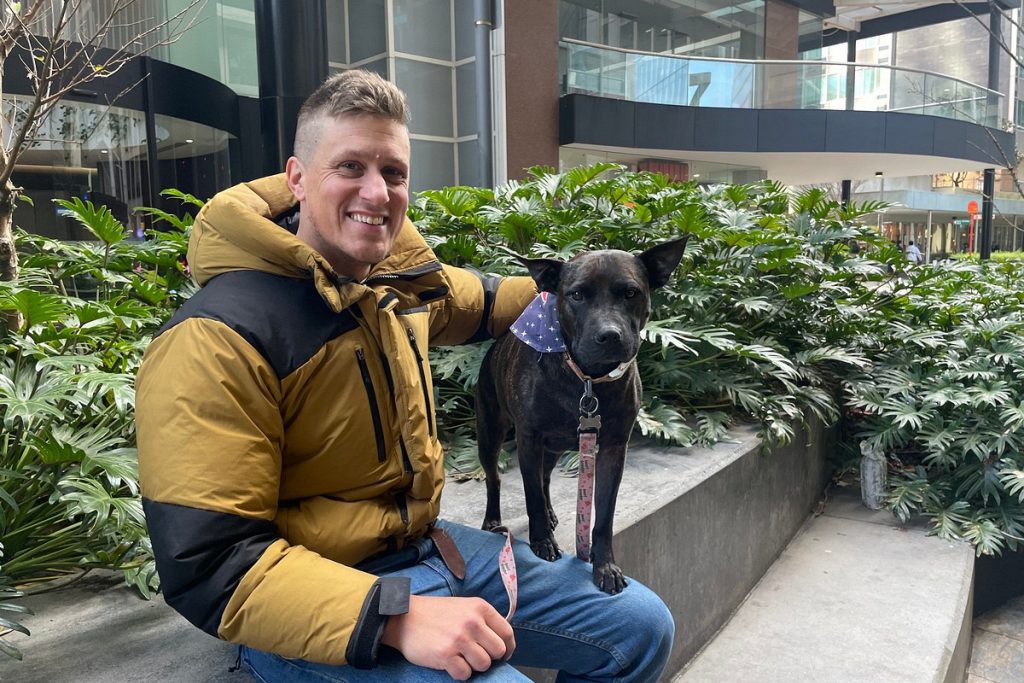
Australian IT entrepreneur Paul Conyngham has utilized artificial intelligence tools, including ChatGPT and AlphaFold, to develop a personalized cancer vaccine for his dog, Rosie. After conventional treatments such as chemotherapy and surgery proved ineffective, Conyngham — who has 17 years of experience in data science and machine learning — turned to advanced biotechnology. The experimental therapy has already led to significant regression of the disease.
Developing the Personalized Cancer Vaccine with AI
The creation of the vaccine required close interdisciplinary collaboration between the IT specialist and the scientific community. Conyngham employed AI at key stages of the research, from conceptualization to modeling protein structures.
According to The Australian, the project proceeded as follows:
- Defining the treatment path. ChatGPT proposed the concept of therapeutic mRNA vaccines as a potential method for treating multiple tumors.
- Genome sequencing. Conyngham commissioned a full DNA analysis of the animal at the University of New South Wales (UNSW) Genomics Centre at a cost of $3,000.
- Target identification. Using the genetic data, ChatGPT helped draft the development plan. Conyngham then used AlphaFold, Google DeepMind’s AI system, to identify mutated proteins that could serve as targets for an immune response.
- Synthesis. Conyngham partnered with chemist Pall Thordarson, director of the UNSW RNA Institute, to synthesize the necessary mRNA sequences and produce the final vaccine.
- Regulatory approval. The process of obtaining official ethical clearance for the experimental vaccine took three months.
Clinical Results and Significance
Following the approval of the treatment protocol, the dog received two injections spaced one month apart. Clinical observations showed positive progress, with the size of most tumors decreasing — some by half. Conyngham is currently developing a second version of the vaccine targeting the specific genetic sequences of tumors that proved most resistant to the initial therapy.
According to Conyngham, this marks the first documented case of a personalized anti-cancer vaccine created for a dog. The case demonstrates how integrating mRNA technology with machine learning algorithms can accelerate personalized medicine projects. In the future, these findings could be adapted and scaled for human oncology.