Photo Source: Giorgia Meloni |
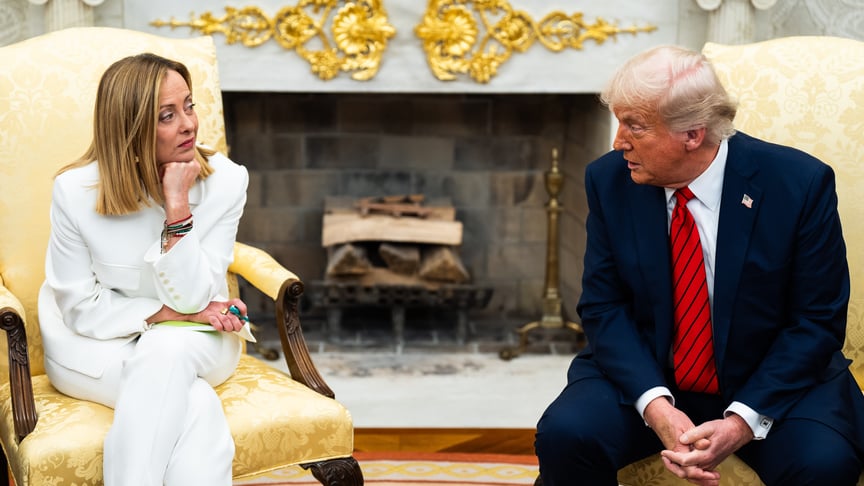
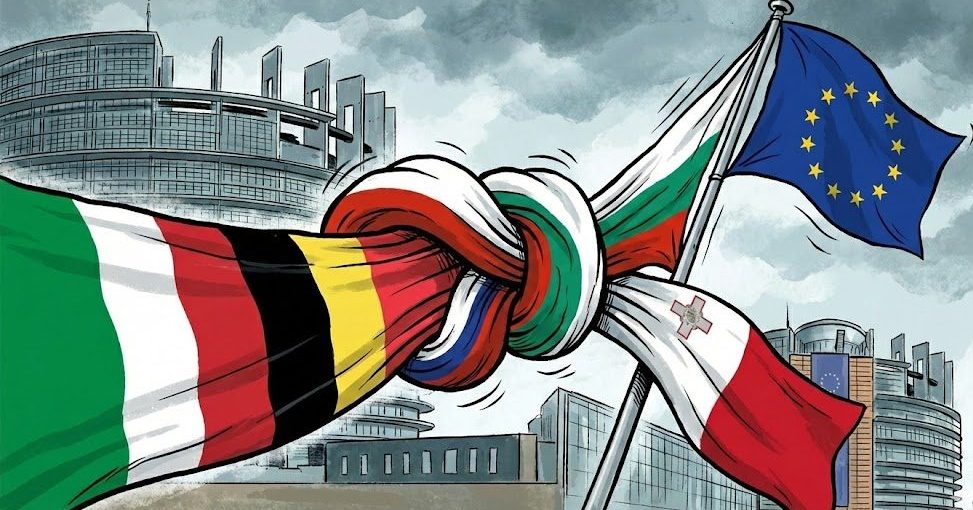
Italian Prime Minister Giorgia Meloni delivered a policy statement that could mark a turning point in the European Union’s self-determination. Commenting on the new US national security strategy presented by the Donald Trump administration, the head of the Italian government refused to join the chorus of alarmists, instead urging Brussels to accept the new geopolitical reality rather than complaining.
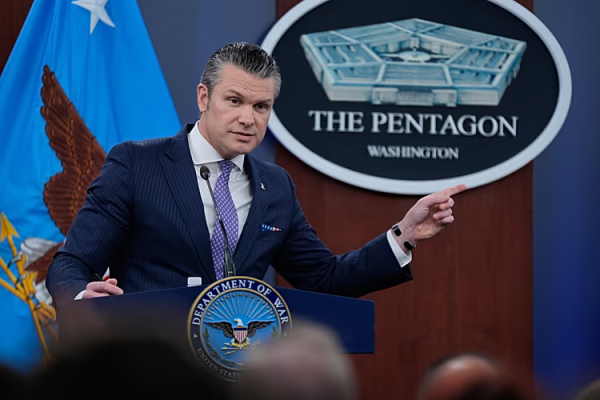
In the new strategy, Washington unambiguously signaled its intention to reduce its presence on the European continent, shifting the defense burden onto the shoulders of its allies. While this pivot came as a shock to many European capitals, Rome perceived it as an inevitability for which preparations should have been made long ago.
The End of the Era of Infantilism
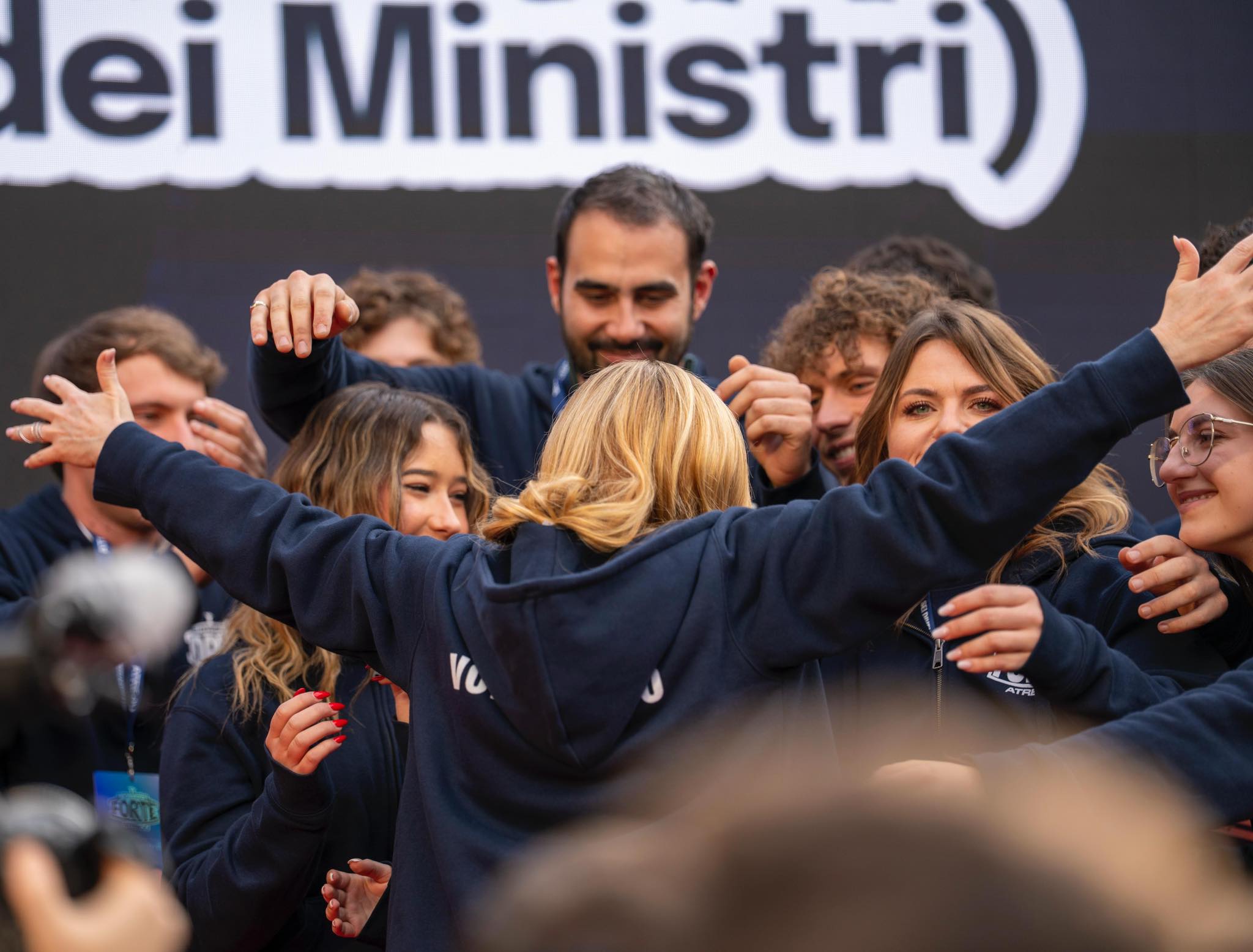
Speaking at the Atreju festival in Rome on December 14, Meloni sharply pointed out the infantilism inherent in European policy over the past decades, during which the continent’s security was de facto outsourced to America, and called for an end to these illusions.
“Europe outsourced its own security to the US for 80 years, thinking that this day would never come, and pretending it was free. What can I say? Good morning, Europe. Good morning,” Meloni remarked ironically, stressing that now that Washington has stated its withdrawal “more clearly than ever,” the Old Continent must urgently mature.
According to Meloni’s logic, the Trump strategy is not a catastrophe but a natural consequence: “freedom has a price,” and Europe, which calls itself a “living civilization,” should not have to ask external actors for permission to exist or for protection.
Between Brussels’ Panic and Budapest’s Delight
Meloni’s pragmatism is especially notable against the backdrop of polarized opinions within the EU itself. The Italian leader has adopted the position of the “adult in the room,” distancing herself from the extremes.
On one side, the official reaction from EU leadership resembles an attempt to save face while playing a losing hand. European Council President António Costa, Chief Diplomat Kaja Kallas, and European Commissioner for Defense Andrius Kubilius met the American strategy with a mixture of indignation and forced calm. Their rhetoric relies heavily on mantras about transatlantic unity, which, under the new circumstances, sound detached from reality.
Specifically, Andrius Kubilius directly declared that the US strategy is aimed at “undermining European unity,” expressing concerns typical of the Baltic States and Poland: without the American umbrella, Europe remains vulnerable to Russia. He appeared to disregard the fact that the US had explicitly stated a change in priorities.
EU Chief Diplomat Kaja Kallas dismissed the new American strategy entirely, advising the White House to focus its criticism on Russia, where “dissent is banned, where free media are banned, where political opposition is banned.”
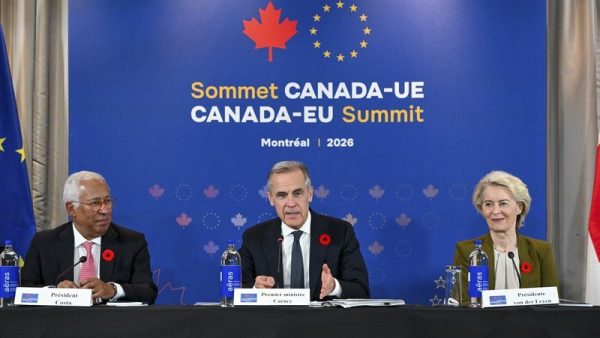
And European Council President António Costa stated at a forum in Brussels: “We do not accept threats of interference in Europe’s political life. The US should not replace European citizens in deciding which political parties are good and which are bad.”
On the other pole is Hungarian Prime Minister Viktor Orbán, for whom the document from Washington became the best political gift. He makes no secret of his satisfaction, calling the Trump strategy “the most important document in recent years.” For Budapest, these developments are not a collapse but a long-awaited return to Realpolitik. Orbán sees this as validation of his own policy: rejecting liberal interventionism and initiating dialogue with Russia is no longer the marginal position of a ‘pariah’ but the official line of NATO’s main ally.
Meloni, however, chose a third path: neither seeking blame (like Kubilius) nor celebrating the geopolitical shift (like Orbán), but focusing on Europe’s agency.
Giorgia Meloni’s Stance on European Agency
The position of Italy regarding Ukraine logically followed the thesis on sovereignty. Meloni specifically emphasized that support for Kyiv will not cease, but Rome’s motivation differs from the blind adherence to the course set by the previous US Democratic administration.
“We want Italy to be loyal to its partners, but not subservient to anyone,” the Prime Minister summarized. According to her, aid to Ukraine is dictated not by pressure from Washington, but by Italy’s own national interests and the demands of justice. With this statement, Meloni made it clear: even if Trump decides to completely exit the Ukraine file, Rome will maintain its position, but based on its own, European security strategy.