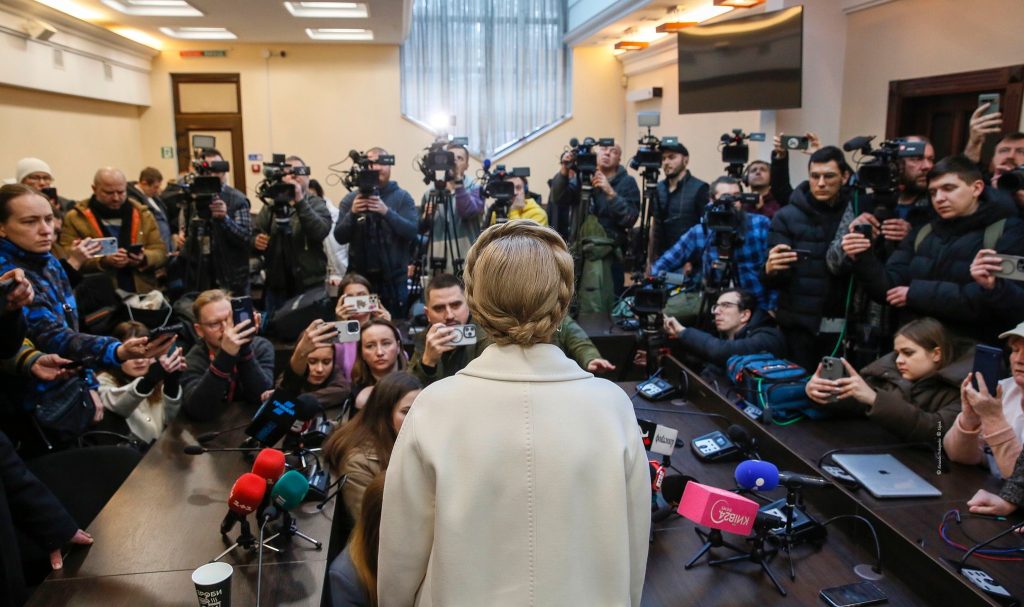
The leader of Ukraine’s Batkivshchyna party, Yulia Tymoshenko, has found herself at the center of a high-profile scandal after Ukrainian anti-corruption bodies (NABU and SAP) accused her of attempting to establish a systemic scheme for bribing members of the Verkhovna Rada (parliament). Tymoshenko vehemently denies the accusations, calling the case political persecution ahead of potential elections.
Chronology of Events: From Wiretaps to Court
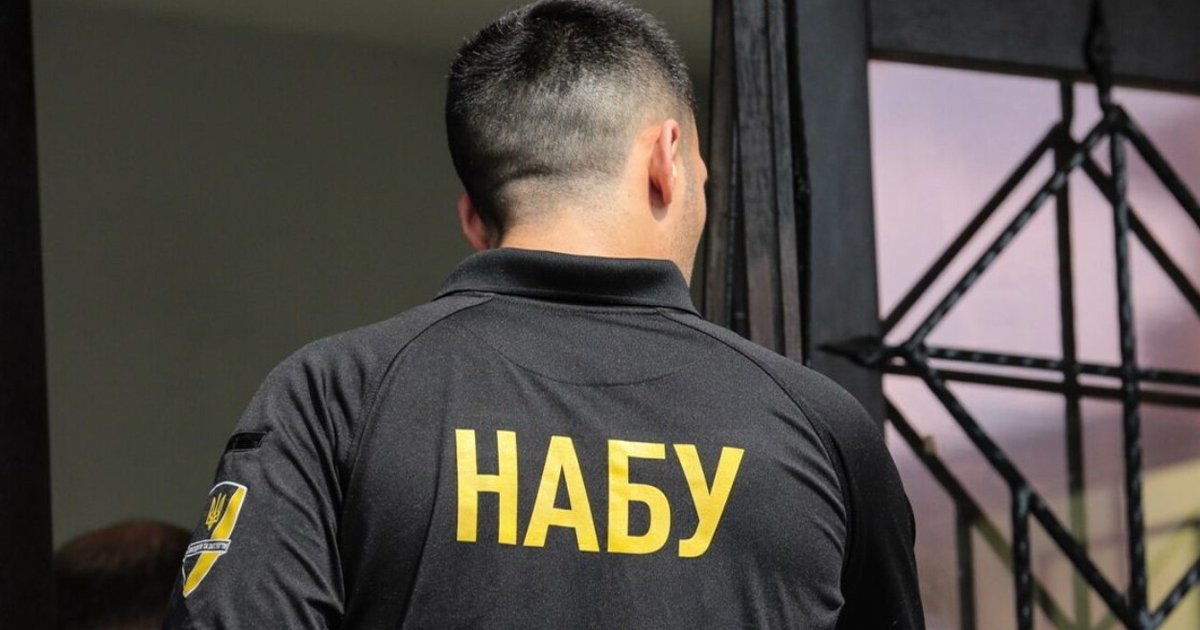
Events rapidly unfolded on January 13, when NABU announced it had exposed the leader of a parliamentary faction offering bribes to MPs in exchange for votes “for” or “against” specific draft laws. The following day, January 14, it was confirmed that the politician in question was Yulia Tymoshenko.
Searches were conducted at the Batkivshchyna party office on the night of January 14. Tymoshenko compared the raids to the actions of law enforcement during the era of former President Yanukovych, stating that armed individuals burst in without a court order and prevented her from calling a lawyer. She described the search as a “PR stunt” during which only her phones, documents, and declared savings were seized.
In response, NABU published wiretap recordings featuring a female voice whispering about payments for votes and coordinating actions via encrypted messengers. Investigators alleged that Tymoshenko attempted to establish a “systemic mechanism” for the regular bribery of deputies, designed to operate over a long period.
In public statements, Tymoshenko linked the case to the actions of Servant of the People MP Ihor Kopytin, essentially accusing him of working for NABU as a provocateur. Kopytin responded to these allegations by stating that he does not participate in political games but “consistently supports the course toward fighting corruption.”
The Court and Pre-trial Restrictions
On January 16, the High Anti-Corruption Court of Ukraine selected pre-trial restrictions for Yulia Tymoshenko. The court ruled that she must:
- Post bail in the amount of 33,280,000 hryvnia (UAH).
- Not leave the Kyiv region without the investigator’s permission.
- Surrender her foreign passport.
- Refrain from communicating with specific deputies.
Tymoshenko announced her intention to appeal the decision, reiterating her position that the case was fabricated to eliminate political competitors before elections. She stressed that persecution has become a familiar reality for her.
Tymoshenko Versus the Anti-Corruption Bodies
Notably, Tymoshenko reminded the court that she herself voted for the creation of NABU and SAP, hoping they would bring order to the country. Now, however, she accuses these bodies of transforming into tools of political influence.
Earlier, in July 2025, Tymoshenko had already criticized the anti-corruption structures, stating that they operate on a “friend or foe” basis and overlook genuine corruption. She advocated for the repeal of laws mandating the participation of international experts in forming Ukrainian government bodies, viewing this as a loss of sovereignty. In her view, despite the creation of an “anti-corruption backbone,” corruption in the country has reached unprecedented levels.
Political Future
Yulia Tymoshenko remains one of the most popular political figures in Ukraine, consistently ranking among the top five presidential contenders in ratings, although she has not officially announced her ambitions for the presidency. The outcome of the current criminal case will largely determine her future political career and demonstrate the effectiveness and independence of Ukraine’s anti-corruption system.