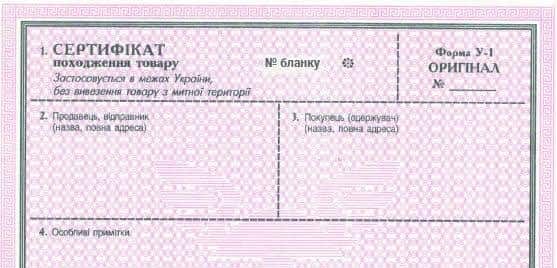
Ukrainian businesses are raising alarms over proposed new goods certification rules, warning that they could jeopardize crucial EU funding under the Ukraine Facility program and significantly harm domestic manufacturers. The controversial changes center on the introduction of the new “U-1” certificate.
Why are the new U-1 Certificate rules causing controversy?
The Ukrainian Ministry of Economy plans to introduce new regulations within the next two weeks, making the U-1 certificate the sole document required to confirm a product’s Ukrainian origin. This certificate would be exclusively issued by the Ukrainian Chamber of Commerce and Industry (UCCI).
Critics argue this decision raises several serious concerns. Firstly, it creates a monopoly on certificate issuance, which could foster corruption. Secondly, the cost of a U-1 certificate in Ukraine is estimated at around €450 per consignment, significantly higher than similar documents in the EU, which range from €5 to €48 depending on the country:
☛The cost of an EUR.1 certificate from the German Chamber of Commerce and Industry can vary between €5 and €25.
☛In Ireland, the cost for members is around €27, while for non-members it’s about €48.
☛In Italy, the cost of a certificate of origin (not necessarily EUR.1) typically ranges from €30 to €150.
☛In Poland, it costs €23-€35.
Such high costs would make Ukrainian goods less competitive and complicate participation in EU-funded tenders. For instance, the price of school equipment could increase by 10–20%. The procurement process itself could face delays of weeks or even months, postponing the delivery of essential items like computers, furniture, and laboratory equipment to schools.
Furthermore, the UCCI, while exclusively issuing these certificates, bears no financial responsibility for potential violations, rendering the system opaque and unfair.
How does it work in the European Union?
The European Union, which Ukraine aspires to join, employs a more flexible, two-tiered system for proving origin.
Declaration of Origin
This is a straightforward, free statement that the manufacturer includes directly on the invoice or packing list. It is sufficient for shipments valued up to €6,000, with the producer bearing full responsibility for the accuracy of the information.
Certificate of Origin
This official document, issued by authorized bodies, is required for larger consignments to obtain preferential tariffs. Crucially, in the EU, a single certificate can be valid for an entire year, rather than for each individual shipment, saving businesses significant time and money.
The €6,000 threshold for declarations of origin is designed to relieve small and medium-sized enterprises (SMEs) from unnecessary bureaucracy and the costs associated with certificates, as such expenses can be prohibitive for smaller operations. This flexible approach allows businesses to choose the most suitable document type based on the shipment’s value and their own status, making the EU system transparent and efficient.
Regulatory framework
These rules are enshrined in several key EU documents, including:
☛The EU Customs Code (UCC), which governs all customs procedures.
☛The Implementing Regulation to the Customs Code, detailing rules for using declarations.
☛EU Trade Agreements, specifying rules of origin for various countries.
In essence, the European system aims to simplify and expedite trade, whereas Ukraine’s proposed rules risk creating additional barriers.
What is the U-1 Certificate and why is it needed?
The U-1 certificate is an official document issued by the Ukrainian Chamber of Commerce and Industry that confirms a product was manufactured within Ukraine.
Businesses require this document to participate in public and private tenders and when requested by customers.