Ukraine and the USA, the USA and Russia have agreed to ensure safe navigation, exclude the use of force and prevent the use of commercial vessels for military purposes in the Black Sea. This was announced by representatives of Ukraine and the United States following multi-day talks in Saudi Arabia.
At the same time, Defense Minister Rustem Umerov, who participated in the talks, stressed that “Russia’s movement of its military vessels beyond the eastern part of the Black Sea will be considered a violation of the spirit of this agreement and will be regarded as a breach of obligations to ensure freedom of navigation in the Black Sea and a threat to Ukraine’s national security. In such a case, Ukraine will have every right to exercise the right to self-defense.”
Some time later, the Kremlin confirmed the agreements, but immediately imposed conditions: the agreements reached in Saudi Arabia come into force after a number of sanctions are lifted:
from Rosselkhozbank and other banks involved in the export of food and fertilizers;
from companies producing and exporting food and fertilizers, as well as companies insuring the respective cargoes;
from Russian-flagged vessels transporting food and fertilizers and the maintenance of such vessels in ports;
on the supply of agricultural equipment and other goods involved in the production of food and fertilizers to Russia.
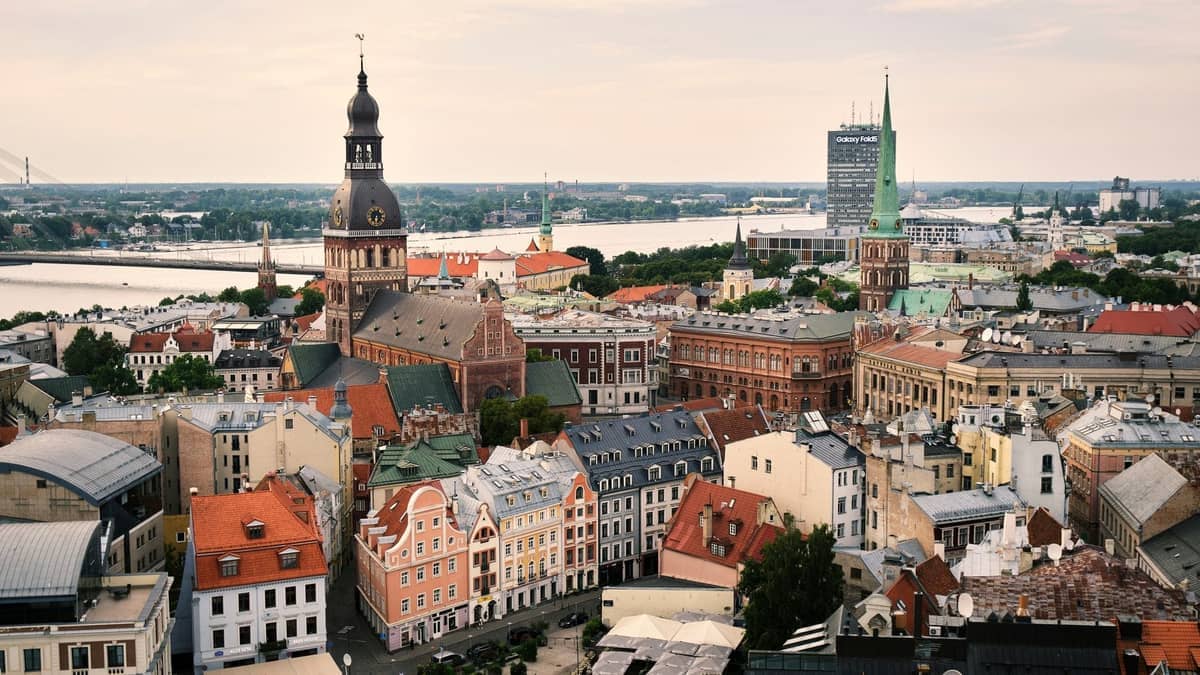
Threat to Odesa
➤ Meanwhile, the Kremlin-controlled media continue to spin the theme with the seizure of Odesa, where a critically important port for Ukraine is located. They openly discuss manipulations – how to convey to the representatives of the U.S. presidential administration the idea that Russian control over Odesa is beneficial to the U.S., as it will create a safe passage through the waters of the Black Sea and provide Americans with transit of minerals and other products.
➤ It is not only Kremlin propagandists and the Kremlin master himself who dream about Odesa. A few days ago, Kommersant, citing participants in a private meeting between Putin and representatives of the Russian Union of Industrialists and Entrepreneurs (RUIE), reported that Russia is ready to launch an attack on Odesa if Kyiv refuses to recognize the occupied Crimea, Lugansk, Donetsk, Zaporizhzhya and Kherson regions as Russian when discussing a peace agreement.


➤ The topic of Odesa was the focus of a discussion session at the “World Forum on the Future of Democracy, AI/technology and Humanity,” which took place March 18-19, 2025 in Berlin.
Speakers of the session “Taiwan, Ukraine and Countries Under Threat: Why Protect Democracy?” were influential experts, including former Lithuanian President Dalia Grybauskaite, Nobel Peace Prize winner Aleksandra Matviychuk (joined virtually), U.S. Lieutenant General Ben Hodges, and politicians from the European Union, Taiwan, and Ukraine.
The discussion was conducted under Chatham House rules, but I can share some points. It is about the strategic response to aggression being discussed in European defense and diplomatic circles.
Ukraine: Several participants confirmed that discussions are underway about increasing European military support. One key finding: there is a growing consensus that passive support is no longer enough – Europe must prepare for proactive, coordinated deterrence, including strengthening air defense systems and long-term commitments to Ukraine’s reconstruction and military resilience.
Taiwan: Questions were raised about rethinking the One China Policy to better reflect current geopolitical realities and support Taiwan’s democratic sovereignty.
NATO: There was also considerable debate about whether NATO should extend its formal defense to countries such as Ukraine and Taiwan – a move that, while bold, could change the global security architecture.
While no formal decisions were announced, the tone was unequivocal: the cost of inaction is far greater than the risks of strategic boldness.
On the margins of the forum, Mykola Volkivskyi, president of the Geneva Center for Diplomacy and Conflict Resolution (GCDCR), spoke to the Lithuanian delegation about the risks facing Ukraine’s main maritime gateway, Odesa. Volkivskyi emphasized that “the war in Ukraine is not only a war for territory – it is the future of democratic values.” His speech underscored the urgent need for a cohesive and timely response from both NATO and the wider international community when the UN Security Council remains paralyzed by veto politics.