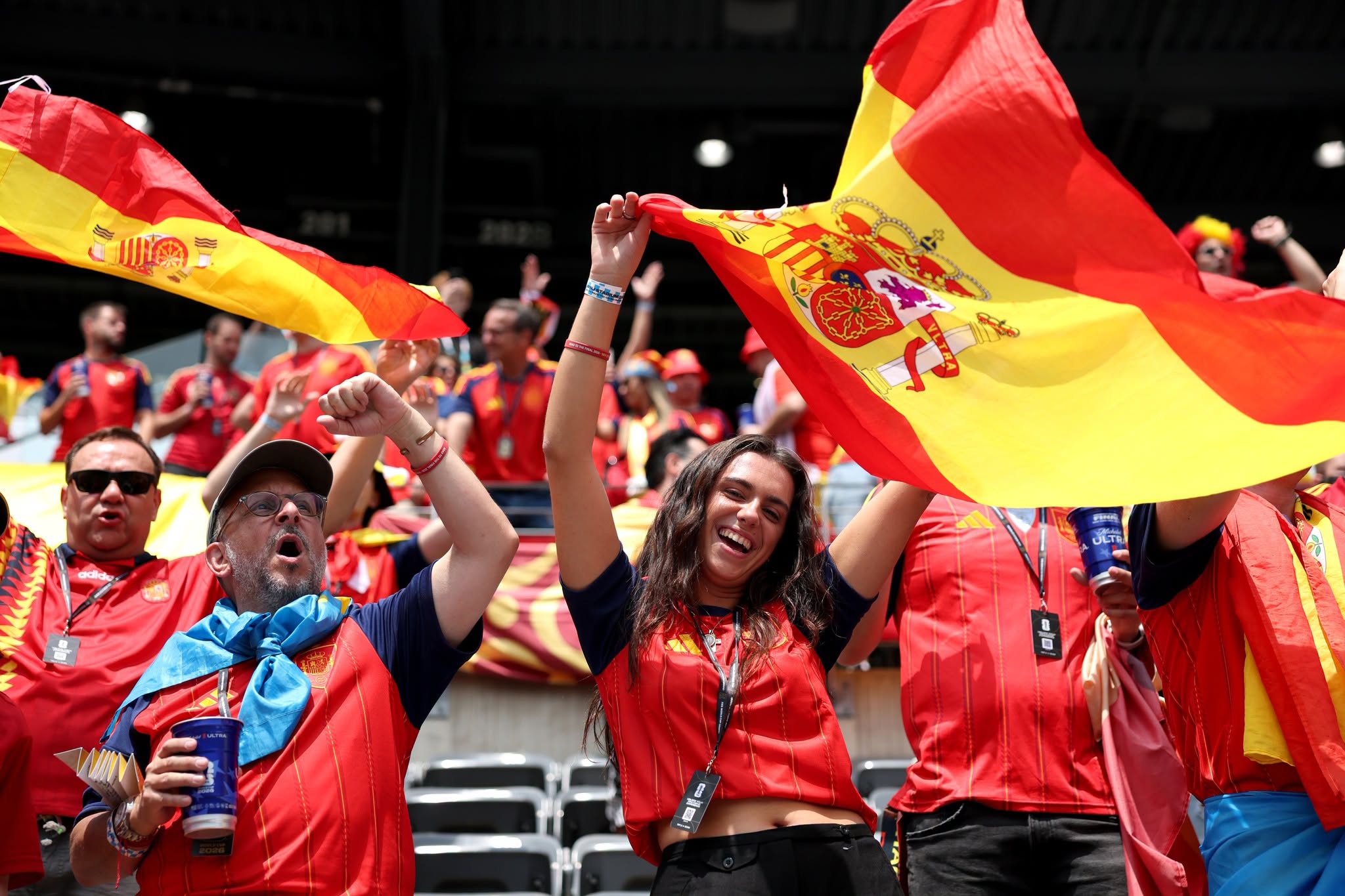
London’s legendary nightlife is facing an existential crisis as Gen Z’s declining interest in alcohol forces the industry to overhaul decades-old business models. While younger clubgoers still value music and dancing, a significant shift in social habits has left many traditional venues struggling to survive. According to Reuters, the industry is being forced to adapt as the new generation moves away from heavy drinking.
Statistics of the London Nightlife Industry Decline
The sector has been under pressure for several years due to a combination of negative economic and social factors. Data from the analytics firm CGA shows that the number of late-night venues in the UK decreased by 4.1% in 2025.
The long-term trend is even more pronounced. There are currently 28% fewer nightclubs in the country than there were before the COVID-19 pandemic, even when accounting for new venue openings.
Beyond shifting habits, the industry is struggling with: a sharp rise in operating costs (rent, electricity, and wages), stricter urban licensing rules, and a general cost-of-living crisis. This has left patrons with less disposable income for expensive cocktails.
The Corsica Studios Paradox: Full Floor, Empty Till
The recent closure of Corsica Studios in South London, which operated for 20 years, highlights the current crisis.
The venue’s representatives described a paradox that has alarmed the market: visitor numbers remained high. The dance floor was full and guests were buying tickets, yet bar revenue dropped to record lows while expenses continued to climb.
The traditional business model of using a DJ to drive bar sales is no longer effective. Recent surveys indicate that approximately 39% of people aged 18 to 24 do not drink alcohol at all. These patrons seek experiences, but selling water and atmosphere is not as profitable as selling spirits.
Sober Raves and Daytime Parties
Generation Z views clubbing not as a weekly stress-relief routine, but as a curated experience to be enjoyed consciously.
Alex Gist, a 27-year-old social media manager and London club regular, described the new demand: “People now go to clubs for the music and the atmosphere, not just to drink into the early hours. Many venues today seem outdated if they don’t offer live performances and an interesting experience.”
To survive, the industry is evolving and offering entirely new formats:
- Daytime parties. Events start at midday and end by 10:00 PM, allowing guests to get enough sleep and maintain their schedules.
- Gastronomy. Clubs are adding full food menus, transforming into hybrids of restaurants and concert venues.
- Lineup focus. Instead of background techno, venues are prioritizing performances, light shows, and live music.
London’s nightlife is not dying; it is maturing and shifting to different times of day. This change has forced club owners to sell a high-quality cultural product rather than relying solely on alcohol sales.
NEWSROOM IN notes that London has been named the “Capital of Capitals” for the 11th consecutive year, ranking first in The World’s 100 Best Cities for 2026. It holds leading positions in three out of 34 subcategories and ranks 1st, 2nd, and 3rd in indices for prosperity, attractiveness, and livability, respectively.