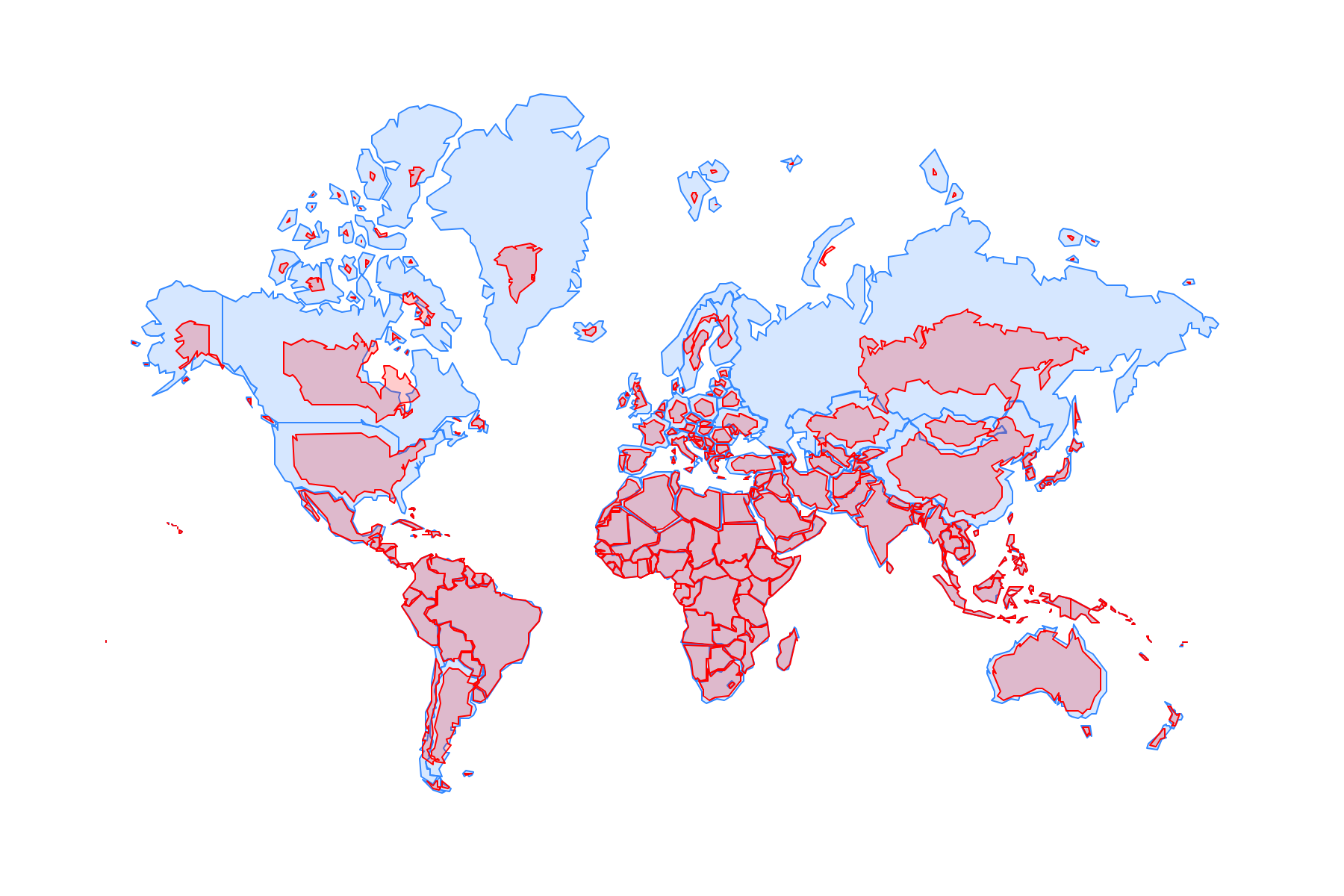
The International Criminal Court (ICC) in The Hague has issued a formal ruling regarding the ICC arrest warrant to regulate how individuals on international wanted lists can participate in potential peace talks. While the move asserts the rule of law over political expediency, it limits the tools of crisis diplomacy by restricting direct, in-person contact between Russian leadership and Western nations. The court reminded member states that the arrest warrant for Vladimir Putin, issued on March 17, 2023, remains fully in force for all states party to the Rome Statute.
Ban on Independent Diplomatic Exceptions
The judges’ ruling eliminates the practice of “political expediency.” The ICC ruled that no state has the right to unilaterally void or temporarily ignore its international arrest obligations to organize diplomatic meetings. The status of “peace talks” is not a legal ground to refuse to execute a warrant if the talks are initiated by an individual country, a coalition of states, or any other independent mediator. The obligation to detain and surrender the wanted person to the court remains fully intact.
Legal Loopholes Under the Rome Statute
The ruling outlines a very narrow set of conditions under which prosecution could theoretically be suspended temporarily. The first scenario is if the talks are officially organized under UN auspices, and the host country faces direct conflicts between its UN Charter obligations and ICC requirements. In such a case, the matter must be referred to the court for special consultations. The second option involves a special UN Security Council resolution under Chapter VII of the UN Charter. However, in practice, this mechanism is blocked because permanent Security Council members—namely the United States, United Kingdom, and France—hold veto power.
Narrowing of Negotiation Venues and the Disqualification of Europe
This verdict effectively disqualifies traditional neutral venues from hosting high-level dialogue. Even Switzerland is affected; despite its historic neutrality, it recognizes ICC jurisdiction and must comply with the ruling. Consequently, the 124 countries that signed the Rome Statute are ruled out. This decision cements the divide between the Western legal framework and nations that have not ratified the statute, making the latter the only possible locations for direct in-person meetings between the leaders of the warring sides.
Geopolitical Advantage for Turkey and Middle Eastern Monarchies
Excluding European venues creates a monopoly on mediation for states that have not signed the Rome Statute. The main beneficiaries are Turkey, Saudi Arabia, the UAE, Qatar, and China. For Ankara and Riyadh, this decision significantly increases their political capital. If Washington, Brussels, or Kyiv decide that direct contact with the Kremlin is necessary, they will have no other choices for meeting venues. Holding a monopoly as the sole channel for dialogue shields these mediators from Western sanctions and gives them leverage in negotiations with the United States to secure military and economic concessions.
Implications for Realpolitik
From the perspective of classical Realpolitik, the ICC decision has positioned international law as an unyielding force. The court has officially prioritized criminal prosecution over potential diplomatic compromises for a ceasefire. While attempting to legally isolate Russian leadership, Western nations have restricted their own diplomatic options, leaving the initiative and the role of key peacemakers to leaders of the Global South and the Middle East.
NEWSROOM IN notes that the ICC issued this clarification following the case of Mongolia, which refused to arrest the Russian president. Vladimir Putin’s visit to Ulaanbaatar in September 2024 was his first trip to a Rome Statute member state since the Hague warrant was issued. The event established a precedent that demonstrated the vulnerability of the international criminal justice system when facing Realpolitik.
Official Verdict from The Hague: Finding of ICC Arrest Warrant Violation
In October 2024, the ICC Pre-Trial Chamber ruled unanimously that Mongolia violated its obligations as a Rome Statute member state by ignoring the arrest warrant request. Judges rejected all arguments from Ulaanbaatar, including attempts to cite traditional diplomatic immunity for heads of state. The ICC ruled that multilateral obligations to the international court hold clear supranational priority and override bilateral agreements.
Despite the strong language, the ICC lacks mechanisms for physical or economic enforcement under international law. Under Article 87(7), the court’s only procedural action was to refer the matter to the Assembly of States Parties to the Rome Statute. In practice, this results in no severe consequences. The Rome Statute does not provide for fines, trade embargoes, or expulsion from international institutions for non-compliant countries. The extent of the consequences for Mongolia was public diplomatic censure from Western nations.