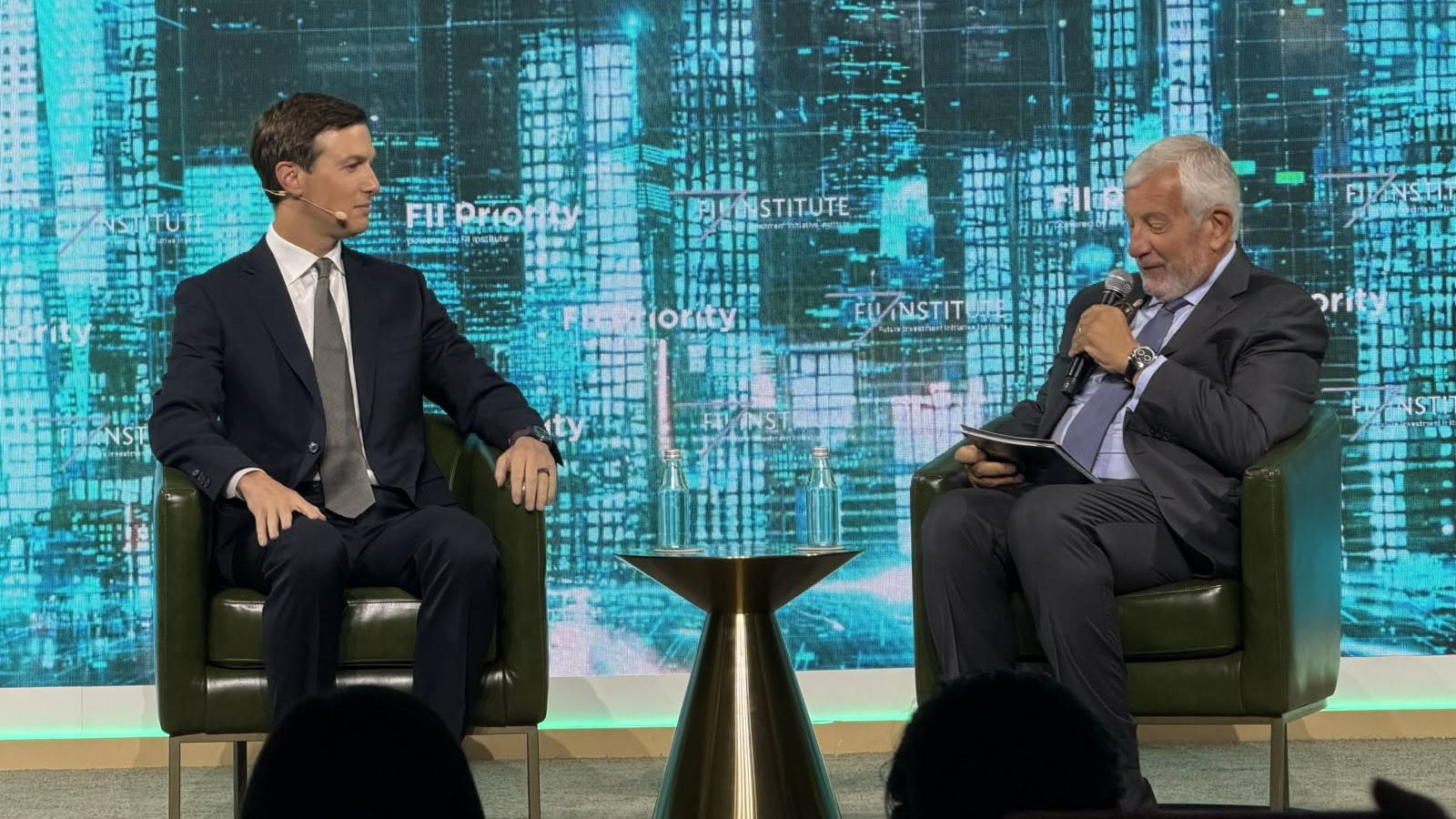
Speaking at the FII Priority Summit at the Faena Forum in Miami, President Donald Trump delivered a keynote address outlining a new U.S. approach to global politics centered on investment, strategic partnerships, and transactional diplomacy.
The address served as a direct appeal to global capital, sovereign wealth funds, and strategic partners, most notably Saudi Arabia. Trump presented economic cooperation as the foundation of geopolitical stability, stating that investment ties between the U.S. and Gulf nations are becoming a primary factor in shaping a new world order.
A central theme of the speech was the deepening bond between the United States and Saudi Arabia. Trump emphasized the scale of current investments, positioning this partnership as a driver of economic growth and regional security. In this framework, Miami is viewed as a strategic bridge between global markets and regions.
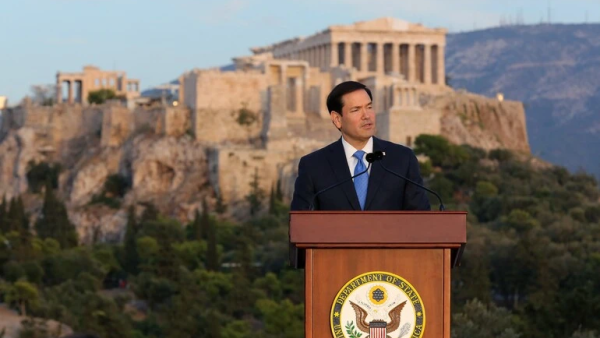
The speech also addressed specific geopolitical challenges. The president identified Iran as a primary source of regional instability. He indicated that resolving the situation in the Middle East is a prerequisite for broader global stabilization.
While the link between the Middle East and other conflicts, including Ukraine, was not explicitly detailed, the logic of the presentation suggested a sequential approach: stabilizing one region to facilitate negotiations in another.
Beyond geopolitics, Trump focused heavily on economics, positioning the United States as the world’s leading hub for capital, innovation, and growth. He highlighted his administration’s commitment to deregulation, deal-making, and large-scale investment partnerships—signals that were met with visible interest from the gathered global investors and policymakers.
Reactions from the FII Priority Summit at Faena Forum
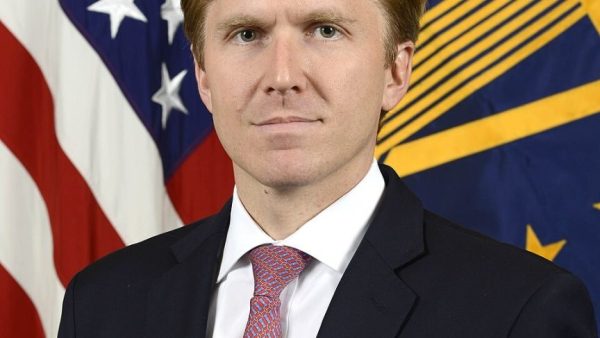
In a comment to NEWSROOM IN, Timothy Sneed, who works closely with the current U.S. administration, noted:
“We are seeing the formation of a highly productive and long-term partnership between the U.S. and Saudi Arabia. This is a real strategic alignment. Once the situation in the Middle East is stabilized, particularly regarding Iran, the negotiation track for Ukraine is likely to move back into an active phase.”
Summit delegate Mykola Volkivskyi, President of the Geneva Center for Diplomacy and Conflict Resolution, added:
“We still see the U.S. administration’s readiness to maintain a peaceful track for Ukraine. What is happening now is not an abandonment of negotiations, but a restructuring of them. Analyzing the activities of Steve Witkoff and other White House representatives at FII, we can conclude that a new architecture for negotiations is being formed—one that is more flexible and less institutional, but potentially more effective.”
FII Priority Summit: A Platform Beyond Investment
The FII summit in Miami has confirmed its transformation from an investment forum into a global platform where finance, diplomacy, and geopolitics intersect.
Key Trends:
- The launch of the first FII LATAM Summit;
- A focus on the theme “Capital in Motion”;
- The growing role of informal negotiators and business actors;
- The strengthening link between investment and political processes.
Despite complex logistics and long travel times—with many delegates traveling for over 20 hours—participation levels remained high, highlighting the significance of FII as a global venue.
From Davos to Miami: A New Center for Decision-Making?
A major takeaway from the summit is the changing geography of global influence. The dialogue traditionally associated with the World Economic Forum in Davos is gradually shifting toward Miami.
Under Trump’s current vision, global coordination among elites is increasingly occurring in Florida rather than Switzerland. This shift appears to be part of a broader trend. With the G20 leaders’ summit scheduled for Miami in December 2026, the current FII marks the beginning of a series of global events. Numerous forums and political meetings are expected to follow, effectively establishing Florida as a permanent hub for global decision-making.
Global negotiations, ranging from the Middle East to Ukraine, are increasingly shaped by a new ecosystem of actors at the intersection of politics, capital, and strategic influence. This ecosystem is now frequently gathering in Miami instead of Davos.
Article by: Anastasiia Volkivska, special correspondent for NEWSROOM IN, reporting from the FII PRIORITY Miami Summit.