The outbreak of the Iran war has placed the global economy under direct threat. The European Union is desperately attempting to forge a diplomatic and defensive “shield” around the conflict zone, warning that if the Strait of Hormuz remains closed, Europe faces a devastating new energy crisis.
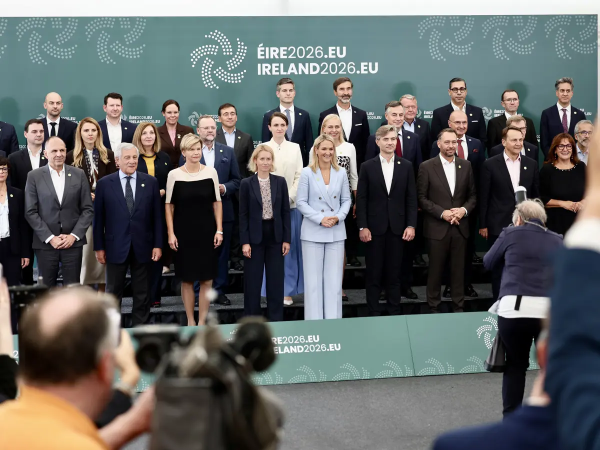
In an effort to prevent a total catastrophe and the further spread of hostilities, top EU officials Ursula von der Leyen and António Costa held emergency talks with leaders from 13 regional states. The coalition includes Jordan, Egypt, Bahrain, Lebanon, Syria, Turkey, Armenia, Iraq, Qatar, Kuwait, the UAE, Saudi Arabia, and Oman.
The Iran War is No Longer a Distant Problem
The communiqué issued following the meeting makes it clear that for the EU, this war has ceased to be a peripheral issue. Brussels has been forced to engage in urgent diplomatic mediation and seek support from regional leaders for three critical reasons:
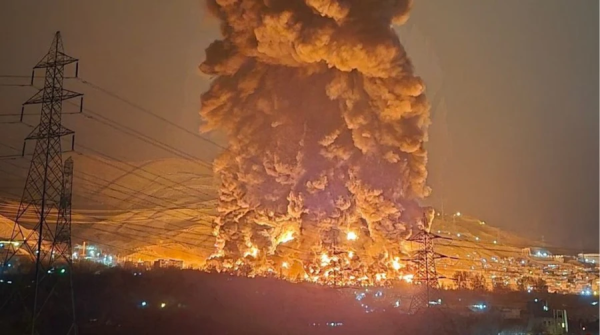
- The EU fears a global energy blackout resulting from the closure of the Strait of Hormuz and the destruction of oil infrastructure. It is vital for Brussels to coordinate with Gulf monarchies to reroute energy flows and prevent a total economic collapse in Europe.
- Protecting European Citizens: The war caught tens of thousands of Europeans in the region by surprise. The EU lacked the independent capacity to evacuate them, and the rescue operations were only made possible through the direct assistance and intervention of local governments—a fact for which EU leadership expressed specific gratitude.
- A Growing Humanitarian Crisis: The conflict has spilled over into neighboring countries, triggering a massive crisis in Lebanon. Brussels is now tapping into ReliefEU reserves to send humanitarian aid flights for 130,000 Lebanese refugees in an attempt to stabilize the situation and prevent a new wave of migration to Europe.
The Failure of Traditional Diplomacy
The official document contains a candid admission: “the rules-based international order is under colossal stress.” Old diplomatic tools—often characterized as merely “expressing concern”—have simply stopped working.
For years, the European Union urged Tehran to scrap its nuclear program, halt the development of ballistic missiles, and end violence against its own citizens. These calls were systematically ignored. Consequently, soft diplomacy failed to prevent the current escalation. Now, the EU is forced to manage the fallout by relying on naval power—with the Aspides and Atalanta missions placed on high alert to protect merchant shipping—and the strategic cooperation of Iran’s Arab neighbors.
The participants of the emergency summit agreed to maintain close contact to monitor the developing situation and continue working toward a peaceful resolution.