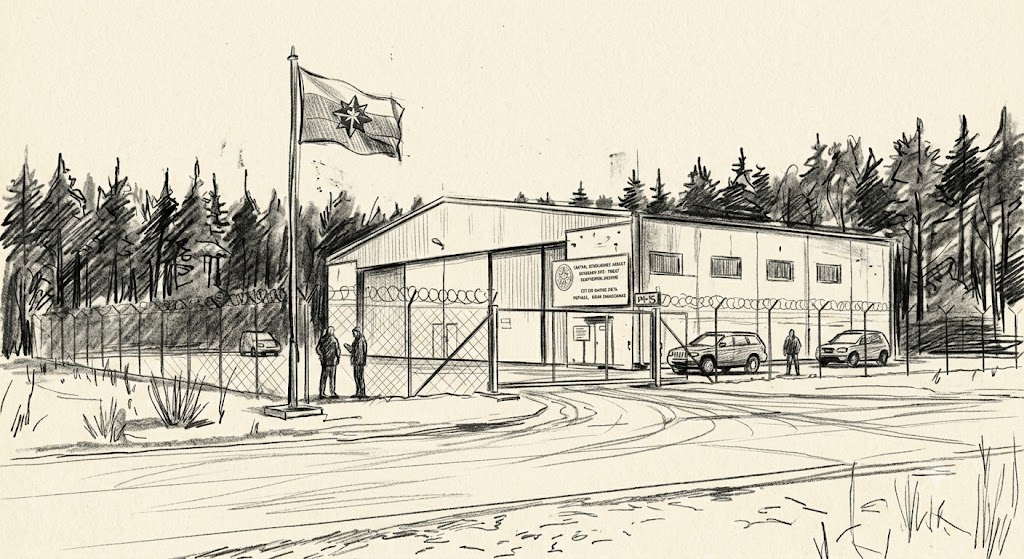
The Prince Andrew arrest occurred Thursday morning as British police detained Andrew Mountbatten-Windsor, brother of King Charles III, on suspicion of abuse of power and disclosing state secrets. The operation took place at the Sandringham royal estate, where the former prince, who has been stripped of all his titles, was living in virtual isolation.
The arrest was prompted by data from the “Epstein list,” which suggests Andrew passed secret reports regarding his visits to Asia and confidential information about UK investment opportunities to American financier Jeffrey Epstein, the BBC reports.
A blow to the Crown on his birthday
The arrest coincided with Andrew’s 66th birthday, turning the occasion into a large-scale police operation. Witnesses observed a convoy of specialized vehicles arriving in Norfolk to detain the former Duke of York. The official grounds for the investigation followed a formal request from the anti-monarchy organization Republic, which demanded an inquiry into Mountbatten-Windsor’s ties with Jeffrey Epstein regarding potential violations of the Official Secrets Act.
Key charges and status of the suspect
Investigators allege the former royal systematically shared confidential reports concerning his official trips to Singapore, Vietnam, and Hong Kong. Police believe Andrew leaked private data about the investment potential of British territories to Jeffrey Epstein—information he accessed due to his official state role.
It is worth noting that by the time of his arrest, the suspect had already lost all royal privileges. In October of last year, King Charles III finally stripped his brother of the title of Prince, while Andrew had previously been forced to formally renounce his title as Duke of York.
The Epstein legacy and state secrets
Documents published in the United States revealed the royal’s dangerously close ties to Epstein’s criminal network. Investigators suspect Andrew used his status as a UK trade representative to pass information that could be used in the interests of third parties. Thames Valley Police are treating these actions as a direct malfeasance in office committed during the performance of official duties.
The detainee has consistently denied any wrongdoing, insisting his actions were lawful. However, correspondence and financial reports obtained by law enforcement suggest otherwise. British police have now initiated proceedings regarding the provision of confidential materials to foreign citizens.
Isolation in Norfolk
After being stripped of his titles and financial support, Andrew lived in effective exile at Sandringham, attempting to avoid public attention. This arrest ends Buckingham Palace’s efforts to distance itself from the scandal through “quiet” means. Experts note that the case has moved beyond ethical violations into the realm of criminal law and national security threats.
The Royal Family has not yet commented on the situation, maintaining its distance from the disgraced relative.