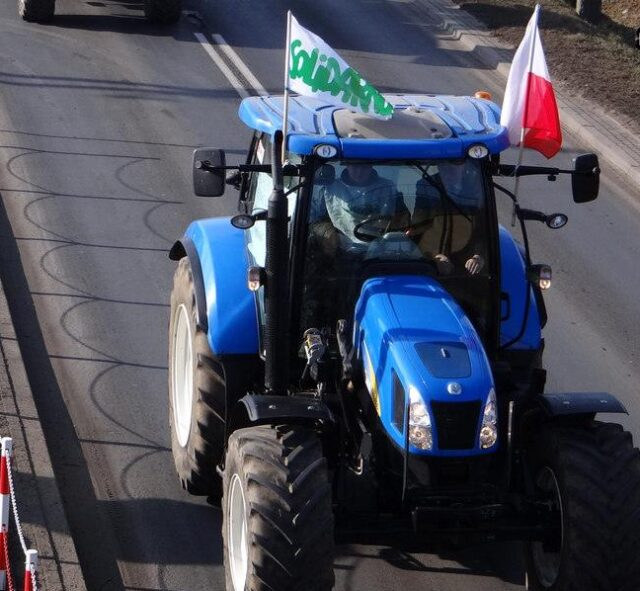
Thousands of European farmers staged mass protests in Brussels coinciding with the EU leaders’ summit, leading to intense confrontations as police deployed tear gas and water cannons against the demonstrators. These farmers were protesting the potential MERCOSUR agreement. The farmers retaliated by throwing eggs and potatoes at officers. The roads around the Europa building, where the leaders were meeting, were blocked by tractors.
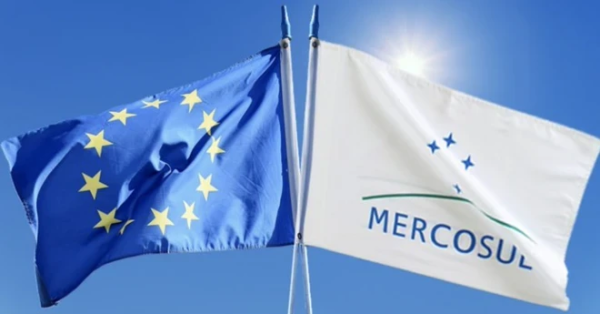
The agricultural sector is staunchly opposing the signing of the free trade agreement with the MERCOSUR bloc (comprising Brazil, Argentina, Uruguay, Paraguay, and Bolivia), fearing catastrophic damage to European agriculture.
The main driver of the farmers’ anger is a sense of injustice. They fear ruin due to price dumping and the lack of “mirror measures”—requirements that importers adhere to the same stringent rules as EU producers.
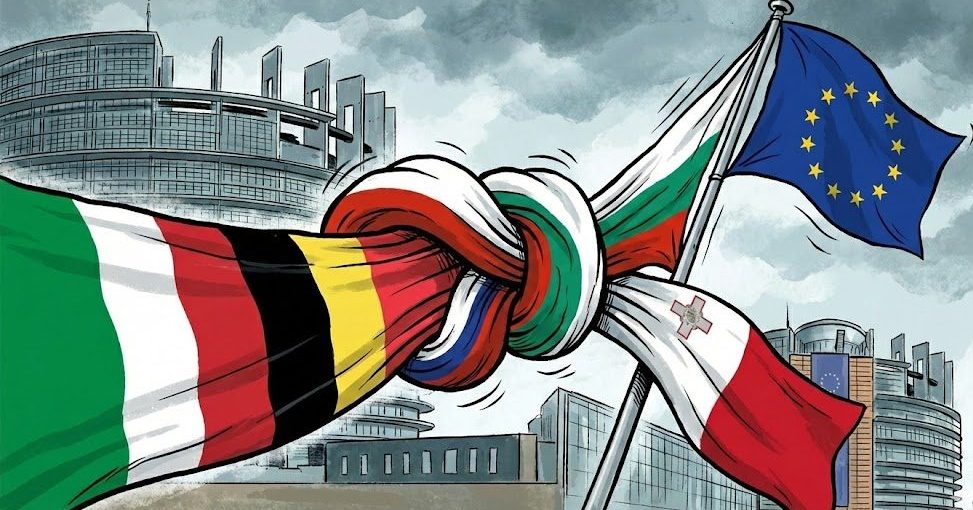
Opponents of the deal (including France, Poland, Hungary, Italy, Ireland, and Austria) stress that European producers are bound by the strictest environmental and sanitary standards. They argue that the agreement would open the floodgates to cheap products from South America (such as meat, sugar, and soy) that are manufactured without adhering to these same standards.
French President Emmanuel Macron clearly articulated this grievance: “What is unclear, and what I myself cannot explain, is why we impose rules on what we produce in Europe, yet allow imports from outside Europe of products that do not comply with those same rules.”
Italian Prime Minister Giorgia Meloni stated that “Italy does not intend to block the deal or oppose it,” but emphasized that “it is necessary to wait until the package of additional measures aimed at protecting the agricultural sector is finalized, clarified, and discussed with our farmers.”
Proponents of the agreement (Germany, the European Commission) believe the deal offers an alternative to the growing influence of China and rising US tariffs. They argue that if the EU fails to sign, Latin America risks falling into Beijing’s orbit. They also highlight that the deal opens up a vast market for EU goods exports.
Protest by Indigenous Peoples of Brazil
It is worth noting that opposition to the deal comes not only from Europeans but also from residents of South America. Specifically, in May of this year, representatives of Brazil’s indigenous communities argued that the deal amounted to “exports in exchange for ecology.” They warn that increased demand for agricultural products (soy, beef, and sugarcane) will drive the expansion of farmlands through the mass deforestation of the Amazon.
Activists point to the controversial Brazilian Law 14.701, which restricts indigenous land rights by recognizing only those territories claimed before 1988. They argue this effectively gives agribusiness conglomerates free rein to seize ancestral lands.
Addressing Strict Standards in the MERCOSUR Agreement
NEWSROOM IN notes that MERCOSUR is an economic and political common market agreement for South American countries. Founded in 1991, its full members include Argentina, Brazil, Paraguay, and Uruguay, while Bolivia, Colombia, Peru, Chile, Ecuador, Guyana, and Suriname hold associated member status.
The trade agreement between the two blocs provides for the reduction or elimination of duties on agro-food exports from South America to the EU. The parties attempted to finalize the deal for over 20 years, finally reaching a political agreement last December. It now requires approval from the European Parliament.