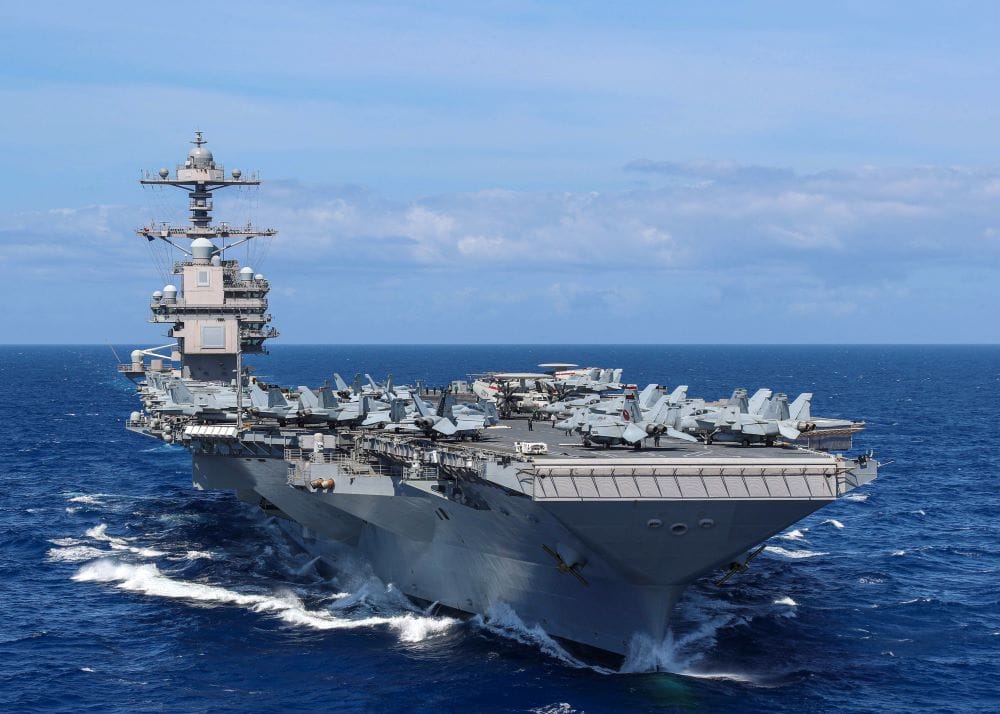
A new Caribbean Crisis has reached a boiling point, as the arrival of the largest U.S. aircraft carrier, the USS Gerald R. Ford, and an ongoing series of deadly U.S. strikes on small vessels transporting drugs from Venezuela have triggered a diplomatic crisis and an open rift between the U.S., the UK, and Colombia.
Caribbean Crisis: Drug Trafficking Escalation
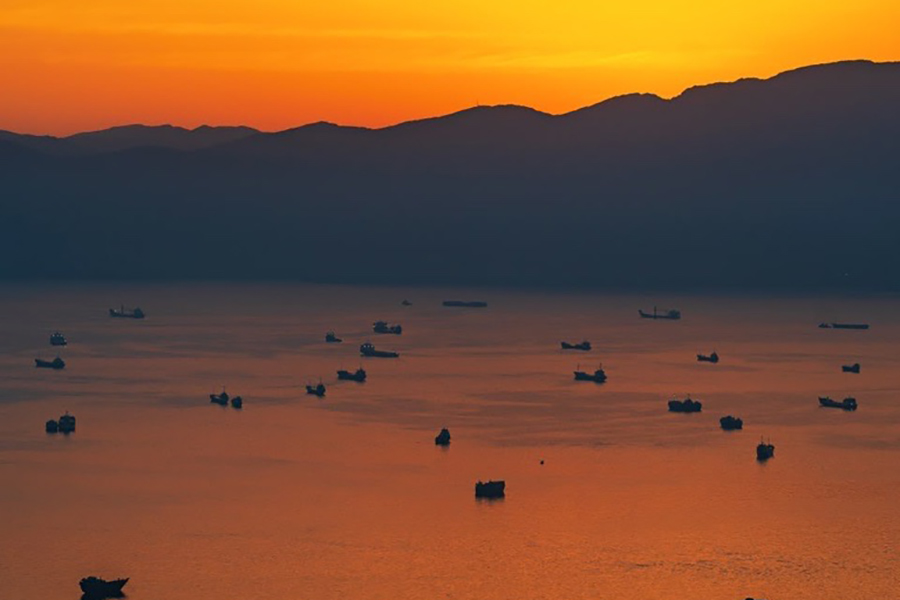
These U.S. actions are unfolding in a region that serves as one of the most critical corridors for global drug trafficking. Colombia remains the world leader in cocaine production, while Venezuela acts as a key transit hub for this traffic heading to North America and Europe.
The U.S. has long accused Venezuela’s top leadership, including its military, of involvement in drug trafficking, branding the country a “narco-state.” The Trump administration justifies its actions by citing the immense volumes of contraband passing through the Caribbean corridor. This justification is outlined in a memorandum the U.S. administration sent to Congress, among other sources.
The memorandum states that the U.S. is engaged in a “non-international armed conflict” with drug cartels, referring to drug traffickers as “unlawful combatants.” Such terminology allows the administration to invoke the Law of Armed Conflict, which grants the right to eliminate enemy combatants without adhering to the usual procedural norms applicable to criminal offenders.
U.S.: The ‘Enemy Combatant’ Doctrine
In late October, U.S. President Donald Trump ordered the redeployment of a carrier strike group, led by the USS Gerald R. Ford, to the Caribbean Sea to intensify efforts against drug trafficking. The group arrived on November 11.
U.S. naval forces and aircraft have been striking vessels allegedly transporting drugs since September. These attacks have resulted in the deaths of at least 75 people, according to various reports, including citizens of Venezuela, Colombia, Ecuador, and Trinidad and Tobago.
London and Bogotá Suspend Intelligence Cooperation with the US
☛ Washington’s actions have drawn open condemnation from Colombian President Gustavo Petro, who publicly announced on November 12 the suspension of intelligence sharing and all contacts with U.S. security services. He stated that “the fight against drugs must be subordinated to human rights” and called for an investigation into Trump for alleged war crimes.
☛ The Trump administration, in turn, criticized Petro for his “soft approach” toward drug traffickers.
☛ The United Kingdom has also suspended intelligence information exchange with the U.S. According to CNN sources, London paused intelligence sharing over a month ago. While British data had previously helped the U.S. Coast Guard locate vessels, seize drugs, and detain crews, officials are now concerned that the Trump administration’s actions may be illegal.
CNN sources report that the UK shares the assessment of UN High Commissioner for Human Rights Volker Türk, who considers these strikes tantamount to extrajudicial killings.
UN and Venezuela’s Stance
☛ Venezuela condemned the U.S. actions as illegal, equivalent to murder and aggression against a sovereign state. The country’s leader, Nicolás Maduro, accuses the U.S. of artificially creating the crisis with the aim of removing him from power.
☛ The UN High Commissioner for Human Rights described the U.S. strikes on alleged drug traffickers as “unacceptable.”