Article Author: Tania Dekker
In the grand geopolitical game where the sovereignty and security of an entire region are at stake, the Alaska summit and the Washington summit on August 18 marked the latest rounds of bargaining. Each player—the United States, Europe, Ukraine, and Russia—came with their own deck, attempting to form a winning hand.
The Washington summit primarily focused on a strategy to end the war in Ukraine. Expectations for the meeting varied wildly, ranging from a breakthrough to complete failure. Ultimately, neither extreme occurred. However, the summit proved to be a significant step in consolidating the Western position. We analyzed the “game protocols” and public statements to understand each side’s current hand and their objectives, compiling an approximate “negotiation map.”
Washington Summit: Defining Peace Paths for Ukraine
USA: The “Omnipotent Arbitrator” Card
Donald Trump is playing his role as the chief peacemaker, but his trump card is pressuring allies to undertake “burden sharing.” His gamble is a quick deal, any deal.
Trump aims to bring Ukrainian President Volodymyr Zelensky and Kremlin chief Vladimir Putin to the negotiating table, facilitating a peace agreement that could last for years or at least until the end of his presidential term. “I love both the Russian people and the Ukrainian people,” he stated on August 18 before the White House negotiations. On August 19, in an interview with Fox News, Trump suggested that Ukraine would have to abandon its hope of regaining Crimea and joining NATO. In his view, “both of these options are impossible.”
What are the USA willing to do for peace in Ukraine?
☛ The U.S. is prepared to offer security guarantees to Ukraine, but American troops will not be deployed on its territory to enforce a peace agreement. In the aforementioned interview, Trump noted that the U.S. has other means to ensure Ukraine’s protection. These include providing air support, weapons, and intelligence to European and Ukrainian forces, who will remain on the front line of defense against Russian aggression.
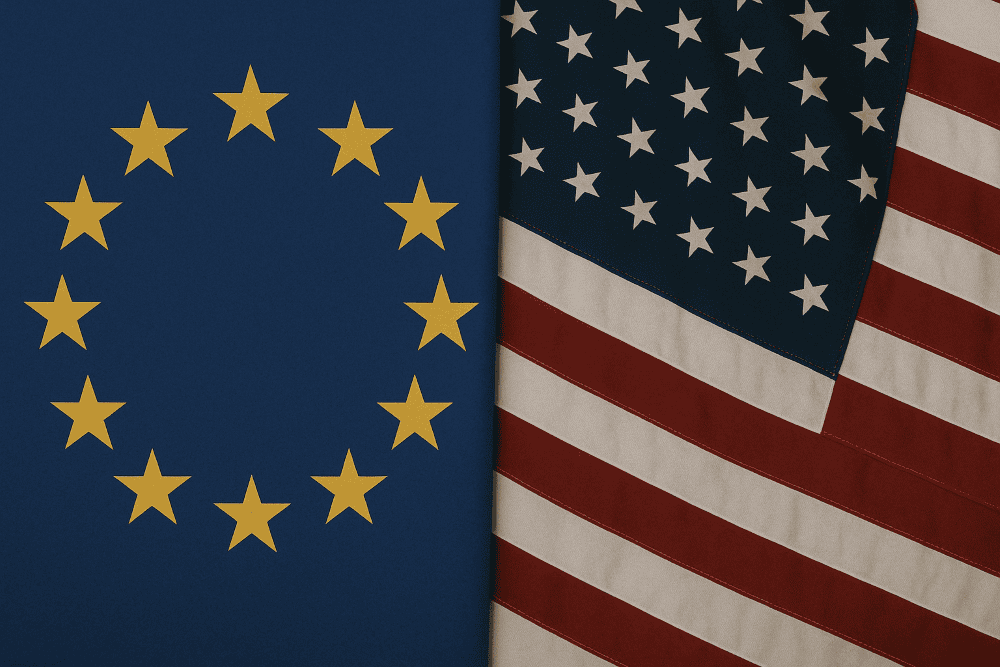
Europe: The “Coalition of the Willing” Card
This is not a single player but a team, holding a combined hand of peacemakers, weapons, logistics, and money. Their primary condition is a ceasefire first. Currently, the Coalition is determining who will do what and when to protect a peace treaty.
What are Europeans willing to do for peace in Ukraine?
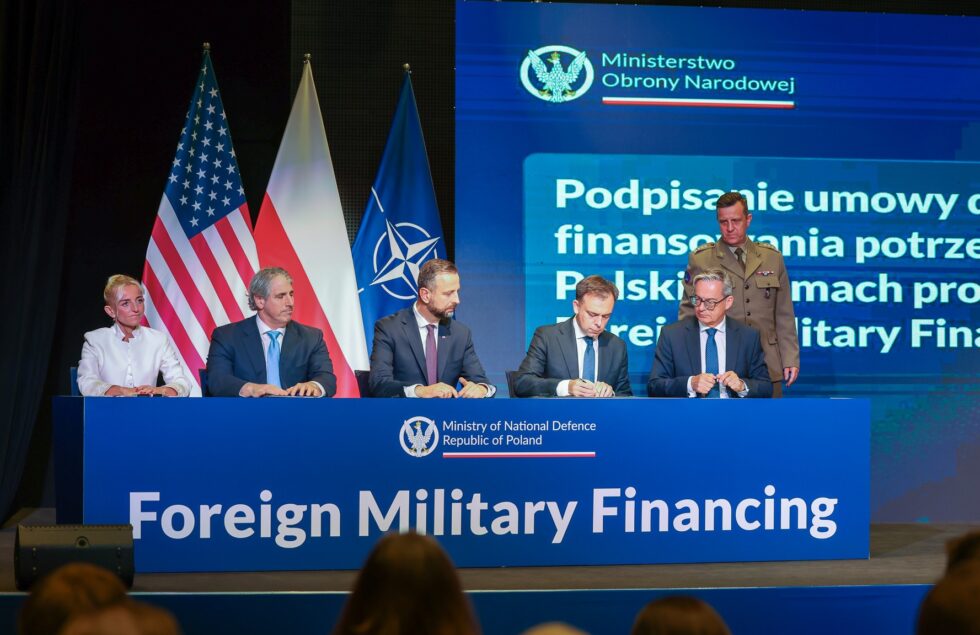
☛ Following the cessation of hostilities between the Russian and Ukrainian armies, some countries (notably France, Great Britain) are ready to send their military personnel to Ukraine as peacekeepers. Other countries (for example, Poland) will assist with logistics, intelligence, weaponry, and so on. In essence, these will be security guarantees analogous to NATO’s Article 5, but based on bilateral agreements.
☛ European countries are also prepared to purchase $100 billion worth of weapons from the U.S. for Ukraine.
☛ Based on comments from NATO head Mark Rutte, the Alliance will assume the role of a logistical and diplomatic military hub.
☛ Statements by European Council President António Costa indicate that the European Union will serve as a civilian hub, handling finances, contracts, sanctions against Russia, and diplomatic negotiations.
USA, Europe, Ukraine: The “Security Architecture for Ukraine” Card
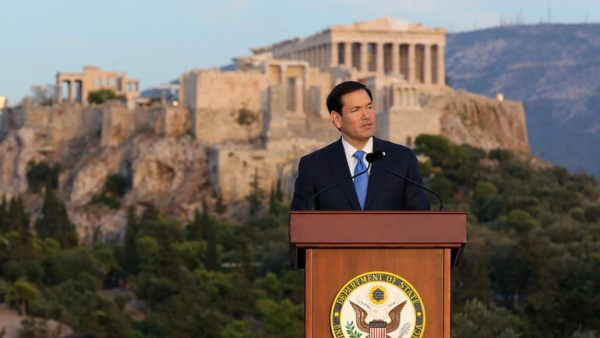
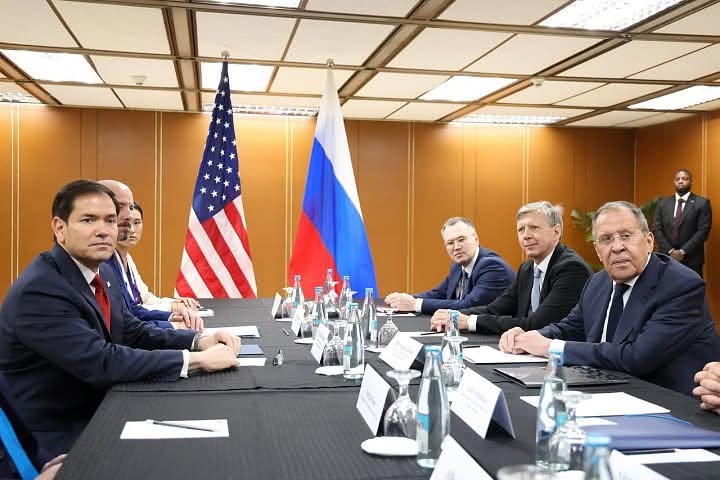
The U.S. and European countries are expected to finalize a preliminary document on the architecture of security guarantees for Ukraine by approximately August 22. Axios, citing two sources familiar with the discussions, reports that Marco Rubio heads the commission, which includes national security advisors from the participating countries. Their main stake: a demonstration of force.
Ukraine: The “Sovereignty” Card
Its strength directly depends on the support of other players. Its main stake is to compel Russia to engage in direct negotiations without surrendering key positions. Zelensky insists on a mutual ceasefire, direct talks with Putin, and finding a mutually acceptable compromise based on logic and common sense.
Russia: The “Status Quo” Card
Russia plays from a position of strength on the ground, but with a weak hand at the diplomatic table. Its primary tactic is to prolong the game and hope for a split among its opponents.
Russia insists on its own terms for a peace agreement, which, in essence, amount to Ukraine’s capitulation. Putin’s proposed concessions are as vague as the reasons for Russia’s attack on Ukraine in 2022.
☛ What might the Kremlin agree to?
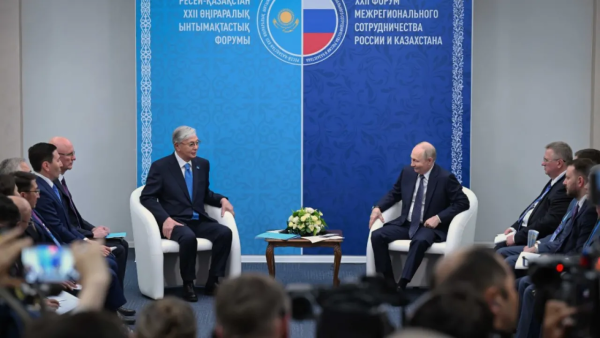
Conducting another meeting with U.S. President Donald Trump, holding a bilateral meeting with a Ukrainian representative at a higher level, and potentially a summit involving Putin-Zelensky, or Trump-Putin-Zelensky.
Grand Tournament Outcomes: Who Held Their Ground?
The Washington summit was not the final deal, but it clearly defined the positions of all players at the table and the rules by which the game will continue. Here are the key outcomes of this phase of the geopolitical tournament.
☛ The U.S. showed a strong hand, but this is a tactical move, not a strategic one. Trump’s statement about Ukraine abandoning Crimea and NATO is a “forced move,” an attempt to sharply narrow the negotiation field and compel everyone to play by his rules. His gamble is an exchange: security for Ukraine without direct U.S. obligations.
☛ Europe assembled its own strong combination. The “Coalition of the Willing” is, in essence, an alternative to NATO through bilateral treaties. Their condition, “ceasefire first,” is not a sign of weakness but a strategic move against Russia and an insurance against premature concessions from Ukraine. They are demonstrating that their deck—troops, money, logistics—is a serious force.
☛ Ukraine received support, but its “Sovereignty” card depends on others’ moves. Zelensky achieved the main goal: consolidated Western support. However, his position has become dependent on the play of his allies. His task now is not to “win” against Russia at the table, but to convince partners to play their strong cards (guarantees, weapons) in his favor. His strength comes from external support.
☛ Russia remains with the weakest diplomatic hand. The Kremlin’s “Status Quo” card is strong only on the battlefield but weak at the negotiating table. Their strategy of “prolonging and dividing” has failed; the West, on the contrary, has consolidated. Vague proposals for meetings are not a readiness for peace but an attempt to reduce the opponent’s stakes and slow down the process until the front situation changes.
Ultimately, there was no winner in Washington, but there is already a loser. Russia’s strategy to divide the West has failed. The game is now being played on two fronts: the battlefield in Ukraine and the negotiating table, where the West is, for the first time, presenting a unified and concrete response plan. The next round, the agreement on the security architecture by August 22, will be the next major gamble.