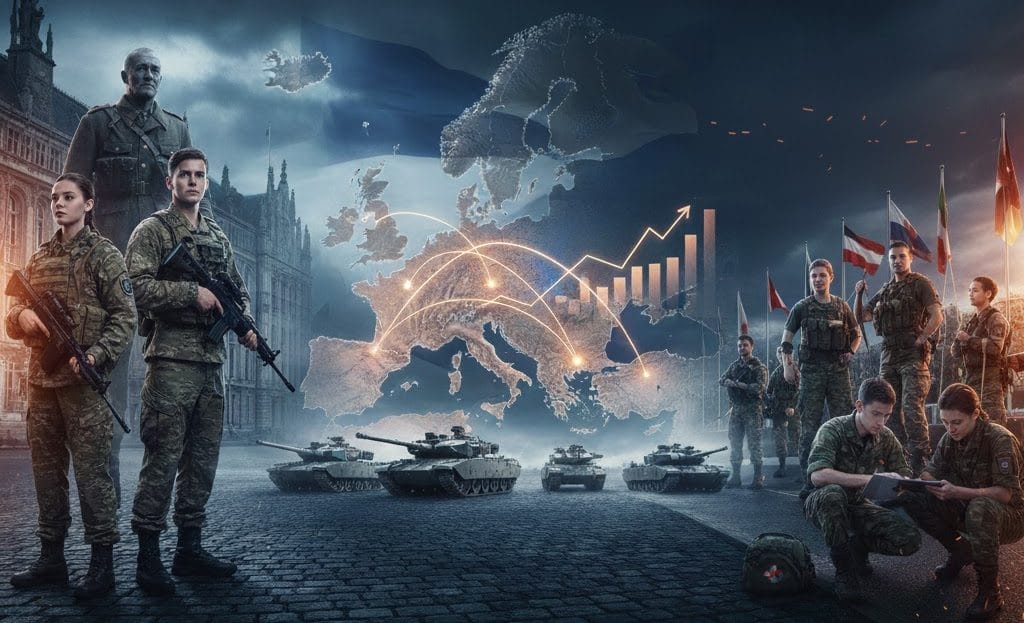
European leaders have firmly rejected any discussion of Russia’s return to the Group of Seven (G7) amidst the ongoing war in Ukraine. The question of Russia’s re-entry, from which it was excluded in 2014, remains a significant point of disagreement between the United States and its European allies.
Europe’s Stance on Russia G7 Return: Unanimous ‘No’
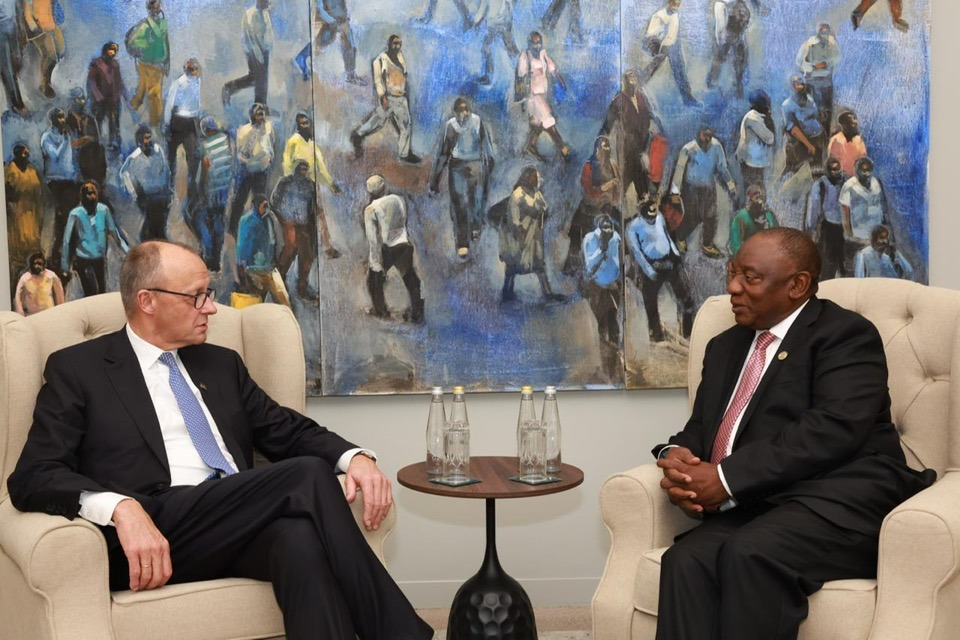
German Chancellor Friedrich Merz unequivocally stated that Russia’s return to the G7 (formerly G8) is impossible due to a lack of consensus. “I do not see that the six current G7 members, unlike the United States, are willing to readmit Russia into this group,” Merz said after the G20 summit in South Africa.
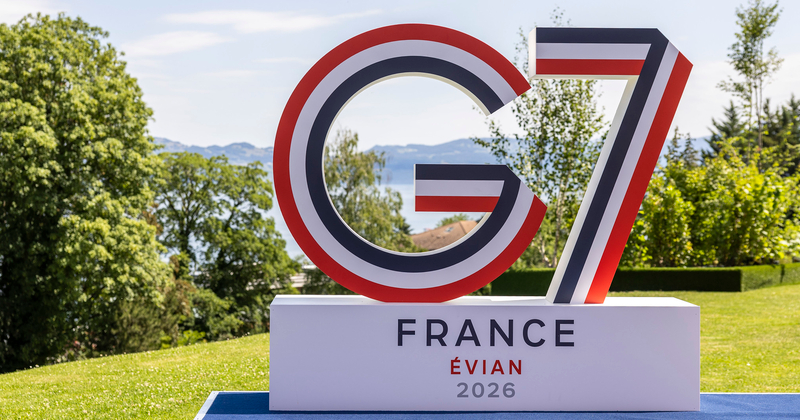
French President Emmanuel Macron previously expressed a similar stance, emphasizing that there are currently no conditions for restoring Russia’s membership, nor is there unanimous support for such a move from the group’s members (the United States, United Kingdom, France, Germany, Italy, Canada, Japan).
The position of European countries and Japan is rooted in Russia’s exclusion in 2014 in response to the annexation of Crimea. They maintain that as long as Russia continues its aggression and does not withdraw from the occupied territories of Ukraine, discussing the restoration of its status is impossible.
Donald Trump’s Voice: Two Perspectives
The primary proponent of Russia’s return is U.S. President Donald Trump. His views sharply diverge from the consensus of European allies.
Trump has repeatedly called Russia’s 2014 exclusion from the G8 a “mistake.” He claimed that had Russia remained a member of the club of leading democracies, it “would not have unleashed a deadly war” in Ukraine.
Trump also asserted that President Vladimir Putin “wants to bring Russia back into the group of the world’s leading economies.”
The European front, represented by Germany and France, has clearly stated that under current conditions, with Russia waging an aggressive war, there is no consensus for its return to the G7. Nevertheless, the idea of inviting Russia back remains a powerful, albeit controversial, card in the hands of the United States. This situation creates a deep transatlantic rift, where Europe’s security is juxtaposed against Trump’s pragmatic, yet risky, diplomacy aimed at engaging Moscow at any cost.