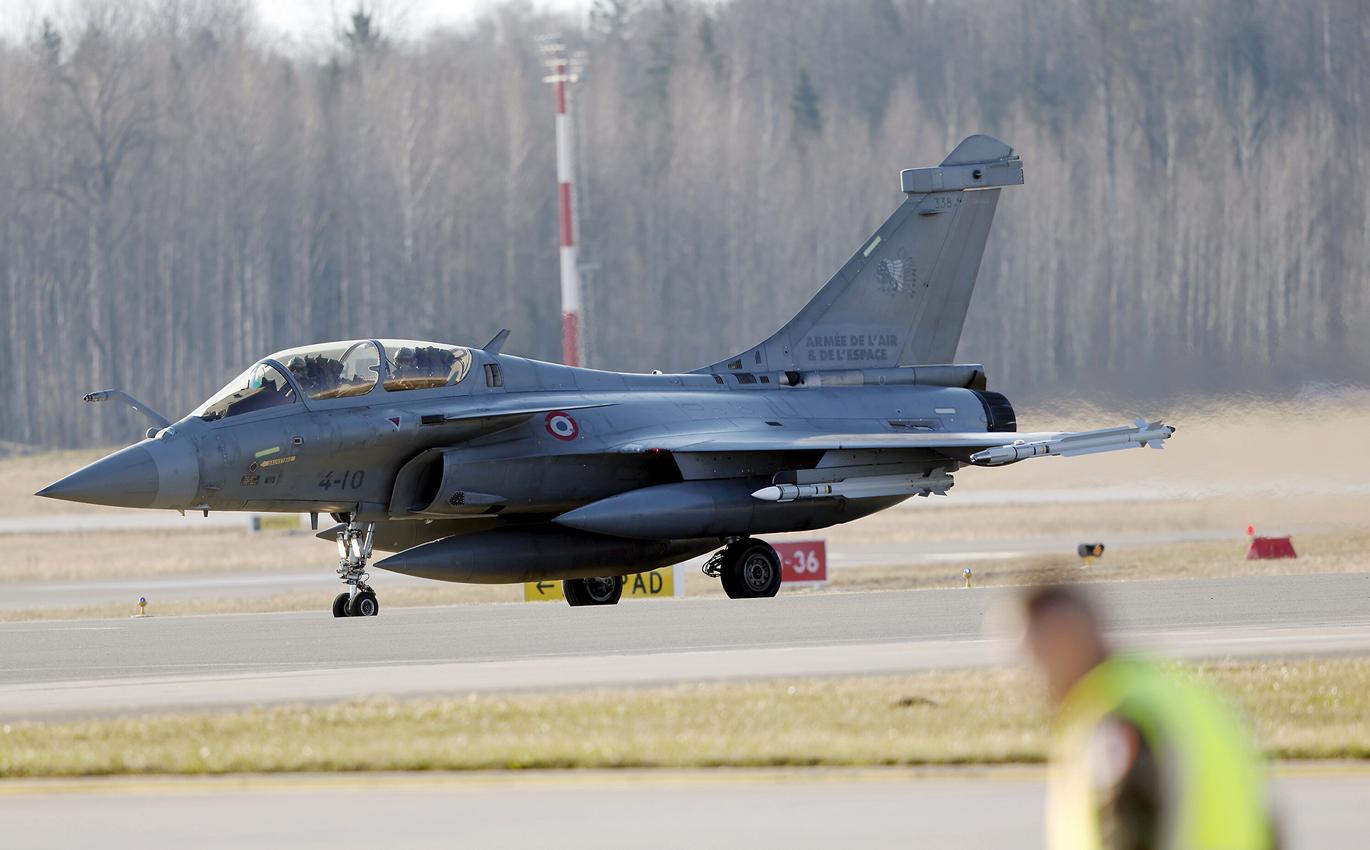
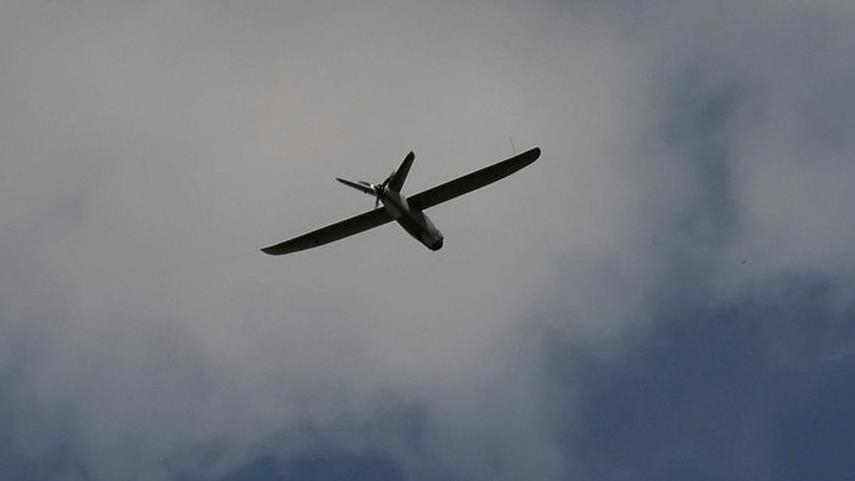
On the morning of May 20, 2026, the capital Vilnius and southern regions faced a maximum “red” Lithuania air alert for the first time in modern history. The emergency measure was triggered by the threat of an unmanned aerial vehicle (UAV) moving in the Merkinė area. The drone flew from Belarus but entered Lithuanian airspace from Latvian territory. Belarusian military officials initially detected the object in their airspace and used a hotline to warn Latvia and Lithuania that the drone was heading their way. Military radars in both Baltic states also detected the signal in the border area. Two NATO Baltic Air Policing fighters were scrambled from the Ämari Air Base in Estonia to intercept, with one deployed to Lithuania and the other to Latvia.
Algorithm Failures and VIP Evacuations
Residents of Vilnius and southern regions received emergency SMS alerts urging them to take shelter immediately, though the city-wide sirens were not activated. Under safety protocols, high-ranking officials, including President Gitanas Nausėda, were evacuated to shelters.
For ordinary citizens, however, the red alert caused logistical problems. Residents shared stories and photos of locked shelters on social media, demanding explanations from the Vilnius municipality and national authorities. Following an emergency meeting of the National Security Commission, Lithuanian Prime Minister Inga Ruginienė acknowledged the logistical failures:
“I sincerely apologize to the residents. We have decided that the public must be informed more frequently. Existing shelters across the country must remain open and accessible 24/7. If we see that the algorithm needs further changes, we will act proactively and as quickly as possible.”
While the government addressed the alert system failures, the incident temporarily disrupted the transport system. Vilnius International Airport halted flights, and train services were partially suspended due to a simultaneous escalation in neighboring Latvia.
Russian EW and the Lithuania Air Alert Response
The alert was fully lifted after an hour. Lithuanian military officials and the National Crisis Management Center reported that the object had disappeared from radar screens. It remains unclear whether the drone crashed in Lithuania or left its airspace.
According to a preliminary analysis by military experts, the object was a Ukrainian drone heading toward Russia that veered off course due to Russian electronic warfare (EW). Lithuanian military specialists warned that such incidents will continue as long as Russia continues its war against Ukraine.
Lithuanian Defense Minister Robertas Kaunas said on Wednesday that NATO allies are in active communication and have offered additional support. He emphasized that Lithuania’s location between Belarus and the Kaliningrad region makes it a primary target for aerial and cyber threats:
“NATO allies are responding very well. I believe that at the upcoming summit in Ankara, this incident will serve as an additional signal to transition Baltic air defense from a policing mission to active combat defense.”
Allies’ Response: From Warnings to Criticism of Kyiv
The morning incident in Lithuania drew immediate reactions from EU and NATO partners, though assessments differed. Poland took the strongest stance regarding Ukraine. At a briefing in Warsaw, Polish Deputy Prime Minister and Minister of National Defense Władysław Kosiniak-Kamysz urged Kyiv to plan its operations more carefully:
“Ukraine must define its military targets much more precisely to avoid creating security threats for alliance members. Such incidents provide pretexts for Russian provocations and are used by Russia for propaganda, conflict escalation, and hybrid warfare.”
Meanwhile, European Union and NATO leaders placed the responsibility for the crisis on Moscow and Minsk. European Commission President Ursula von der Leyen stated that threats against the Baltic states are unacceptable and that Russia and Belarus bear sole responsibility for the risks posed to EU citizens.
NATO Secretary General Mark Rutte dismissed any Russian claims against the Baltic states as absurd, noting that even if the drones are Ukrainian, the root cause remains Russia’s full-scale aggression. Rutte described the scrambling of NATO fighter jets as “calm, decisive, and proportionate.”
Timeline of the Baltic Drone Crisis
NEWSROOM IN notes that the events of May 20, 2026, in Vilnius are part of a series of similar incidents recorded in the region over the last two weeks:
- Estonia: On May 19, 2026, a Romanian F-16 on a NATO mission shot down a Ukrainian strike UAV over Lake Võrtsjärv, marking the first such occurrence in the country’s history. The drone entered from Russia after its navigation system was jammed by Russian electronic warfare. Kyiv formally apologized to Tallinn.
- Latvia: On May 7, 2026, two drones crashed on Latvian territory, with one exploding at an oil depot in Rēzekne. The incident triggered a prolonged political crisis, leading to the resignation of Evika Siliņa’s government. Between May 17 and May 19, 2026, air alerts were repeatedly declared in Latvian border regions, halting train services.
- Lithuania: The latest red alert was preceded by an incident on May 17, 2026, when a military UAV crossed the border and crashed in the Utena district. Alert systems failed to notify the public in time during that incident, prompting Prime Minister Inga Ruginienė to address the issue at today’s National Security Commission meeting.
The Baltic region is currently facing elements of hybrid warfare. Moscow is exploiting the technical fallout of the conflict and the impact of its EW systems on Ukrainian drones to create an artificial casus belli and intimidate European capitals. An emergency meeting of NATO foreign ministers scheduled for May 21, 2026, in Sweden is expected to approve a new protocol: the Alliance intends to destroy any unidentified objects in its airspace without hesitation. The Baltic states no longer plan to make concessions based on whose drone has violated their borders.