Lithuanian Foreign Minister Kęstutis Budrys has issued a sharp warning to Russia regarding threats from the Kaliningrad region, stating that NATO would completely destroy the military exclave in the event of a conflict. Speaking to the Swiss newspaper NZZ, the diplomat said the alliance is prepared to neutralize Russian military assets there.
Neutralizing the Kaliningrad Fortress
Budrys emphasized that Lithuania and its allies must demonstrate their resolve to Moscow by neutralizing the threat of Kaliningrad.
“We must show the Russians that we can breach the little fortress they have built in Kaliningrad. NATO has the means to level Russian air defense and missile bases there if necessary,” the Lithuanian minister said.
The diplomat noted that NATO is the most powerful military alliance in history, with unmatched capabilities. Budrys urged allies not to doubt the validity of Article 5 on collective defense, questioning why an adversary would believe in it if the alliance’s own members do not.
Air Defense Gaps
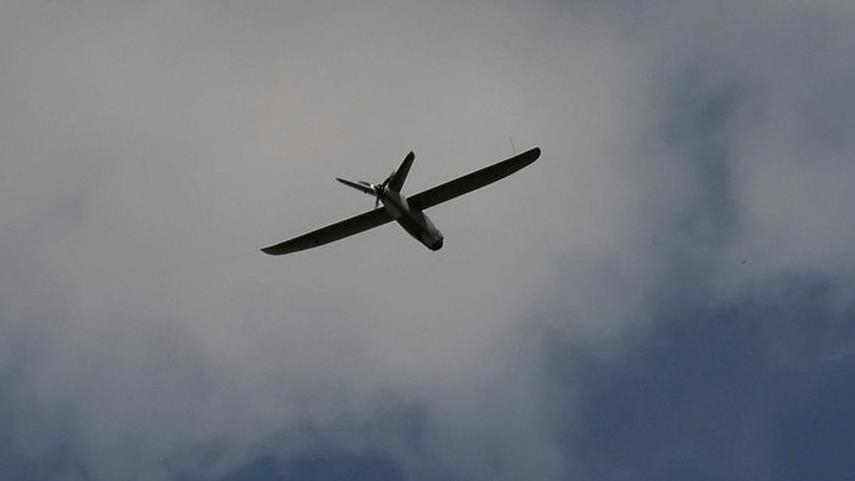
However, the minister also addressed more immediate domestic concerns. Budrys acknowledged that Lithuania cannot currently protect its own airspace from drone incursions.
According to the minister, both Russian and Ukrainian drones enter Lithuanian airspace, with Ukrainian drones usually straying due to electronic warfare. Additionally, Russian military aircraft regularly fly over Lithuania with their transponders turned off.
Budrys said these incidents cause public concern, leading citizens to criticize the government for underinvesting in national defense.
The publication reported that Lithuania has accepted the possibility of a future Russian attack, but Budrys believes recognizing this reality is a source of strength for the country.
Kaliningrad and Baltic Security
Budrys’s remarks on NATO’s power come during a period of debate within the alliance. US President Donald Trump has described NATO as a “paper tiger,” indicating that the US may not defend every European member. Consequently, European capitals have expressed doubt regarding NATO’s unity and the viability of Article 5.