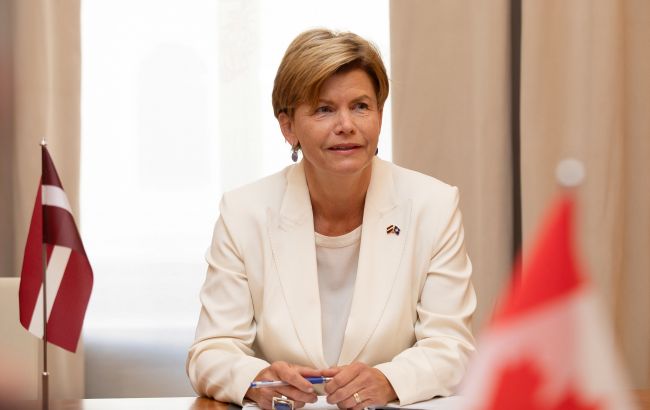
The Latvian government resignation was officially announced by Prime Minister Evika Siliņa on May 14, 2026, signaling the collapse of the three-party ruling coalition, which included Siliņa’s New Unity (Jaunā Vienotība), the Union of Greens and Farmers (Zaļo un Zemnieku savienība), and the Progressives (Progresīvie).
While an incident involving Ukrainian drones in the Latgale region served as the formal catalyst, the cabinet’s fall followed a deep systemic crisis. The government had accumulated a critical mass of internal conflicts, and the drone incident provided the final blow to the fragile administration.
Drones in Rēzekne and the search for a “scapegoat”

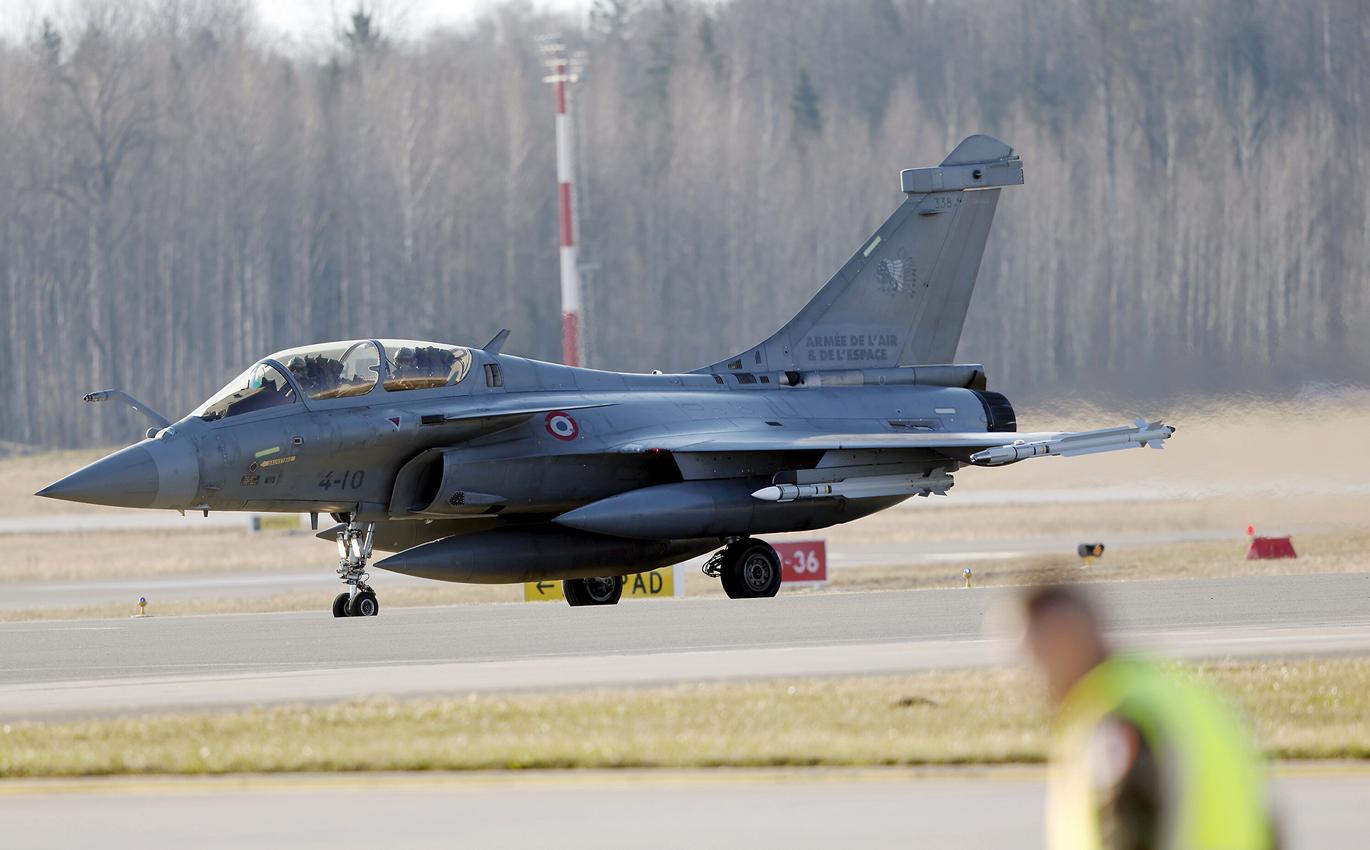
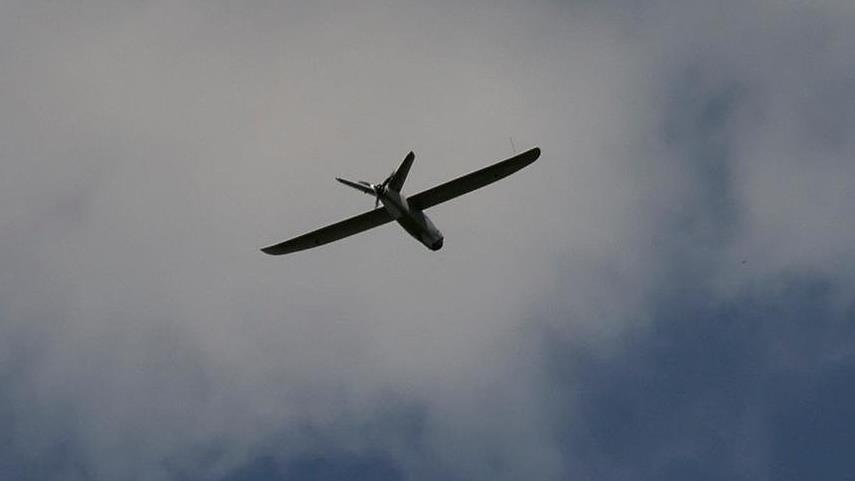
The final crisis began on May 7–8, when unmanned aerial vehicles violated Latvian airspace and crashed near Rēzekne. Despite Latvia allocating a record 5% of its GDP to defense, National Armed Forces (NBS) radars failed to detect the threat in time.
Siliņa immediately blamed Defense Minister Andris Sprūds, citing a loss of trust. Sprūds and his party, the Progressives, called the move a cynical attempt to use the minister as a “scapegoat” for systemic air defense failures. During a press conference, Sprūds accused the Prime Minister of lying, stating he learned of his dismissal through social media. He added that the drones were “clearly Ukrainian,” contradicting Siliņa’s attempts to immediately blame Russia for the incident. The Progressives subsequently withdrew from the coalition, leaving the Prime Minister without a majority.
Economic “black holes”: airBaltic and Rail Baltica
In addition to the military scandal, the government faced pressure from two major infrastructure failures:
- AirBaltic: The national carrier has become a significant drain on the state budget. Losses reached 70 million euros in the first quarter of 2026. Siliņa’s decision to provide a 30 million euro unsecured “bridge loan” sparked intense debate; 58% of Latvians opposed further funding for the airline, which is on the verge of bankruptcy. Siliņa previously stated that supporting the airline was more important than coalition stability. “If the price for supporting airBaltic is the collapse of the coalition, I am ready for it,” she said.
- Rail Baltica: The mega-project intended to connect Warsaw to Tallinn via Kaunas and Riga is in a financial coma. The budget deficit for the Latvian section of the track is 3–4 billion euros, with the total cost soaring to 9.6 billion euros. The Latvian portion was originally estimated at 1.27 billion euros. Instead of high-speed rail, the country has several mothballed construction sites in Riga, with the projected launch delayed until 2040.
Corruption allegations and Eurostat data
The cabinet’s reputation was further damaged when the anti-corruption bureau (KNAB) detained Agriculture Minister Armands Krauze on suspicion of state subsidy fraud on May 14, the same day as the resignation.
Against this backdrop, Eurostat data released on May 13, 2026, highlighted the government’s economic challenges. While the eurozone stagnated, Latvia faced 3.0% inflation and a decline in industrial optimism. According to SKDS polls, approval ratings for New Unity and the Progressives fell to 5.9% and 6.9%, respectively.
Latvian government resignation: Chaos before elections
Evika Siliņa described her resignation as a “difficult but honest” decision as coalition partners engaged in open conflict. The drone incident in Latgale exposed a lack of readiness and fatal divisions within the leadership. The country’s future now rests with President Edgars Rinkēvičs, who must find a replacement for the fallen cabinet amid a severe deficit of public trust.