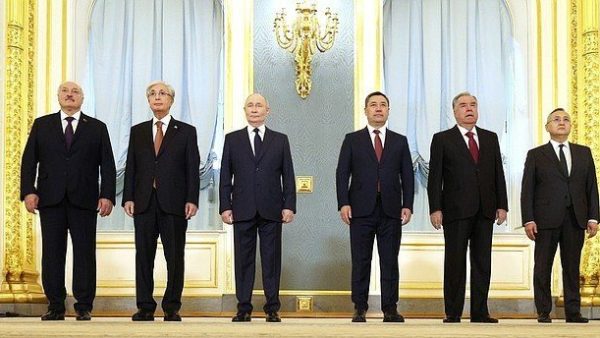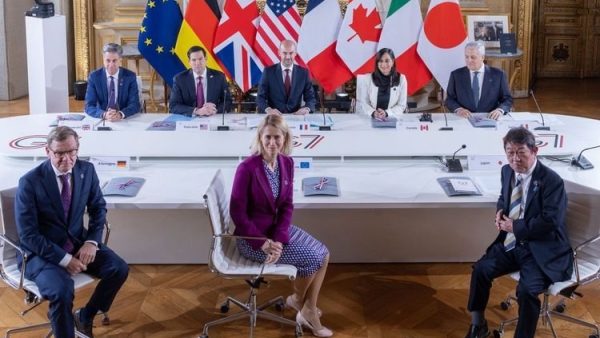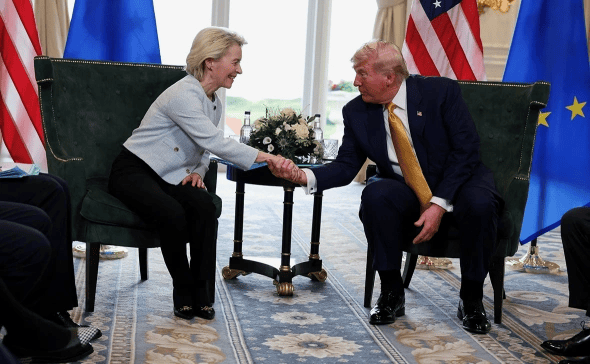
A political comedy of errors over a budget worth hundreds of billions of euros is unfolding in the EU. On November 9, German Chancellor Friedrich Merz sent an ultimatum in a letter to European Council President António Costa, threatening an EU budget veto against the adoption of the bloc’s seven-year budget for 2028–2034. The demand is simple: either all member states contribute jointly to cover Ukraine’s budget deficit in 2027, or the entire bloc goes without strategic funding.
Berlin’s ultimatum prompted a swift backlash from Slovak Prime Minister Robert Fico. He called the Chancellor’s actions “blackmail” and promptly vowed to impose his own veto on the EU budget if Merz attempts to force through the Ukrainian aid package. Leaders from the Czech Republic, Hungary, and Bulgaria immediately backed the Slovak demarche.
How EU Budget Veto Crisis Began: The Deficit and Plan A
In October, Ukrainian President Volodymyr Zelenskyy outlined the scale of the financial shortfall for 2027 to Western allies, asking them to close a €70 billion deficit. The European Commission predictably promised to assist by covering two-thirds of that amount—around €45 billion—through new joint borrowing.
That was where Berlin lost patience. During negotiations for the previous aid package in 2025, Hungary, Slovakia, and the Czech Republic successfully secured an opt-out, refusing to contribute funds. Bulgaria has now joined them. If the European Commission once again structures the €45 billion through a mechanism allowing individual countries to opt out, Germany and several northern European nations will again have to foot the bill and provide financial guarantees. Merz therefore decided to preempt the situation, strictly tying approval of the new loan to the adoption of the entire 2028–2034 EU budget, from which the holdout nations continue to receive billions in farm subsidies from common EU funds.
Adding fuel to the fire was last year’s collapse of Merz’s own initiative to direct €200 billion in confiscated Russian assets to Kyiv. That plan foundered on resistance from Belgium, forcing the European Commission to tap national budgets once again.
The Baltic states and Denmark pointed out that, as a share of GDP, they contribute far more to Ukraine than Germany does, even though Berlin leads in absolute numbers at €31 billion. The fate of European finances will now be addressed at an informal summit in Dublin on November 12–13, with a decisive outcome expected at a dedicated budget summit on November 26–27.
Refresher: Brussels’ Curious Math
NEWSROOM IN notes: while a figure of €155 billion frequently circulates in public discussions, that represents the total estimate of Kyiv’s military expenditures for 2027. Ukraine asked the EU to cover a €70 billion deficit. Under an unwritten rule, the European Union covers two-thirds of that sum—the disputed €45 billion. The rest must be provided by other international donors. If Fico and Merz carry out their mutual veto threats at the upcoming summit, the EU risks entering 2028 facing not only an uncovered Ukrainian budget deficit, but also a freeze on its own development funds.