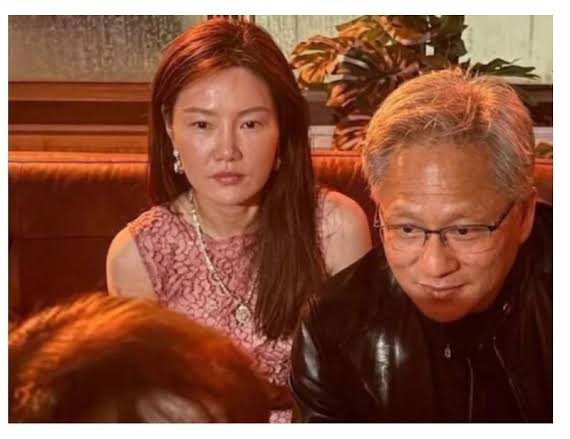
A scandal involving Nvidia CEO Jensen Huang, head of the world’s most valuable company, threatens to overshadow every other major story this year, including daily statements from U.S. President Donald Trump. The controversy involves marital infidelity, espionage allegations, and the potential compromise of critical technologies.
Nvidia is the undisputed global leader in developing artificial intelligence chips. These technologies face strict U.S. export controls as Washington works to keep advanced semiconductors out of China and maintain its lead in the AI race.
Intelligence Warnings
The controversy emerged in late October 2026 when The New York Times published an investigation reporting that U.S. intelligence agencies suspect Alice Huang, the head of Singapore-based company Megaspeed (who shares Jensen Huang’s surname), of spying for Beijing and circumventing U.S. export sanctions. The newspaper also reported that intelligence agencies had documented her “close personal relationship” with Jensen Huang.
Nvidia responded that Huang’s meetings with Alice were strictly professional, adding that the chief executive had received no official warnings from intelligence officials regarding any threats.
Jensen Huang Letter of Admission
On November 8, 2026, the situation shifted. After major financial outlets, including The New York Times, The Wall Street Journal, and Financial Times, prepared further reporting, Jensen Huang sent an internal memo to employees. In the letter, he took “full responsibility” for his conduct, admitted to infidelity, and apologized to his family and colleagues. Huang did not name the woman in the text or address allegations regarding her ties to the Chinese government. “I love our country and our company. I am committed to protecting Nvidia and supporting American national security,” the CEO wrote.
The New York Times reported, citing sources, that Alice Huang was allegedly recruited by China’s Ministry of State Security. Chinese Foreign Ministry spokesperson Guo Jiakun rejected the claims, calling them “nothing more than slander against China.”
Corporate Investigation
Immediately following Huang’s admission, Nvidia’s board of directors announced an independent internal investigation. The board stated that there is currently “no reason to believe” that U.S. national security or corporate trade secrets have been compromised. Huang stated he fully supports the inquiry and pledged his complete cooperation.
Chris Weston, head of research at Pepperstone, told Reuters he does not expect Huang to step down. Calling Huang the “godfather of AI,” Weston said any removal could trigger a steep fall in the company’s shares. At present, Jensen Huang has no designated successor.
White House Reaction
Asked by reporters whether his administration should have acted sooner on the intelligence, U.S. President Donald Trump defended the CEO: “I think he’s a fine guy. I think he probably has an explanation for it. He’s done an amazing job for our country.”
Market Reaction: Stock Plunges
The scandal and the internal probe triggered an immediate sell-off among investors. According to Bloomberg, Nvidia shares tumbled more than 6% in premarket trading on November 9, falling to $176.26.
NEWSROOM IN notes that the company’s stock had already faced pressure from broader technology sector volatility, linked in part to the U.S. midterm elections. Since reaching a record high of $239.20 per share on October 6, the company’s shares have lost roughly 10.67% over the past week.