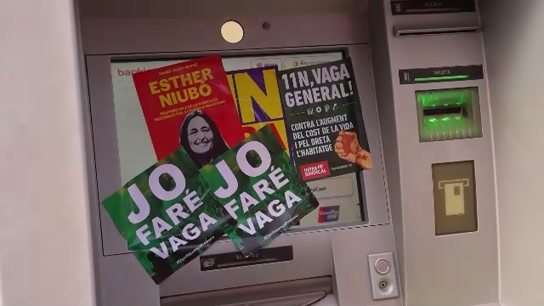
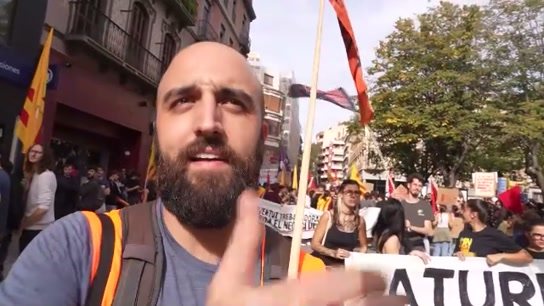
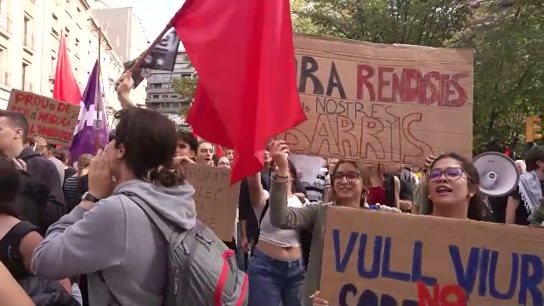
A historic Spain general strike, the country’s first 24-hour walkout in 14 years, saw protesters block roads and shut down car manufacturing plants over soaring housing rents. The widespread disruption led directly to the collapse of the cabinet and an emergency call for snap elections on November 29.
Spain General Strike: Markets Blockaded and Factories Halted
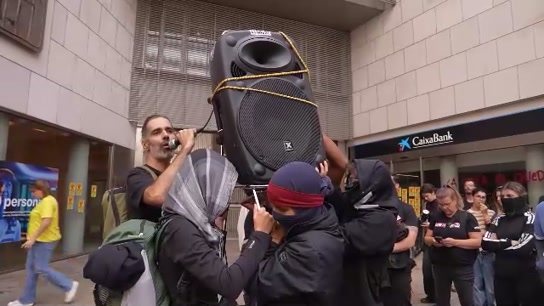
The country’s two largest labor confederations, CCOO and UGT, brought major economic sectors to a standstill. Ninety percent of workers walked off the job in automotive manufacturing and ports, along with 85% in meat processing and 82% in waste collection. Madrid and Barcelona were hit by widespread transport disruptions as bus depots were blockaded, the capital’s Gran Vía was closed, and Lufthansa preemptively began canceling flights.
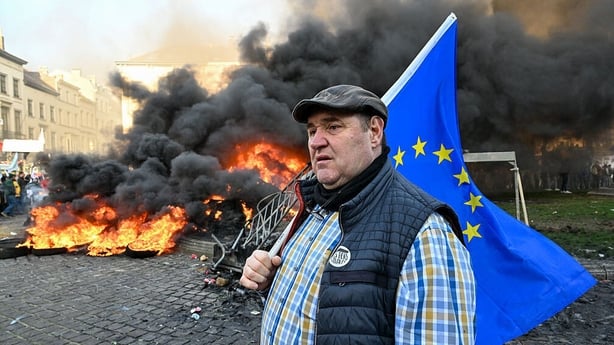
Pickets clashed with National Police officers at the gates of Mercamadrid, the capital’s central wholesale market. Demonstrators burned tires, and police responded with pepper spray. Following the clashes, 13 people sought medical treatment. Nationwide, 20 participants were injured and 27 activists were arrested.
Pensioner’s Tragedy and Business Without a Magic Wand
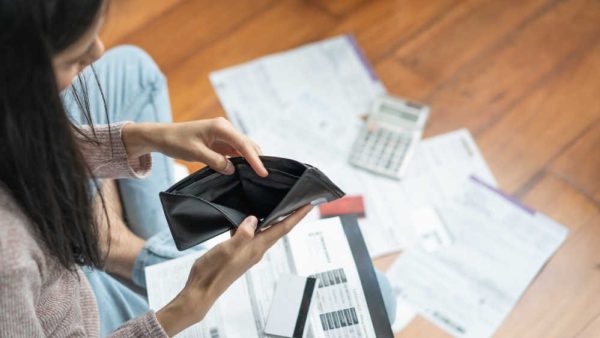
The strike took place under the slogan: “Wages. Housing. Prices.” Over the past decade, average apartment rents across Spain have doubled, pricing young adults out of independent living. Public anger intensified following the death of 87-year-old Maricarmen Abascal. The wheelchair-bound woman was publicly evicted from the apartment her family had leased for seven decades and died in the hospital shortly afterward, becoming a national focal point in debates over the real estate market.
Demonstrators are demanding a ban on short-term tourist apartments and binding state rent controls. Business groups expressed strong skepticism toward the strike. The vice president of the Spanish Confederation of Business Organizations (CEOE) stated that general strikes should address strictly labor disputes, noting that employers are equally burdened by high rents but have no “magic wand” to resolve macroeconomic imbalances. Meanwhile, some government officials sided with the protesters: Minister of Social Rights Pablo Bustinduy publicly called on citizens to join the strike against his own government’s policies.
Reminder: Parliamentary Capitulation
NEWSROOM IN notes that the cabinet had previously attempted to introduce emergency limits on evictions to ease unrest. Right-wing parties in parliament blocked the legislation, arguing it would push rental housing into the shadow economy. In response to mounting protests and tent encampments, Prime Minister Pedro Sánchez conceded, moving general elections initially scheduled for 2027 forward to late November.