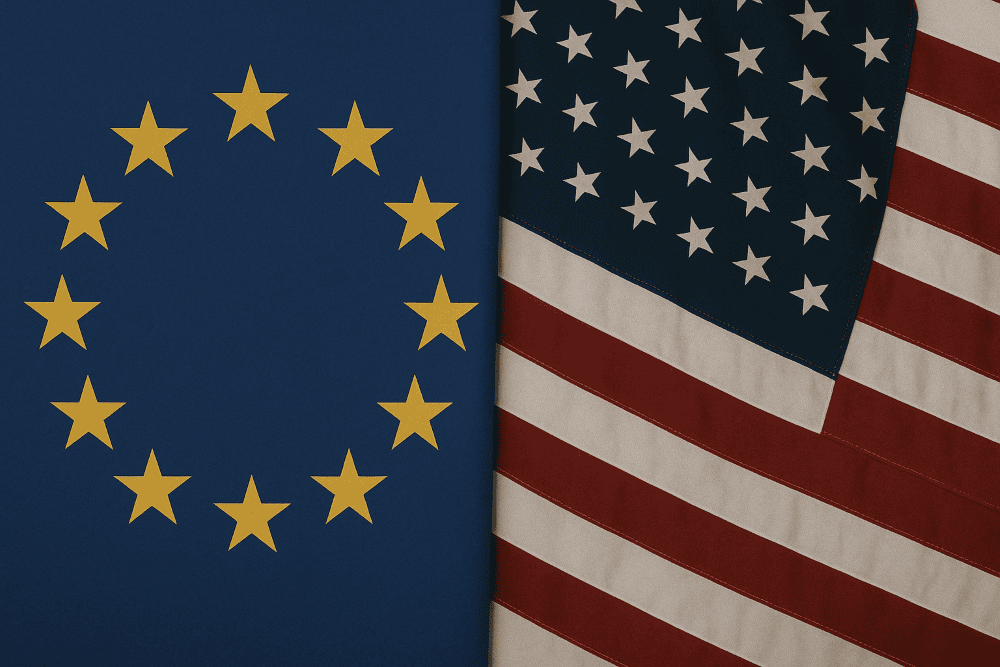
Finnish President Alexander Stubb has publicly declared the end of Western hegemony, warning that the decades-long era of U.S. and European dominance on the global stage is rapidly fading into history. Speaking at the major international Raisina Dialogue forum in India, Stubb voiced a reality that many Western leaders still prefer to discuss only behind closed doors: the era of the West dictating global rules has concluded.
NEWSROOM IN has analyzed the Finnish leader’s geopolitical reality vision, the systemic errors that led the Western model into crisis, and how these global shifts will ultimately impact everyday life.
Alexander Stubb’s Vision: The End of Western Hegemony
Translating the Finnish president’s diplomatic language into plain terms, his assessment of the situation centers on several key pillars:
- The West must step down. Europe and the U.S. no longer hold a monopoly on power. The future of the global economy and demographics now lies in the hands of the Global South, including India, China, Brazil, and other emerging economies.
- No one wants to be lectured. The era when the West acted as a stern teacher lecturing other nations on democracy is gone for good. It is time to learn how to negotiate as equals.
- Pragmatism over idealism. Reality cannot be ignored simply because it is unpalatable. The West must cooperate even with countries whose values it does not share, or risk falling into political and economic isolation.
Who Is Responsible for the West’s Decline?
Perhaps most strikingly, the foundation of Western power was not dismantled by external enemies or global catastrophes. Instead, the West effectively shot itself in the foot.
Historically, Europe and the United States achieved prosperity through free markets, private property, and a culture of achievement: those who worked harder and innovated more successfully won. Over time, however, this system broke down as politicians found it easier to secure votes by promising “universal welfare.”
Consequently, classical capitalism was replaced by a massive bureaucratic machine. States began taking more money from efficient workers to support those who were uncompetitive. Instead of free competition, officials now decide which businesses receive subsidies and which receive fines. As economies became entangled in bureaucracy, innovation slowed, and reliance on cheap goods from Asia reached a critical level.
What Will Change in the Near Future?
Recognizing that the world is shifting beneath its feet, Europe has entered a state of urgency. The European Commission is now rapidly rewriting the rules of the game. While the focus was once on the benefits of free international trade, the EU is now building an economic fortress around itself.
New regulations, such as the “Competitiveness Compass” and the “Net-Zero Industry Act” slated for 2025–2026, focus on hard protectionism. Government contracts and multi-billion dollar subsidies will now be reserved for “local” corporations to artificially cultivate national champions capable of competing with the U.S. and China. Cheap imports will be aggressively pushed out through protective tariffs and complex regulatory hurdles.
What Does This Mean for You?
Even for those uninterested in geopolitics, this new world order will inevitably impact daily life. Here is what to expect:
- Higher costs for everything. Free trade allowed goods to be produced where it was cheapest and shipped globally. Now, the world is fracturing into blocs. Protecting domestic manufacturers from competition means consumers will pay for their inefficiency. Prices for electronics, vehicles, and everyday goods will rise.
- Inflation and taxes. Trade wars and massive business subsidies require enormous capital. Governments will likely resort to printing more money or increasing both direct and hidden taxes.
- Less choice and more barriers. The world is becoming fragmented. Your access to technologies, services, and goods will depend on which political bloc your country belongs to. Digital and trade barriers will become the norm. The success of international companies will rely less on product quality and more on access to state subsidies and loyalty to a specific political bloc.
How Should the Average Citizen Adapt?
In a world where states prioritize protectionism and central management, survival strategies must shift:
- Diversify assets. Avoid keeping all savings in a single currency or jurisdiction. As the world fragments, what works in one bloc may be blocked or devalued in another.
- Reduced reliance on the state. The era of expansive social guarantees is drawing to a close, as budgets will struggle to keep up with trade conflicts and military spending.
- Invest in unique skills. In a climate of intense global competition, value will be found in specialists who can solve complex, non-standard problems that cannot be easily replicated or automated.