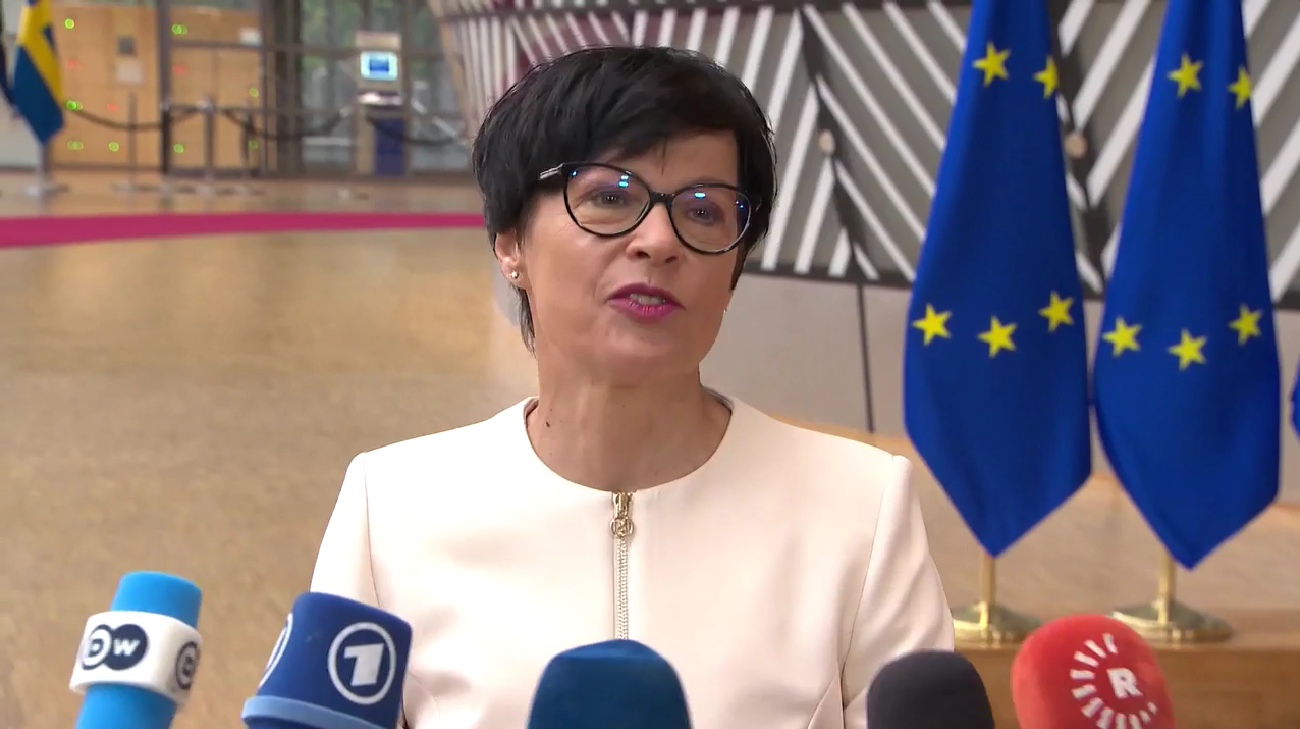
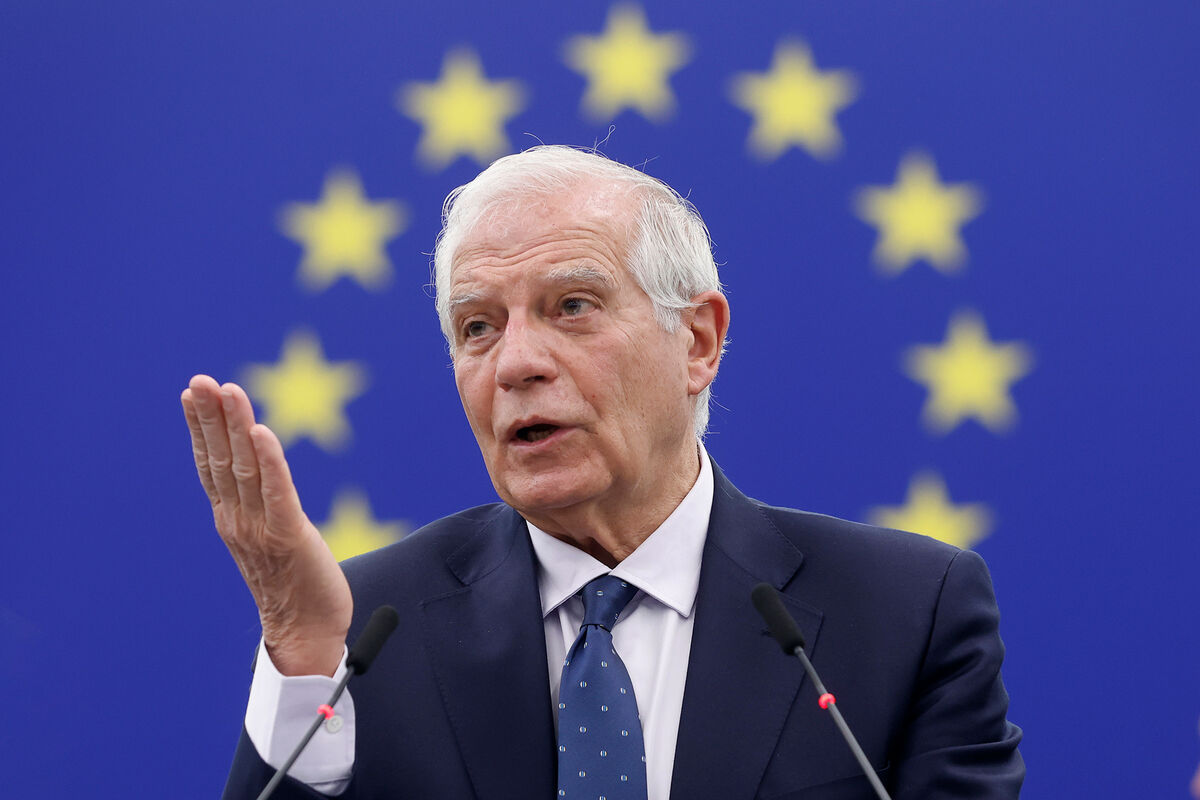
European Commission President Ursula von der Leyen delivered a major address to the European Parliament, detailing the new path for European defense and self-reliance. She stressed that Europe now lives in a world of “predators” and wars, where self-reliance is the only option, signaling the need for robust security strategy.
NEWSROOM IN highlights five key takeaways from this speech that will affect every European citizen.
1. The End of the Old World Order
The days when Europe could peacefully enjoy stability are over, and nostalgia is misplaced. Europe now operates in a dangerous reality where survival depends only on being a strong, independent player capable of self-defense.
By speaking of the “end of the old world order,” the European Commission President refers to the collapse of the post-Cold War system, an era defined by Western dominance and guaranteed security through international rules. According to her, this era was destroyed by three key factors:
☛ The West’s loss of economic hegemony. The old order rested on the strength of Europe and the US, but the global economic center of gravity has shifted. Since 1990, Europe’s share of global GDP has dropped from 25% to 14%, and the US share has fallen from 22% to 14%. Conversely, China’s share has soared from 4% to 20%. This is the new reality where the West no longer dictates terms unilaterally.
☛ The world has become a “world of predators.” The time when countries respected laws and borders is over. This has been replaced by a “transactional” world (a tit-for-tat dynamic) where the right of force supersedes international law. Russia’s invasion of Ukraine was the final signal that old security guarantees no longer function.The shift in US priorities. Washington is increasingly focusing on confrontation with China. Europe can no longer assume that America will eternally “have its back” and solve its problems.
2. Energy Freedom (We Achieved It)
Not long ago, it seemed impossible to give up Russian energy resources. Many were skeptical. However, the figures prove otherwise—Europe is rapidly achieving energy independence.
Here is the statistical breakdown of the drop in imports from Russia since the start of the war until today:
☛ Coal: 51% down to 0%.
☛ Oil: 26% down to 2%.
☛ Gas (piped and LNG): 45% down to 13%.
Von der Leyen explicitly stated that the EU’s goal is the complete exclusion of Russian fossil fuels from the European energy sector.
3. Defense: “If You Want Peace, Prepare for War”
Europe can no longer shift the responsibility for its security onto others. The main thesis of the EC President is that we must be capable of defending ourselves.
She highlighted the beginning of a large-scale transformation of the defense industry, noting the need to produce weapons faster and in greater quantities. According to her, Europe previously spent €8 billion over 10 years, but now plans to secure investments totaling €800 billion in just a few years (by 2030). This represents a 100-fold acceleration in the pace and volume of funding.
4. Support for Ukraine and Russian Funds
Europe’s security is directly linked to Ukraine. According to IMF estimates, Ukraine will need approximately €137 billion between 2026 and 2027. Europe plans to cover two-thirds of this amount—€90 billion.
A firm decision has been made regarding Russian assets in the EU: they will remain frozen until the war ends and Russia pays reparations for the damage caused. The signal is clear: the aggressor must pay for the destruction.
5. What Is the Goal of All These Efforts and Expenses?
At the conclusion of her speech, the EC President explained the purpose of all these efforts and expenditures. It is for the freedom to write our own laws, choose our partners, and live as we wish—preserving our culture, democracy, and diversity without succumbing to external pressure.
This final point raises many questions: Did someone previously write laws for Europeans, impose partners from abroad, or pressure European culture, democracy, and diversity? It is unclear what she intended to convey.
Investing in European defense: The Strategic Outlook
Within the context of the entire speech, the European Commission President most likely meant that formal independence (having a flag and an anthem) does not equal factual independence.
As long as Europe was critically dependent on foreign gas, foreign weaponry, or vulnerable to foreign propaganda, its “souvereignty” was an illusion. Now, she argues, Europe is reclaiming genuine control over its destiny.