The EU has been drawn into a sharp dispute over the fate of €185 billion in Frozen Russian assets. Brussels aims to use these funds to provide Ukraine with a major reconstruction loan, but disagreements with Belgium, where the bulk of the assets are held, have created a serious deadlock. Despite the heated debate, EU leaders are currently discussing emergency funding options to buy time and overcome the opposition of Belgian Prime Minister Bart De Wever.
Fear of Legal Repercussions
Belgian Prime Minister Bart De Wever sent a strongly worded letter to European Commission President Ursula von der Leyen, labeling the plan for a “reparation loan” as “fundamentally wrong” and “dangerous” due to the legal risks involved.
The main arguments presented by Belgium—where the financial services company Euroclear holds the majority of the assets—are as follows:
☛ Risk to Taxpayers: If Russia is not declared the losing party and is granted the right to reclaim its assets, European taxpayers would have to foot the bill for the loan. Belgium refuses to shoulder this responsibility alone.
☛ Demand for Guarantees: Brussels insists on receiving “legally binding, unconditional, and collective guarantees” from the EU that must cover the entire €185 billion and potential litigation costs.
The Belgian Prime Minister also demands full coverage for Euroclear assets held in “Russia-friendly jurisdictions,” which could become targets for retaliatory measures by the Kremlin.
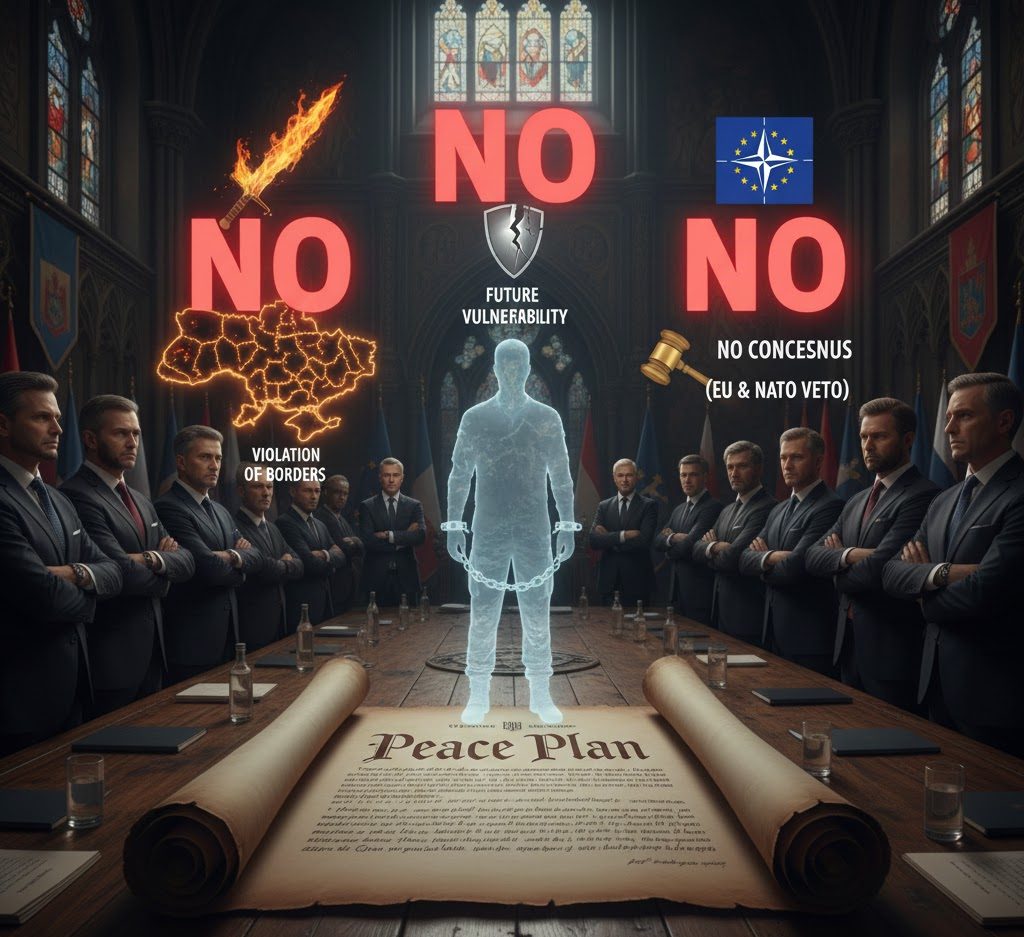
☛ Conflict of Goals and Fear of Upsetting the US: De Wever warned that this move “could lead us, as the EU, to effectively impede the achievement of a peace agreement” being advanced by the White House.
He emphasized that the assets cannot be utilized for multiple purposes simultaneously: “We are unlikely to be able to use Russian sovereign assets for several purposes at once. They will either be immobilized to finance Ukraine’s reconstruction, or they will be spent now to fund military operations or Ukraine’s core budget.”
Belgium’s concerns are tied not only to the risk of a lawsuit from Russia (which may deem the action theft) but also to the risk of political pressure or countermeasures from the US for disrupting its broader geopolitical plan.
This refers to the initial, controversial “28-point peace plan” developed by the US and Russia, which included a model suggesting the use of Russian assets for the commercial interests of Washington and Moscow.
Profits and Suspicions
While Belgium officially cites legal risks, diplomats from other EU countries are advancing a different, less diplomatic theory, according to Politico: financial self-interest.
Diplomats suspect that Belgium, as the custodian of the assets, is pursuing a secondary goal: the windfall tax (25% of the profit) generated by these assets flows directly into the national budget. These revenues are estimated at approximately €1 billion per year. Furthermore, Belgium is being accused of failing to fully disclose where these tax revenues are ultimately allocated.
Proponents of the plan argue that by demanding virtually unattainable guarantees, Belgium is intentionally creating a negotiation deadlock to keep the assets within its territory and continue collecting revenue from them.
Arguments of Supporters: Russia Must Pay
The European Commission and countries like Germany are insisting on the immediate adoption of the plan, viewing Russian assets as the only powerful leverage and viable source of funding.
They advance arguments based on moral necessity, the protection of European taxpayers, and political urgency, as Ukraine requires solid financial support starting in the second quarter of 2026.
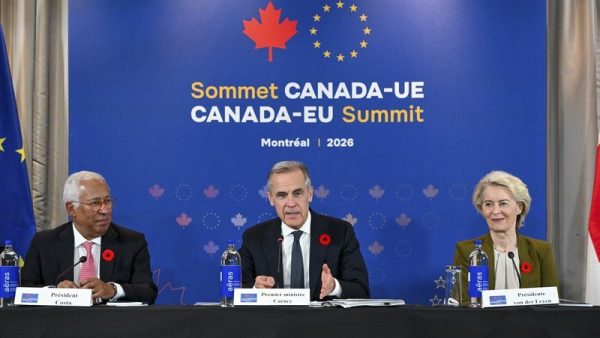
EC President Ursula von der Leyen framed her proposal through a moral lens, aiming “to make Russia pay” for the damage inflicted on Ukraine. Proponents of the plan are confident that using the Frozen Russian assets will protect European taxpayers from having to foot the bill for Ukraine’s reconstruction.
NEWSROOM IN notes that the decision regarding Frozen Russian assets will be made this December at the European Council summit. Polish Prime Prime Minister Donald Tusk explained at a press briefing on November 24: “Belgium fears that it will bear the entire responsibility. Therefore, we are trying to convince our Belgian friends that we are ready to build a mechanism of shared, pan-European responsibility. Of course, as always, Viktor Orban is against this, just as he is against all decisions concerning Ukraine.”
According to Tusk, “Ukraine will not win this war or defend itself against Russia without financial support,” and “alternative sources of funding are few.”