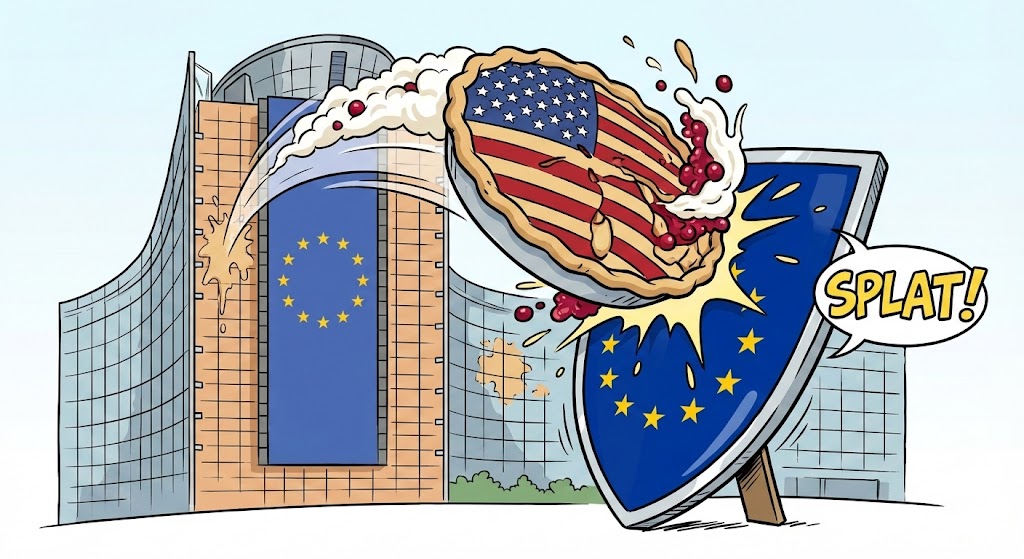
The United States is discontinuing its “Section 333” military cooperation program for all European countries, including the Baltic States. American media outlets, citing their sources, were the first to report on this Pentagon decision. Specifically, the Financial Times noted that the move had “stunned” allies. However, comments from Lithuania’s Ministry of National Defense and Ministry of Foreign Affairs suggest that the program’s termination will not affect cooperation through other channels, such as the presence of U.S. troops in Europe.
Section 333 Program Overview and Scope
The “Section 333” program was initiated by the Pentagon to train and equip the armed forces of allied nations worldwide. From 2018 to 2022, the U.S. spent $1.6 billion supporting European partners under this program, accounting for approximately 29% of all global expenditures. While Congress had approved funding until September 2026, the White House will not request new appropriations, effectively leading to the program’s termination.
Lithuania’s Response to Section 333 End
Lithuanian officials, including Vaidotas Urbelis, Director of Defense Policy at the Ministry of National Defense (KAM), and Deputy Minister of Foreign Affairs Audra Plepyte, confirmed that although no official letter has been received, the Pentagon has informed other European countries about the cessation of “Section 333” funding starting from the next fiscal year. “This line of funding was specifically designed for Lithuania to purchase American goods, training courses, and other equipment,” Urbelis explained.
Urbelis further clarified that Lithuania receives support from the U.S. not only through “Section 333” but also via other channels. He believes that the termination of this particular aid is unrelated to the program concerning the presence of U.S. military personnel in Lithuania, which “is financed through a completely different line.”
It is important to note that the Foreign Military Financing program, which aims to fund the purchase of American weaponry, is not being closed. This may indicate a shift in the U.S. aid format, moving from direct equipping to financing procurement.